
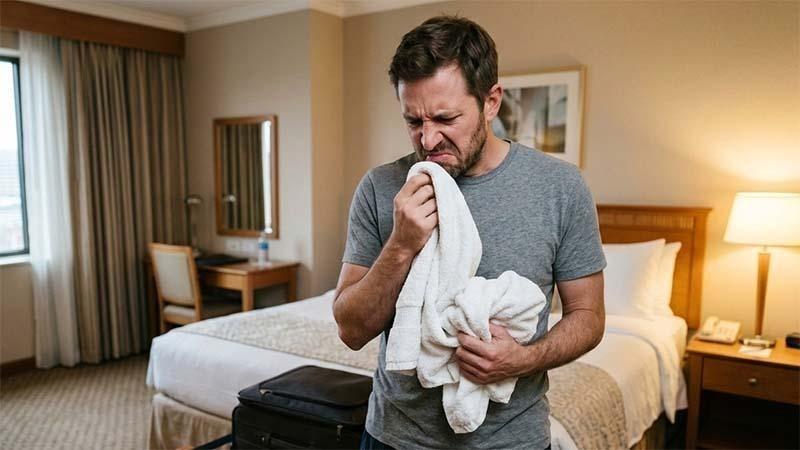
Do you get that musty smell from your towels even after a good wash? Whether it’s at your home or at a fancy hotel, these smelly towels are a serious problem. Various smell-causing compounds and mold can reach deep into your towel fibers. In such cases, a simple wash is not good enough.
Continue reading this quick guide to learn about the causes of towel odors and practical cleaning tips to prevent smells from returning.
What Causes Your Towels to Smell?

Tracking down the root cause of smelly towels can be a hard job. Your towels smell musty because of three possible culprits. It’s either mold from damp surfaces, bacterial growth from germs, or leftover cleaning chemicals.
1. Leftover Laundry Detergent
There is such a thing as too much detergent. After you wash your towels, small amounts of the laundry detergent embed into the towel fibers. This residue, plus moist environments, results in stinky towels.
2. Bacteria from Sweat or Body Oils
A light wash isn’t good enough to remove all bacteria. After a few days, any remaining bacteria on your towels will start to grow into a colony. Which eventually leads to musty odors.
Gym and bath towels are the most problematic elements. They trap tons of bacteria, body oils, and dead skin cells. Washing towels together helps these bacteria go from one towel to another.
3. Mold & Mildew Smells
Mold is slightly different from bacteria. Mold requires soft surfaces and moist environments to grow. Wet towels then become a natural hub for bacteria and germs. Most of the time, the musty towel smell that you notice is from mold growth.
Step-by-Step Deep Cleaning Process for Smelly Towels
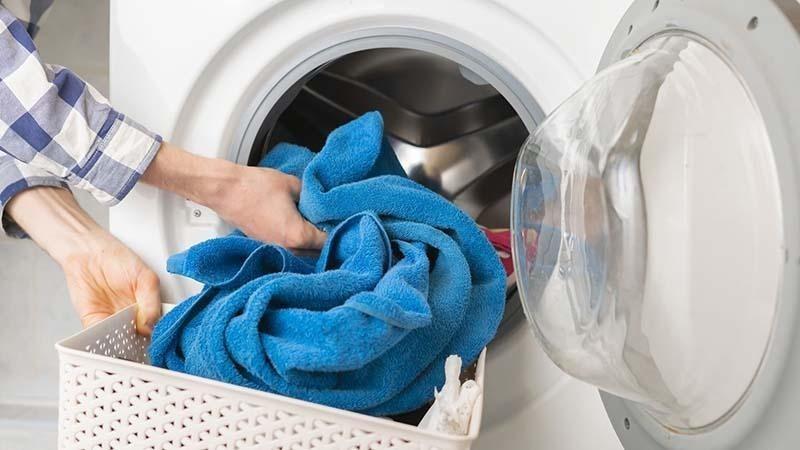
There are various ways we can remove musty smells from towels. The following cleaning steps are based on the intensity of the smell. After every step, examine your towels. If the smell is gone, you can skip to the other steps and jump directly to step 6.
Step 1: Use Hot Water to Wash the Towels
Hot water is better for washing fabrics, clothes, and towels. The higher water temperature helps loosen fibers and break down grime buildup. We strongly recommend using a hot wash cycle for all your cotton towels.
With microfiber towels, it’s a different story. These fibers are sensitive to heat. So you have to limit yourself to warm water. Try to avoid cold water whenever you wash your towels.
Step 2: Kill Germs with a White Vinegar Wash
Vinegar is a light acid. It kills germs without destroying your towel fibers. Plus, it’s a natural fabric softener.
- First, add all your white towels to the washing machine. Don’t overfill the washer.
- Use a quarter cup of vinegar for every towel in the machine.
- Optionally, you can add 2 teaspoons of lemon juice to the towels. It boosts the vinegar & adds a fresh, clean smell.
- Run your washing machine like you normally do, but without detergent. The vinegar will act as the cleaning agent. Lastly, run the washing machine on a rinse cycle to remove excess vinegar.
Step 3: Use Baking Soda for Stains
Baking soda is an alkaline substance and the natural counter to acidic compounds. These acidic compounds cause your towels to smell.
- Same steps as before. Load your machine with the smelly towels.
- Add one cup of baking soda to the towels. Anymore, and it will have the opposite effect.
- Again, wash the towels without any detergent and run a complete rinse cycle.
You should never mix baking soda & vinegar. These two compounds are polar opposites and will negate each other’s cleaning power.
Work in the following order. First, wash the towels with vinegar and rinse thoroughly with clean water. Next, you can repeat the steps with baking soda.
Step 4: Regular Wash Cycle with Laundry Detergent

Wash your towels as you normally do. Any laundry detergent is fine as long as it doesn’t contain harsh chemicals. Avoid overfilling the detergent tray. This step will remove any and all leftover vinegar and baking soda stuck to your towels.
And of course, you want to use the rinse cycle at the end to get rid of leftover soap residue.
Step 5: Sanitize Your Towels (Last Resort)
If your towels still smell, then it’s time for an additional sanitization cycle. Bleach and bleach-based fabric sanitizers are designed to kill germs and bacteria. Follow the product instructions for best results.
- If it’s a spray bottle, then lightly mist the towels until they are all damp.
- If it’s a concentrated liquid, then add a quarter cup to a bucket of water, then add towels one by one.
Regardless of the method, you want to wait at least 30 mins before rinsing the towels with clean water.
Dish towels, gym towels, and other cleaning cloths require this extra step. But be careful with bleach here. Use gloves to keep your fingers safe. Bleach also poses a threat to your towels.
Colored towels can easily fade and discolor under bleach. For white towels, use the products as recommended by the manufacturer. But for colored towels, we suggest oxygen-based bleaching solutions that are fabric safe.
Step 6: Dry Towels Immediately

Mold loves damp surfaces, and towels are no different. It’s very important that you completely dry your towels after washing. You have two options for drying towels.
- Tumble Dry: Set your dryer to low heat for microfiber towels. Dryer sheets are not necessary for towels.
- Air Dry: Hang your towels outside in a shaded area away from direct sunlight. Wait until the towels dry completely before folding and storing them in the linen closet.
7 Tips to Prevent Mildew Smell in Towels

Here are seven important tips to help you keep your towel smelling fresh for longer.
- Wash your towels regularly to avoid a mold and mildew smell. Bath towels should be washed once a week. Wash your gym towels and other cleaning cloths after every use.
- Wash your towels immediately after gym use. After some time, the body odors will penetrate deep into the towel fibers.
- Clean your gym bags every month. Even if you wash the towels properly, the bacteria from the bag can introduce bad smells to the towels.
- Avoid laundry stripping practices. They will remove tough odors and also permanently damage the towels.
- Vinegar and baking soda can boost the cleaning power of your detergents. But you can only use one at a time.
- Make sure your bathrooms are well ventilated. Closed bathrooms have high humidity, which leads to mold.
- Avoid fabric softeners. They won’t prevent your towels from smelling bad. Instead, fabric softeners will coat the towel fibers in a waxy layer. This makes the towels less absorbent.
Conclusion
The musty towel smell is generally caused by mold and mildew growth. Wet towels are more likely to develop this unpleasant odor. Regular washing is not enough to solve this problem. You need to break down the smell-causing bacteria on your towels. Use vinegar or baking soda for deep cleaning your towels.
Get Odor-Resistant Microfiber Towels from Manywell!
Manywell is a global leader in cleaning supplies manufacturing. We specialize in microfiber towels, cotton towels, tearaway rolls, and disposable cloths. Our microfiber products are naturally bacteria-resistant. Meaning they have a lower chance of trapping odors and smells.
All Manywell products are fully customizable and available for OEM procurement. Contact us now!