
Have you ever mopped your floors, only to find dust, streaks, or dull patches appearing again just hours later? For many homes and businesses, traditional wet mopping is not only time-consuming, it can also leave floors damp, slippery, and more vulnerable to damage over time.
A dry mop offers a simpler, safer way to keep everyday dust, dirt, and allergens under control—without a bucket of water or harsh chemicals. In this guide, you’ll learn exactly what a dry mop is, how it works, when to use it instead of a wet mop, and how it can help you maintain cleaner, safer, and more hygienic floors with less effort.
Whether you manage a busy commercial space or just want to protect your hardwood, vinyl, or tile at home, this article will walk you through the key benefits of dry mopping, how it compares to wet mops, and how to choose the right mop for your needs. Let’s get started.
What is Dry Mopping?
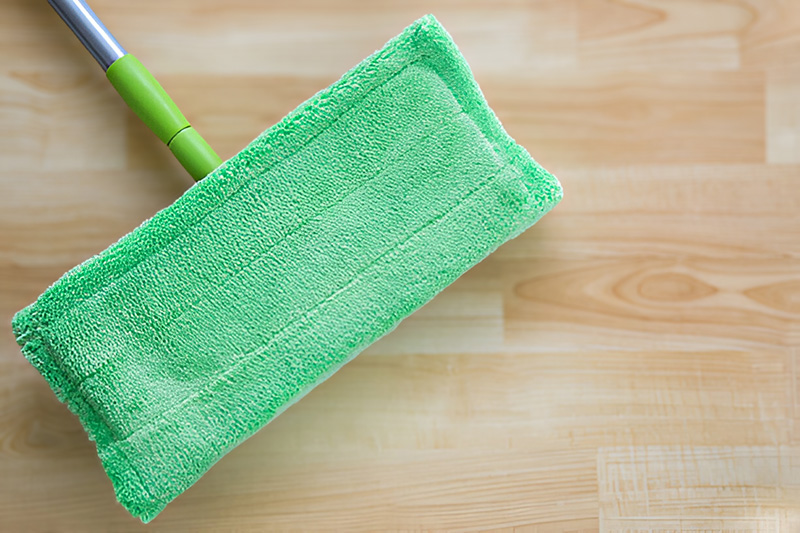
A dry mop (also called a dust mop) is a floor cleaning tool designed for gentle cleaning without the use of liquids or detergents. It uses a microfiber mop head with a flat design to maximize floor surface contact.
The microfiber mop heads are made with synthetic fibers that have electrostatic properties. Meaning the small fibers generate static electricity that attracts and holds dust particles.
The applications of dry mopping are somewhere between wet mopping and broom cleaning. Brooms are used for quick and easy floor cleaning. Wet mops are used for more thorough scrubbing.
Dry mopping is a more effective dust remover than brooms and more time-efficient than wet mops. You simply pull out a dry mop from the cleaning closet and gently wipe your floors to remove dust and the occasional liquid spills.
There are several types of mop head designs on the market. Each has slightly different absorption or scrubbing properties.
7 Incredible Benefits of Using Dry Mops/Flat Mops
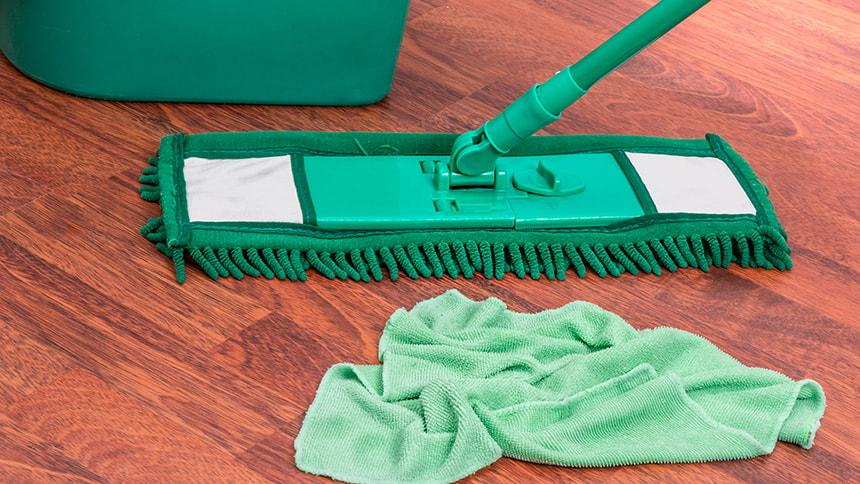
Here are some of the biggest benefits of using dry mops to clean your floors.
1. Lightweight Design
Dry mops are designed to be lightweight and convenient. They use efficient microfiber pads that cover a large area without being bulky or heavy. Since you don’t need to apply force when dry mopping, there is no need for a thick or heavy mop handle.
2. Quick Drying
Cleaning your floors is only the first step. Afterwards, you have to clean and dry your mops. Wet mops are designed to hold water. So, after washing, it takes days for the mop head to dry completely.
In comparison, microfiber mops are renowned for their quick-drying capabilities. So you can also hang dry your microfiber mop heads. Alternatively, you can machine-wash mop pads. Just use the low heat setting on your tumble dryer.
3. Hypoallergenic
Microfiber mop heads don’t contain any harmful materials. They are called hypoallergenic, meaning they are less likely to trigger your allergies. The allergen reduction design is a small but much-appreciated benefit.
4. Hygienic Design
Dry mops use microfibers, which are known for being bacteria-resistant.
A wet mop is a fertile breeding ground for bacteria and pathogens. A study by the National Institutes of Health (NIH) found that wet mops at hospitals were a hub for bacterial contamination.
Moisture can also cause mildew and mold to grow between your floor tiles. So it’s a big benefit that microfiber mops dry quickly. Meaning you can use them to clean up the occasional liquid spills without worries.
5. Gentle on Floors
Marble and vinyl flooring are particularly easy to scratch and damage. Dry mops will catch small debris and dust particles without any additional pressure. So the chances of accidental scratches are minimized.
Moisture is a big concern for wood flooring. Whether it’s laminates, softwood, or hardwood floors, avoid water-based cleaning.
6. Safer Environment
Wet floors are one of the biggest safety concerns in floor cleaning tasks. You can easily lose your footing on a slippery floor, leading to some serious injuries. The risks of getting hurt only increase when using soapy water, and if the lighting conditions are poor.
Dry mopping is a much safer cleaning option as there will be no wet spots on the floor. It is especially useful for areas with heavy foot traffic.
7. Eco-Friendly
Dry mopping is a resource-efficient cleaning method. You don’t need to use harmful chemicals to clean your floors. Similarly, you don’t need a lot of water and detergent to clean your dry mop head.
If you have particularly tough stains, you can lightly spray your floors with water and a gentle detergent, then quickly scrub them with the dry mop.
Dry Mops vs. Wet Mops: The Ultimate Comparison
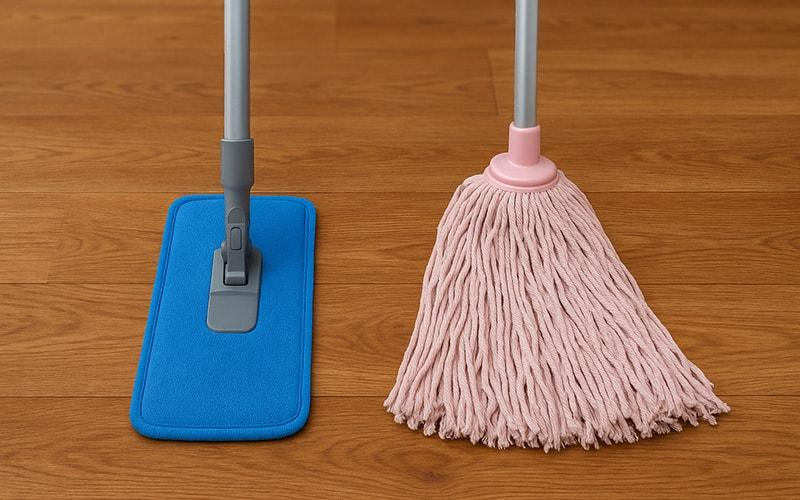
Let’s put these two mops head-to-head and see which one is better suited for your home or commercial settings.
Table 1 – Comparing the different properties of dry and wet mops.
| Properties | Dry Mops | Wet Mops |
| Construction Material | Microfibers & Cotton | Cotton, Yarn, Sponge & Synthetic Fibers |
| Durability | Decent | Excellent with Proper Maintenance |
| Water Usage | No Water Required | Heavy Water Requirements |
| Recyclable Mop Heads | Only if Made from Cotton | Only if Made from Cotton or Other Natural Fibers |
| Maintenance | Quick & Easy | Time Consuming |
| Complete Mop Cost | Low | Low to High |
| Replacement Mop Head Cost | High | Low |
| Applications | Light Cleaning & DustingDust & Hair RemovalPrepping for Wet MopBroom Replacement | Deep CleaningScrubbing FloorsRemoving StainsFloor Disinfectant |
Material & Construction
Dry mops generally use microfiber pads to ensure longevity and effective cleaning. As microfibers are primarily made from plastics, some brands offer dry cotton mops for a more eco-friendly alternative.
Wet mops are made to be bulky so they can absorb the maximum amount of liquid. As cotton is cheaper, that’s what most manufacturers use. Recently, some manufacturers have started offering microfiber tube mops, which are more absorbent and longer-lasting.
Cost Analysis
Dry mops have a lightweight construction. Since the mop head doesn’t need to hold any water weight, manufacturers can use lighter materials, which also results in a lower price.
Wet mops contain more materials to make them heavier and bulkier. More material means more durability, but it also means higher pricing. Wet mops also need a dedicated mop bucket, which adds to their higher cost.
Maintenance Analysis
Removable flat mop heads are generally washing machine safe, but we recommend following the manufacturer’s instructions.
- Microfiber mop heads require a gentle cleaning solution. Avoid harsh cleaning solutions and high-heat tumble drying.
- Small particles, dirt, and debris cling to wet mops. So, it’s best to first rinse your wet mops in clean water a few times. Then wash it with detergents.
Purpose and Use
Use dry mops on soft surfaces and wet mops on hard surface floors, where there is less risk of scratching.
- Dry mops are great at removing dirt and dust from flat surfaces and maintaining cleanliness through regular cleaning.
- Wet mops are better suited for deep cleaning floors and removing built-up dirt and grime. They are better suited for weekly or monthly cleaning applications.
Efficiency and Eco-Friendliness
Dry mops are easier to use as you can lightly sweep your floor and remove dirt, loose hair, and occasional spills. By comparison, wet mops need more effort to clean. You have to first soak the mop head in water, then dry it between sweeps to prevent contamination.
Wet mops require more water and harsh cleaning agents to be effective. Making them significantly less eco-friendly.
How to Choose the Right Dry Mop for Your Home or Business?
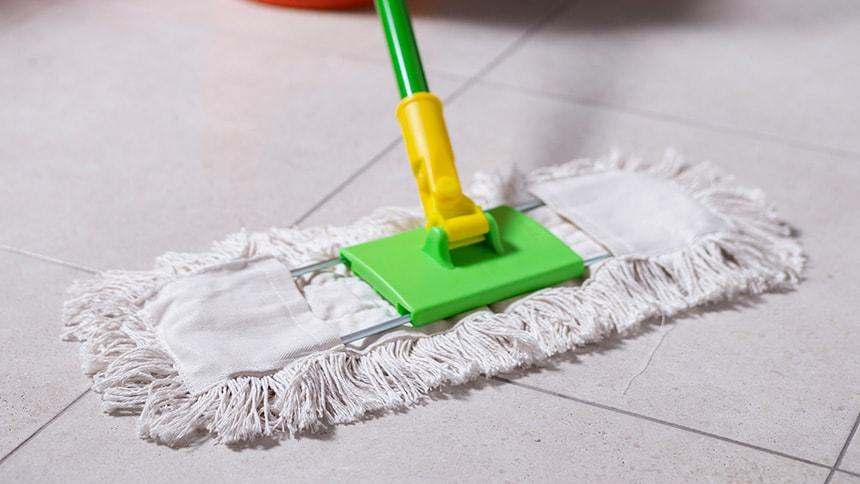
Choosing the right mop for your home or business is all about knowing your cleaning needs. Here are important factors to consider when selecting a mop.
- Use Case: Use dry mops to trap dust particles and wet mops to remove stains and built-up dirt.
- Foot Traffic: More people walking means more dirt, which requires more thorough cleaning using a wet mop.
- Floor Type: Dry mops are better for vinyl and hardwood floors. Wet mops are better for uneven tile/stone floors.
- Ease of Use: Look for a long-handled mop with a swivel head. It puts less strain on your back as you clean.
- Maintenance: Go for washing machine safe mop heads. Generally speaking, microfiber dry mops are washing machine safe but not dryer safe.
- Cost: Dry mops cost more but last longer. Wet mops require more expensive cleaning solutions and detergents.
6 Tips for Effective Dry Mopping
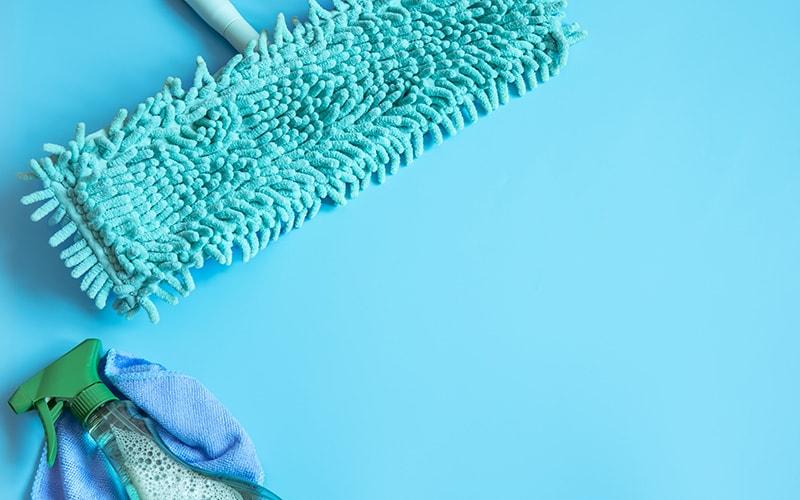
Here are six simple tips to improve your dry mopping skills.
- Shake off any previous dust and debris before using your dry mop.
- Sweep in a figure eight pattern to gather as much dust as possible.
- Work in sections to ensure full floor coverage.
- Use rectangular mop heads to clean the edges and corners.
- Regularly wash and dry your mop pads to prevent odors and bacterial growth.
- Use dry mops for daily dusting and wet mops for weekly or monthly floor cleaning.
Conclusion
Dry mops offer a simple, effective way to keep everyday dust, dirt, and allergens under control while protecting sensitive floor surfaces. Used alongside traditional wet mops for periodic deep cleaning, they help you maintain cleaner, safer, and more hygienic spaces with less time and effort.
Get the Best Quality Dry Mops from Manywell!
At Manywell, we focus on designing reliable microfiber dry mops and accessories that are built for long-term, daily use in both home and commercial environments. If you are looking to upgrade your current cleaning tools or standardize equipment across multiple sites, our team can help you choose practical, cost‑efficient options that fit your specific needs.
If you’re ready to improve your floor care routine, consider exploring our range of microfiber mops or reaching out for tailored advice on mop selection and maintenance. A small adjustment in the tools you use today can make a noticeable difference in cleanliness, safety, and overall cleaning efficiency tomorrow.