
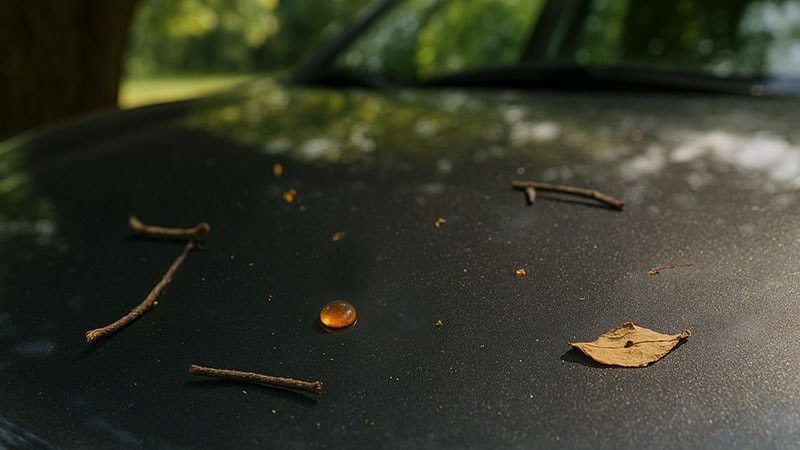
Tree sap on your car hood is a common occurrence in urban settings. While it looks harmless, as it hardens, it will leave permanent stains on your fresh paint. Duration also matters. The more you wait, the more damage it will do to your car.
In this article, we’ll walk you through simple, effective, and safe methods to remove tree sap from your car.
What is Tree Sap?
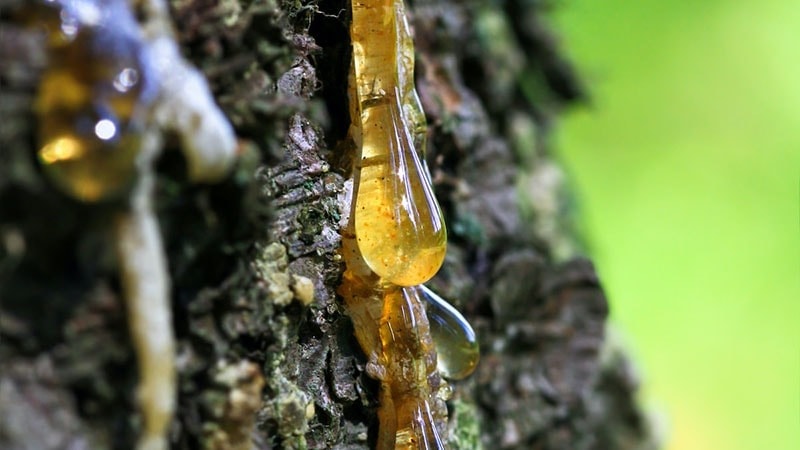
Tree sap is a sticky substance that results from damaged tree bark. It’s composed of sugar, water, and various minerals. Sap dripping from trees lands on cars at night and hardens by the morning. Removing this sticky sap isn’t easy and often leads to accidental dents and scratches on your car.
Every tree produces sap. The two most popular ones are maple and pine. Sap from maple trees makes maple syrup, while pine sap is used as an ingredient in several applications.
Resin is another form of tree sap. Sap is the red blood of a tree, keeping it alive, and resin is the white blood cells that activate when the tree’s surface is damaged. For car clean-up, the two words are interchangeable.
Can Tree Sap Damage Your Car’s Paint?
Absolutely! Once hardened, tree sap stains are very difficult to remove and often leave permanent marks on your car. Every area of a car, from the painted metal to the plastic parts, is susceptible to damage.
All of this damage is cosmetic, and while the first few sap stains might not bother you, eventually the damage accumulates. Therefore, timely sap removal, before it hardens, is recommended.
Preparatory Steps for Sap Removal
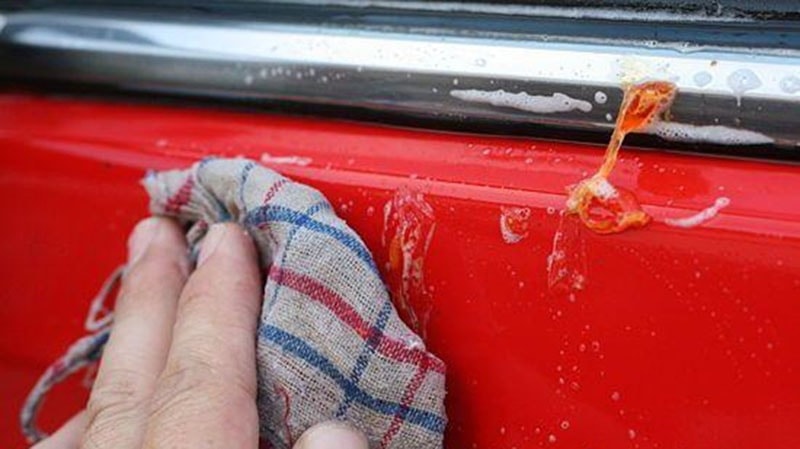
Before we teach you how to remove sap from your car, there are some important preparation steps. These simple yet effective steps will make sap removal easier and reduce the risk of scratched paint.
1. Assessing the Damage
Thoroughly examine your car’s exterior. The hood and windscreen are the most common areas to check. But sap spots can hide in between panel gaps, dark plastic pieces, and exposed grills.
Hidden sap spots will harden over time, and by the time you notice them, there will be permanent stains on your car.
2. Gather Supplies
Make sure you have your sap removal supplies on hand. You generally need three key tools.
- Sap Remover: Any liquid sap removal product that will rehydrate the sap, making it easy to remove.
- Microfiber Cloth: An ultra-soft fabric made from a blend of polyester and nylon. It’s a scratch-free way of removing tree sap.
- Car Wax: Some sap removers will damage the clear coat on your car. Apply wax to prevent any further damage.
3. Pre-Removal Car Wash
It’s important to wash your car before you start the sap removal process. Loose dirt and unwanted twigs on your car are potential scratch points as you wipe away the tree sap.
A quick wash often removes freshly fallen tree sap, making the cleanup a little easier. Just remember to use warm water, a mild car wash soap, and a clean microfiber towel to clean your car.
How to Remove Tree Sap From Your Car?
We decided to categorize sap-removing methods into different levels. Level one is the easiest and most cost-effective option. Each subsequent level will require more time and effort.
Level 1: Warm Water & Microfiber Towel
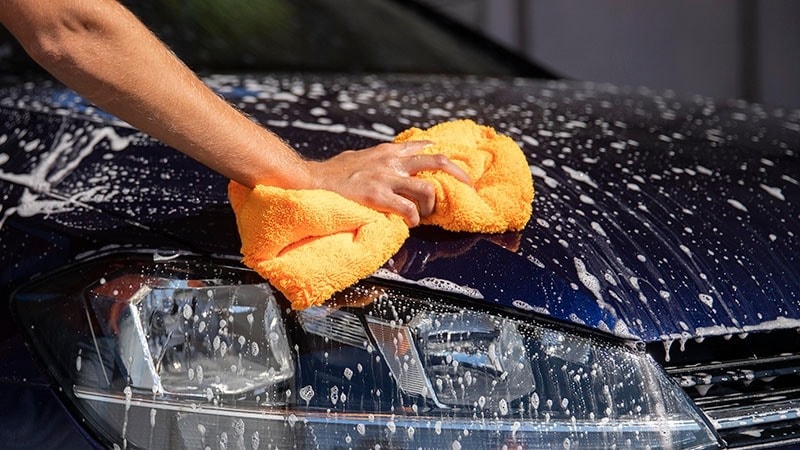
Soak a clean microfiber cloth or towel in warm water. Now place the warm towel on the sap spot and let it sit for at least five minutes. This will rehydrate the dry and hardened sap and convert it back into a sticky residue. After five minutes, gently rub the sap off your car.
In colder climates, switch warm water for soapy water. Same process as before, mix warm water and mild dish soap in a bucket. Soak up the mixture with a microfiber cloth and place it on the sap stain.
Level 2: Using Commercial Sap Removers
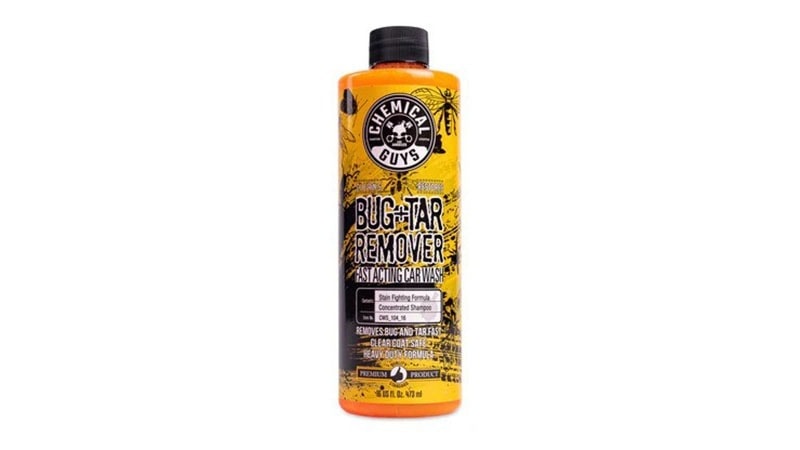
There are several sap removers available on the market. You will see them branded as bug and tar removers.
Each one is designed to do the same thing. Rehydrate the sap back into a soft sticky substance. So you can easily wipe it off. The product instructions are also pretty much identical. Spray the sap stains, let them rest for 1-5 minutes, then wipe them off with a clean cloth.
Commercial sap removers contain solvents like mineral spirits, isopropyl alcohol, or petroleum, and some type of viscous base that prevents the solution from running off.
You might have noticed that these sap removers are only at level two. That’s because they are designed to be weak and less corrosive. The manufacturers don’t know if you have a protective coating or wrap on your car. So they have to make a universal solution that won’t damage your vehicle’s paint.
Level 3: DIY Hacks
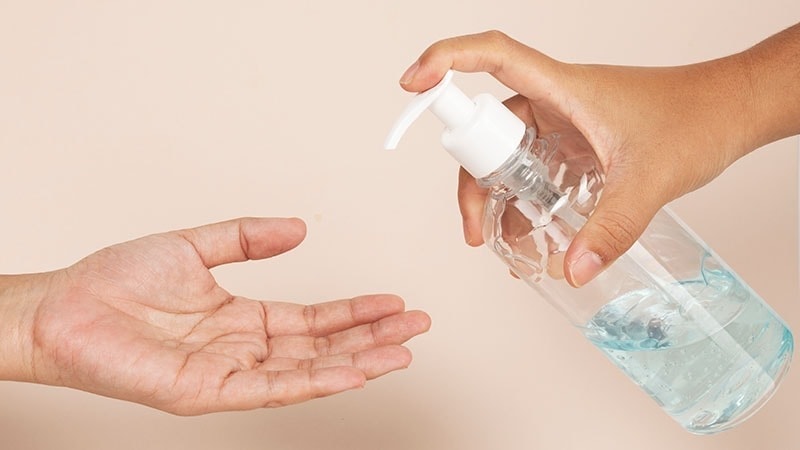
There are more effective methods for removing tree sap. However, we must warn you that some of these DIY (do-it-yourself) hacks you see online are risky and may damage your car’s exterior.
We have tested several DIY sap removal solutions and identified the most effective methods. Firstly, any homemade sap remover must have one of these three ingredients.
- Alcohol: You can find it in isopropyl alcohol (or rubbing alcohol), hand sanitizer, and nail polish remover.
- Oil: Wax, cooking oil, and any other source of fat are good enough.
- Petroleum: You can find it in WD-40 or mineral spirits used in carpentry.
We recommend using good old hand sanitizer. It’s easily available, cost-effective, and multi-purpose. Hand sanitizer contains alcohol, which helps dissolve the tree sap. The gel component keeps it in place and prevents it from drying out.
Put sanitizer gel on the sap-covered area and let it rest for 30 seconds. Gently rub with a microfiber cloth until the stain is all gone.
Pure isopropyl alcohol is just as effective. But it’s too harsh and will strip away your clear coat and car’s paint. Alcohol is a great solvent. Prolonged exposure will dissolve the tree sap and the protective coatings on your car’s exterior.
Level 4: Scarping
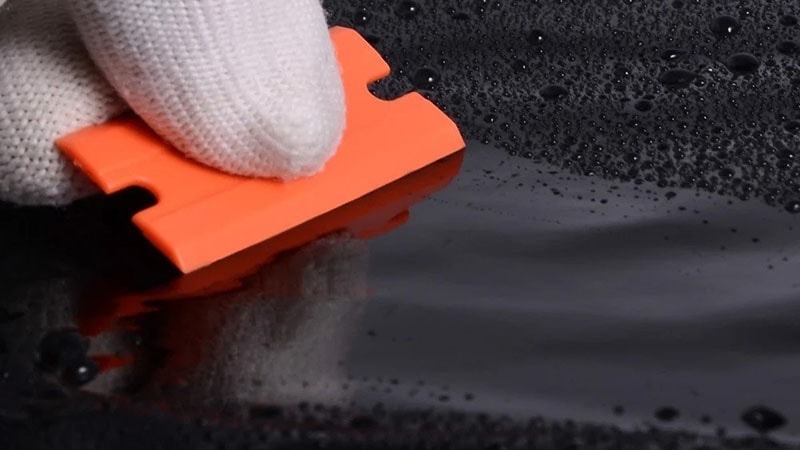
This is your last resort. Scraping is a sure-fire way to remove tree sap stains. However, you always risk scratching and damaging your car’s exterior. With the right tools and some precautionary steps, you can reduce the scratching risks. But if you are uncomfortable here, you can always seek professional help.
- Firstly, always use a plastic razor blade and avoid metal blades or other blunt scrapers.
- Next, properly lubricate the sap stain and the surrounding area with sap remover or hand sanitizer.
- Tilt your blade to a 45° angle and gently scrape the treated area. Use multiple small strokes instead of a single powerful one.
- Wipe away the excess liquid with a clean cloth.
Post Cleaning Steps
Examine the car once more, look for stubborn stains, scratches, and dull spots. Like you do after every car wash, apply wax to your car. Wax gives your car a new shine and creates a protective barrier that will resist future tree sap spots.
In some cases, the paint damage is unavoidable, and minor touchups become necessary.
6 DIY Sap Removal Methods & Home Remedy
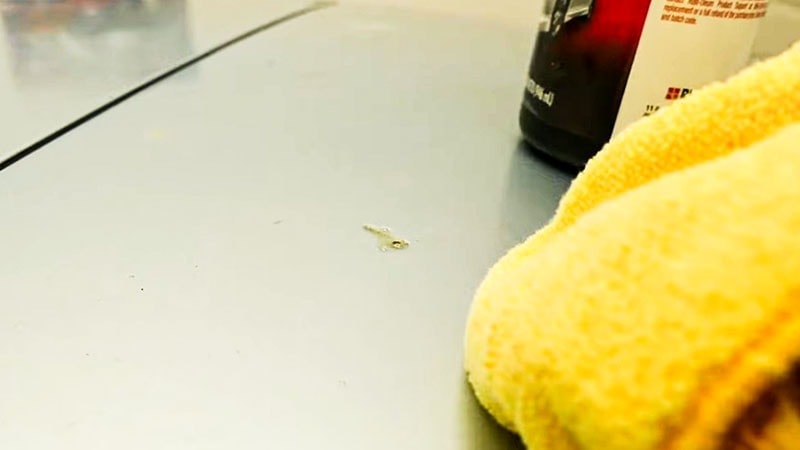
We wanted to cover all our bases. So in this section, we will be testing every home remedy and DIY solution for tree sap removal. Giving you our honest and unbiased review.
1. Hair Dryer
Hair dryers and heat guns can melt tree sap into a more manageable sticky substance. Low heating is less effective and only removes the top layer of the sap. Higher temperatures are more effective but can damage most protective layers and your paint job.
Effectiveness: Very Low
2. Olive Oil
Oil is a common ingredient in commercial sap removers. So, using pure olive or cooking oil should help with sap removal. In our experience, oil, olive, or other oils are somewhat effective. It will remove some sap stains but not others. It’s fine in a pinch, but otherwise not that helpful.
Effectiveness: Low
3. Baking Soda
Apply a baking soda and water paste to the sap-affected areas and let it sit for a few minutes. Then gently wipe with a microfiber cloth. Baking soda is not helpful here. The water is doing all the heavy lifting by softening the sap.
You can use baking soda as a mild abrasive, but we feel that it defeats the point of using the simple sap remover hack.
Effectiveness: Zero
4. Clay Bar
Gently knead the clay bar until it’s soft and sticky. Spray your car with an auto detailing spray and rub the surface with the clay. Lastly, wipe everything dry with a soft cloth. The clay bar did remove sap stains, but struggled with those thick, hardened sap drops. Clay bar cleaning is a labor-intensive process and best suited to small spots and stains.
Effectiveness: Medium
5. Mayo or Peanut Butter
Add a small amount of mayo or peanut butter to the sap spot and wait a minute. Next, rub using a clean microfiber towel in a circular motion until the sap comes off. Both these food items contain a lot of fat (oil), which helps soften the tree sap. These methods are just as effective as pure oil, which isn’t saying a lot.
Effectiveness: Very Low
6. Acetone
Acetone is an excellent solvent like alcohol. It will remove tree sap but also damage your car’s finish and the paint. It softens the clear coat and dissolves the top layer of car paint. Best-case scenario, you get a dull spot on your car. Worst case, you just ruined your car’s finish.
Effectiveness: N/A
Important Factors to Consider When Removing Tree Sap
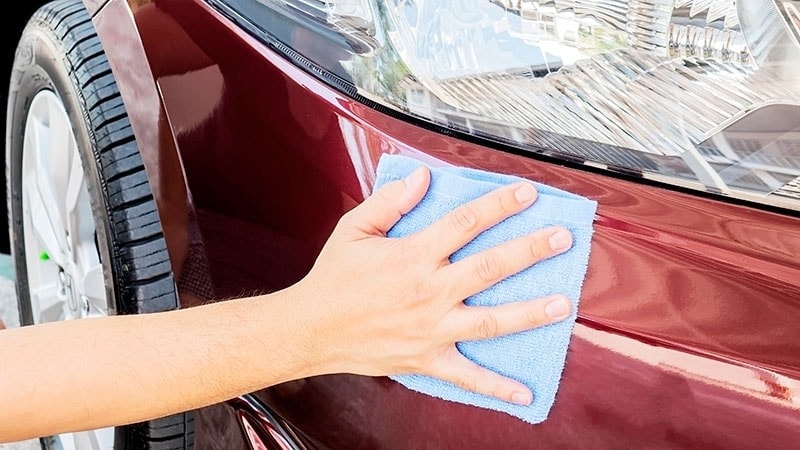
Here is a list of precautionary factors that will help you safely remove tree sap from your car.
Heating
Heat softens tree sap and makes it easier to remove. Meaning sap removal in winter is naturally going to be a lot harder. Washing your car with warm water can help, but excessive heating will damage your car.
Moisture
Just like heat, moisture helps soften tree sap. Water, oil, petroleum, and alcohol are partially able to dissolve the tree sap. Hence, most sap removal methods ask you to let the liquid sit on the stain for a few minutes.
Scratching
Scratching is always a possibility when removing tree sap. Avoid excessive pressure when rubbing sap remover on your car. You can prevent potential damage by using a soft cloth, such as a microfiber towel.
Damage Coating
Never use harsh chemicals. Avoid sap removal hacks that recommend acetone, pure alcohol, abrasives, gasoline, or cola. Stick with the commercial stuff for maximum safety.
Tips for Preventing Tree Sap Damage
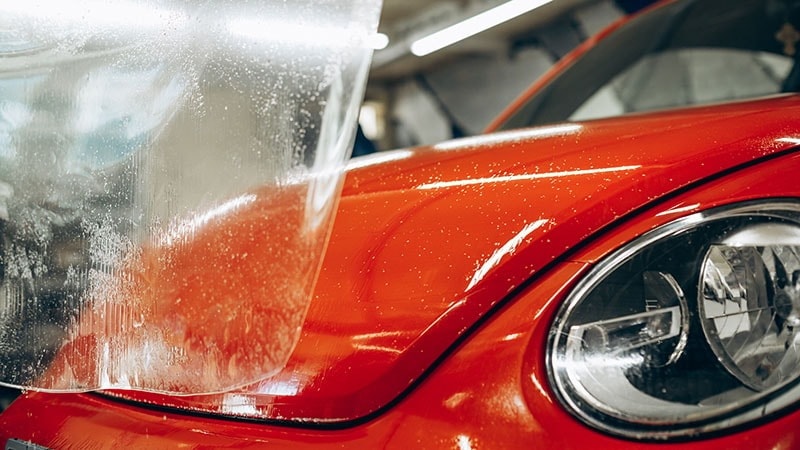
Safe sap removal is only the first part of your car care and maintenance. Your next step should be to prevent future sap accumulation and damage.
- Vehicle Parking: Avoid parking directly under trees. Parking lots are costly, but still less expensive than a new paint job.
- Trim Branches: Trim the overhanging tree branches on your driveway to reduce the risk of tree sap and bird droppings.
- Regular Cleaning: Regular car washing and cleaning is a great way to prevent tree sap damage. The more time sap spends drying on your car, the more likely it is to leave a permanent mark.
- Coatings & Wraps: Vinyl wraps, PPF, and clear coats are a great way to keep your car’s surface safe. Coatings also protect your car from UV rays and discoloration.
- Protective Covers: Car covers are a great solution for occasional drivers and secondary cars.
Conclusion
Tree sap is a natural part of owning a car, and with proper cleaning steps, you can easily remove the sap without calling a professional. Like most problems, prevention is the best solution. So avoid parking under a tree that regularly drops sap on your car. The next time you have a messy sap problem, remember to use all the tips and tricks shared in this guide to make your job easier.
Get Microfiber Cleaning Cloths from Manywell!
Manywell is a leading manufacturer of cleaning supplies. We specialize in microfiber cloths, cleaning sponges, and flat mops. All our products are completely customizable, non-toxic, and made from eco-friendly materials.
Get car cleaning supplies at competitive prices. Contact us now!