
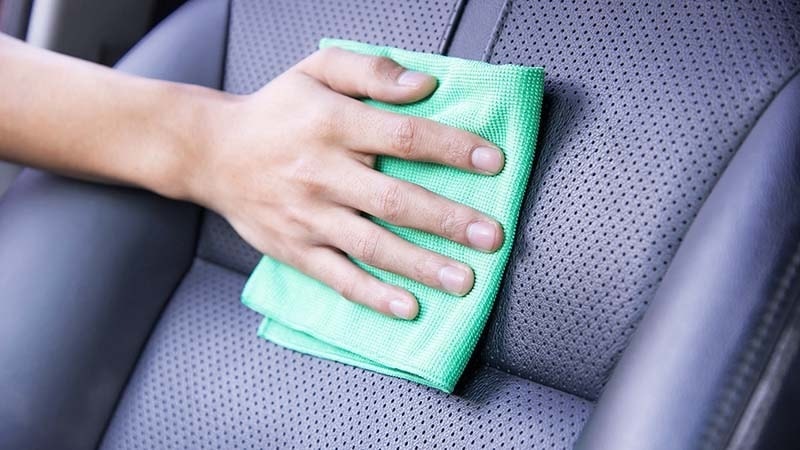
Leather is an incredibly durable material with a premium look and feel. But without regular maintenance, they can quickly fade, crack, and lose their softness. No need to worry, several leather cleaners and conditioners can restore your car seats.
In the article, we teach you the proper steps to clean and protect your car’s precious leather seats.
Identify the Type of Leather Seats
Not all leather car seats are made equal. Some are easier to scratch and damage than others. So take your time here. There are over a dozen types of leather car upholstery, but we have narrowed it down to six major ones.
Table 1 – A quick breakdown of all types of leather car seats.
| Category | Type | Description |
| Genuine Leather | Full Grain Leather | Top quality premium leather that’s more durable and long-lasting. |
| Top Grain Leather | Medium to low quality leather, which is less durable but more affordable. | |
| Suede Leather | Premium and super soft leather made from the inner side of the hide. | |
| Perforated Leather | Leather car seats with small holes in the surface for better airflow. | |
| Synthetic Leather | Polyurethane (PU) | A soft plastic film, bonded to a fabric layer, and etched with a leather texture. |
| Alcantara | Non-woven polyester and nylon fibers bonded to a PU backing, designed to mimic real suede. |
Synthetic leather is known by several names, such as faux leather, vegan leather, PU leather, and pleather. All these materials are the same type of plastic polyurethane seats designed to mimic real leather.
You can identify your car seats by calling the manufacturer or looking for a tag on the upholstery. If you’re unsure, take the safe route and use gentle cleaning tools.
Required Cleaning Products & Supplies
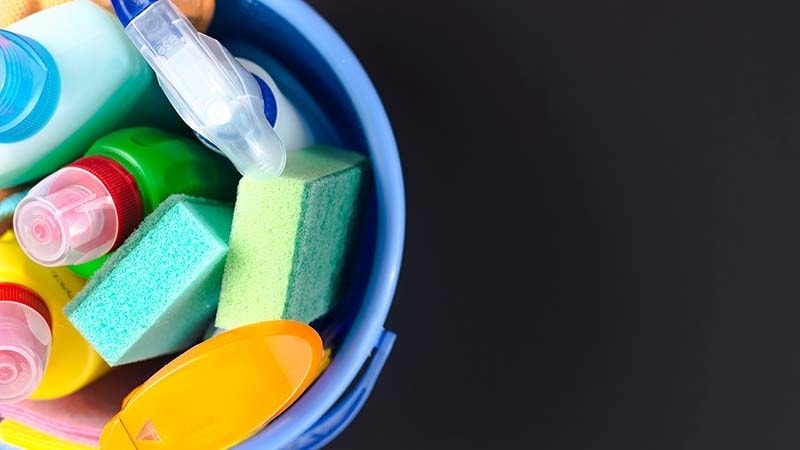
Leather car seats are fairly easy to clean. As long as you have the right tools and a basic knowledge of leather care, you will be fine.
Here is a quick list of cleaning supplies you will need for the job.
- Soft Bristled Brush (Safe for Automotive Leather)
- Microfiber Cloth (for Scratch-Proof Scrubbing)
- Microfiber Towel (for Drying Car Seats)
- Soft Sponge (or Microfiber Scrubbing Mitt)
- Leather Safe Seat Cleaner
- Leather Conditioner (Optional)
- Magic Eraser / Melamine Foam (Optional)
- Vacuum Clean with Brush Attachment (Optional)
Note: Avoid cleaners with harsh chemicals, as they can damage the soft leather.
How to Clean Leather Seats? Step-By-Step Cleaning Process
Leather cleaning is the same everywhere. You can use the following steps to clean car seats, steering wheel covers, car doors, and other elements of your car’s interior.
Step 1: Open Up Your Car’s Interior
Work in sections, start with the front seats, then move your way to the back.
- Front Seats: Open your car doors, slide your front seats to the back, and recline them for better access.
- Back Seats: Fold down your front seats and slide them forward so you have more room.
You want enough room to move around and prevent accidental damage to the leather interior.
Step 2: Dry Clean with a Vacuum
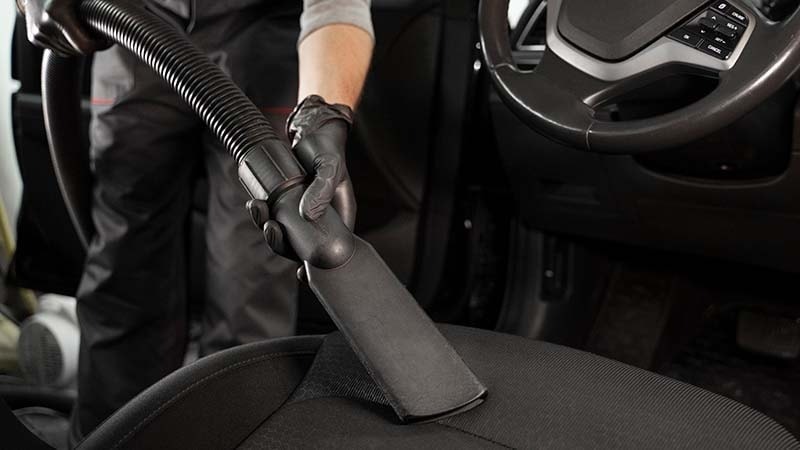
A vacuum with a soft brush is an excellent liquid-free way to clean your car seats. This way, you can get rid of loose dirt and debris that can damage the soft leather during shampooing (scrubbing). Clean between the headrest, seat back, and the seat itself.
If you don’t have a vacuum cleaner, use a small brush and a dry microfiber cloth.
Step 3: Wipe Clean the Leather Seat Covers
Use a damp cloth to wipe your seats from top to bottom. The slightly wet microfiber cloth will lift dirt particles from the leather surface that the vacuum missed. It will also remove some of those stubborn stains. Dip the cleaning cloth in warm water, then squeeze out the excess water before using.
No need to scrub at this point. You are just trying to remove the grime build-up missed by the vacuum cleaner.
Step 4: Apply Leather Cleaner to a Cleaning Sponge
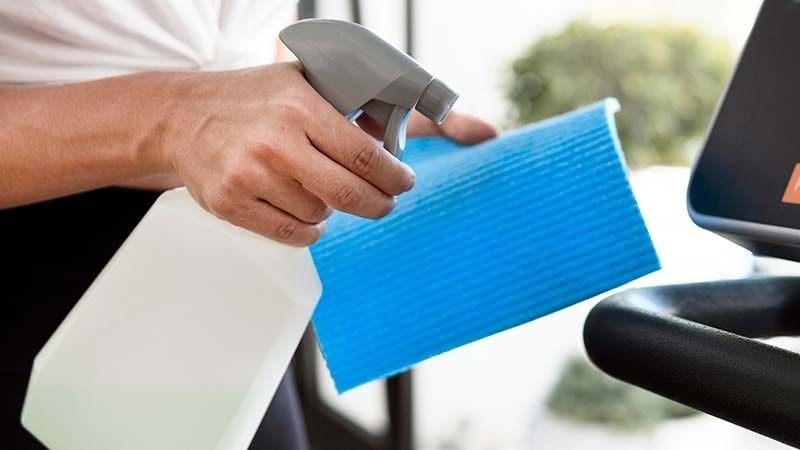
Avoid soaking your car seat in a cleaner. Do not directly spray the cleaning solution onto the car seats. Because if you concentrate the spray in one area, it will lead to permanent stains. Instead, apply a thin layer of cleaner onto a cleaning sponge.
This step is even more important for perforated car seats that are more likely to absorb the seat cleaner.
Step 5: Gently Scrub the Leather Car Seats
Now scrub the car seats. Move the sponge in circular motions for maximum coverage. You need to start with the headrest first. Then move on to the seat back and finally work on the seat base.
This will remove the surface-level stains from body oils, sunscreen, and accidental spills.
Step 6: Deep Cleaning the Leather Seats
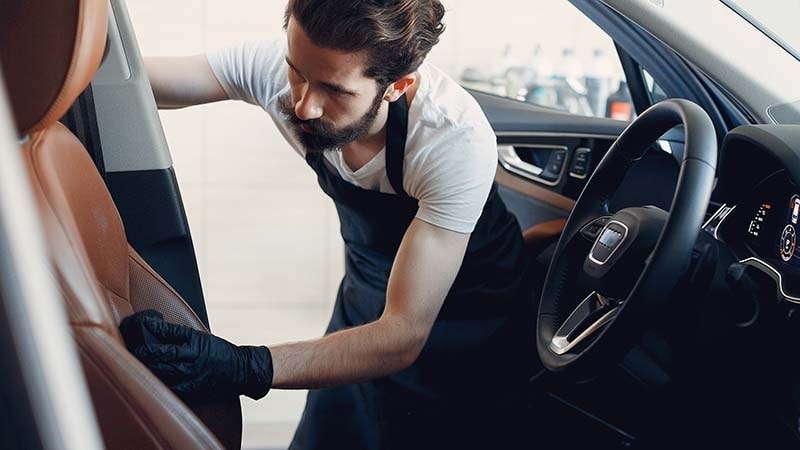
Use a soft brush to remove those deep stains. Apply enough pressure so that the bristles can push the cleaner into the leather car seats. Careful not to apply too much pressure.
Excess pressure can damage the genuine leather’s finish and cut through synthetic leather. Either way, you are looking at costly repairs.
Step 7: Dry with Microfiber Towel
Now wipe down your vehicle’s interior with a high-quality microfiber towel. The towel will dry the leather surface and remove any leftover cleaning solution residue.
If you still see stains, then repeat steps six and seven until the seat leather is clean and back to top shape.
How to Protect Leather After Cleaning?
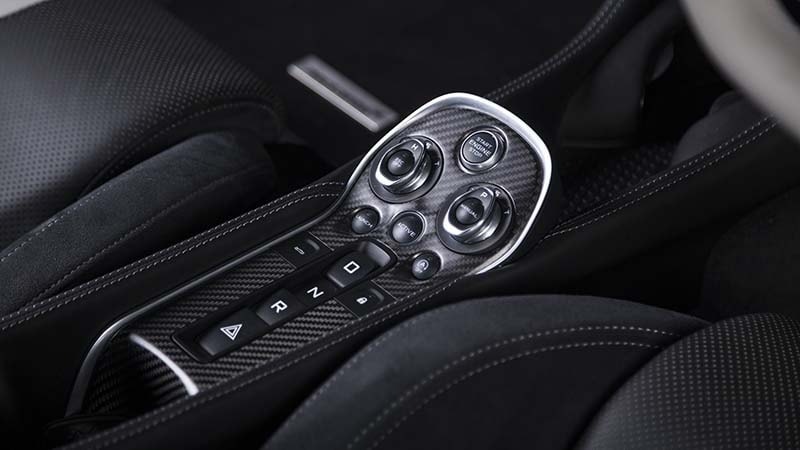
Leather conditioning is an optional but effective way to protect your car seats and keep that leather soft and glossy. High-quality leather conditioners form a protective layer that protects your car from water and sun damage.
It also restores moisture and prevents leather seats from drying out and cracking. Here is a basic overview of using leather conditioners for your car’s interior.
1. Get the Right Leather Conditioner
Leather conditioners are known by several names. You will often see words like leather seat protector, seat guard, and leather sealant on the packaging. All these products are some form of leather care.
We recommend getting a basic conditioner that contains natural oils and offers UV protection.
2. Only Use After Cleaning
Conditioners form a protective barrier over your car seats. So if you don’t clean the seats properly, the stains will get sealed under the conditioner.
Additionally, any leftover cleaner on the leather surface will mix with the conditioner and make it effectively useless. So wipe everything dry before you apply any conditioner.
3. Apply a Thin Coat
Leather conditioners have zero cleaning power. They are mostly cosmetic, designed to keep your leather in great shape for longer after cleaning. For optimal results and even coverage, we recommend applying two coatings.
FAQ
How Often Should You Clean Leather Car Seats?
Lightly clean your leather seats once every two weeks. Shampoo your car seats every two to three months.
How to Clean Other Types of Car Seats?
Use the same cleaning process for leather and vinyl seats. For cloth seat covers, we recommend investing in a carpet extractor.
Will Scrubbing Damage My Leather Car Seats?
No. Soft brushes will not damage your car seats. Just avoid metal and sharp plastic parts.
Can You Clean Car Seats with Alcohol?
Alcohol is good for disinfecting surfaces, but it will damage your car’s interior.
Conclusion
Regular cleaning is always preferable to occasional deep cleaning. That statement couldn’t be truer for leather car seats. Leather is a durable material, but one that can easily lose its shine. Use this guide to clean your car’s leather interior and keep it looking new for longer. No need to worry about any specific leather cleaners or conditioners. Just make sure the products have a leather-safe label on the packaging.
Get Leather Safe Microfiber Cloths & Brushes from Manywell!
Manywell is an expert when it comes to cleaning car seats. Our microfiber cloths, scrubbing mitts, and disposable cloths are ideal for automotive use. We use ultra-soft, lint-free microfiber materials that have a zero chance of scratching leather surfaces.
Get premium leather cleaning supplies from Manywell today. Contact us now!