

Polishing helps you clean the clear coat, remove swirls, and restore the car’s paintwork. It also prepares the surface for wax, which gives a long-lasting shine. Many people search for how to polish a car at home. The goal is to help the entire car look even and smooth again.
You only need the right tools and the right steps. A good car wash removes dirt, bird droppings, and water spots. A clay bar clears stuck dust from the clear coat. A polishing compound works on minor scratches and swirl marks.
In this article, you will learn how to polish a car in simple steps. You also learn the best way to polish a car by hand and how to use a polisher.
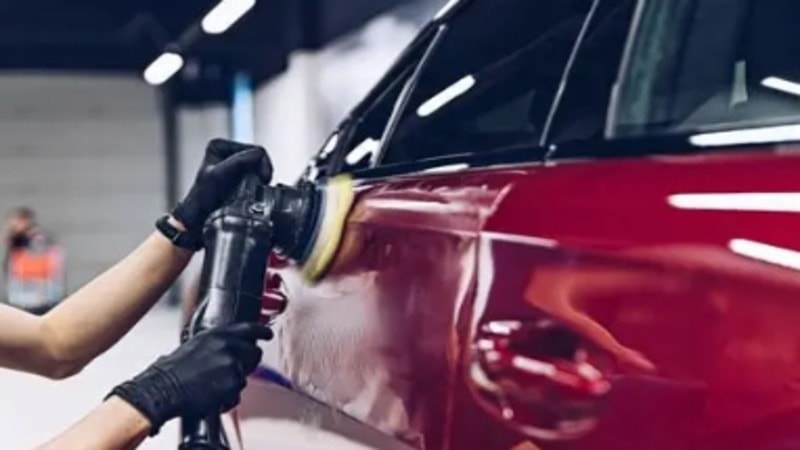
Tools You Need
Any task is incomplete without gathering the right tools. Using quality tools makes polishing safe and effective. Here is what you need to polish a car properly:
- Microfiber wash mitt – It helps wash the car without scratching the paint. Mitts are soft and user-friendly.
- Car wash soap – It removes dirt, bird droppings, and water spots before polishing.
- Microfiber towels – It dries and buffs the car’s paintwork safely. High-GSM towels prevent swirl marks.
- Non-woven cleaning cloths – Non-woven cleaning cloths removes products without scratching the surface.
- Clay bar and lubricant – It removes bonded contaminants from the clear coat for a smooth finish.
- Polishing compound – It works on minor scratches, swirl marks, and light oxidation.
- Finishing polish – It brings a brilliant shine after using the polishing compound.
- Foam pads / Polishing pad – It spreads polish evenly and safely. Use different pads for rubbing compound, polish, or swirl remover.
- Rubbing compound / Swirl remover – It helps remove deeper scratches and swirls using a thin layer and even coverage.
- DA polisher or hand applicator pads – It allows fast machine polishing or hand polishing for beginners.
- Microfiber cloth – It reveals the final shine and finishes the polishing process.
Using these tools correctly ensures even coverage, and helps your car get a long-lasting shine.
Set the Stage Before Polishing Safely
Experts say preparation is key to polish a car safely. It helps prevent swirl marks and protects the paint job. Follow these steps before you begin polishing:
Choose a Shaded Area
It is best to work in a shaded area, away from direct sunlight. Direct sunlight can dry the polish or compound too quickly. Additionally, this can leave streaks or uneven marks on your car’s paint. It will also help the polish work evenly and makes it easier to see imperfections in the paintwork.
Inspect the Vehicle’s Paint
Before polishing, inspect your car’s paint carefully. It helps you spot swirl marks, minor scratches, and any deep scratches that may need extra attention. Knowing the condition of your vehicle’s paintwork lets you decide whether hand polishing or machine polishing is best.
Wash the Car Thoroughly
It is important to give your car a full wash before polishing. A proper car wash removes dirt, bird droppings, and water spots. These can scratch the clear coat if left on the surface during polishing. Use a microfiber wash mitt, such as Manwell’s, for gentle, scratch-free cleaning.
Dry the Surface Completely
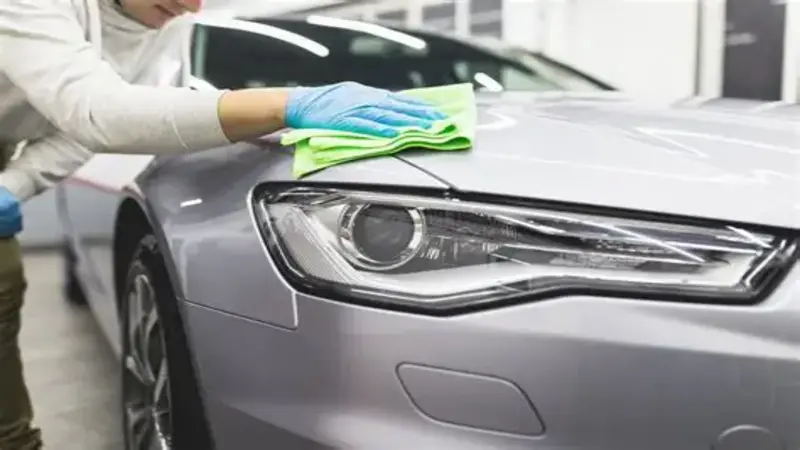
After washing, dry your car with high-quality microfiber cloths. It ensures that the polishing pad can glide smoothly over the paintwork. Proper drying also prevents water spots from forming during the polishing process.
Prepare All Your Tools
It helps to have all your tools ready before you start. Foam pads, polishing compounds, swirl removers, and microfiber cloths should be within reach. Having everything ready lets you effectively work and reduces the risk of errors while polishing.
Check Your Foam Pads
It is important to inspect your foam pads before use. Pads must be clean and free from grit, which can scratch the vehicle’s paint. Using clean pads ensures even coverage and helps the polishing compound work effectively.
Work in Small Sections
It is easier to polish your car in small sections. This method ensures even coverage and prevents missing spots. It also allows you to focus on one area at a time, applying the right amount of polish and light pressure.
By following these expert tips helps you achieve a brilliant shine and a long-lasting finish. Proper preparation is the first step to feeling confident while you polish a car at home.
Step-by-Step Guide: How to Polish a Car for a Flawless Finish
Polishing a car restores the vehicle’s paintwork. Moreover, it removes swirl marks and light scratches and prepares the surface for a long-lasting shine with wax or sealant.
Following a clear process ensures the clear coat remains protected while the car looks smooth and glossy.
Step 1: Wash and Dry the Car Thoroughly
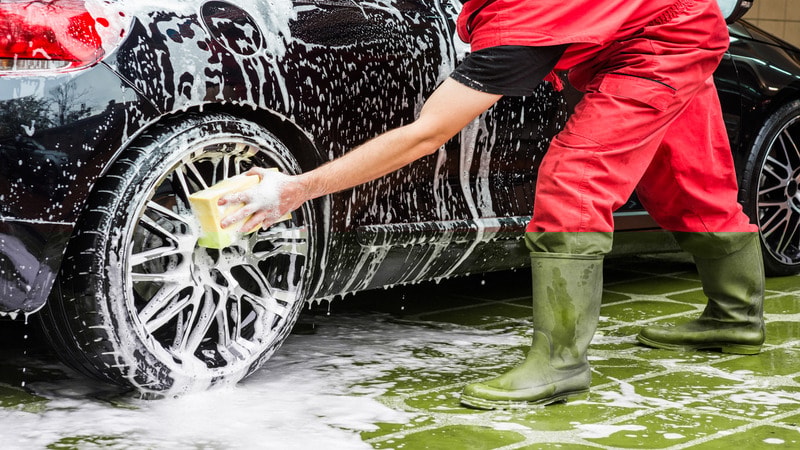
Before polishing, it is essential to clean the car completely. Any dirt, grime, or bird droppings left on the surface can scratch the car’s paint during polishing. Begin by washing the car with a high-quality shampoo using a microfiber wash mitt, to remove surface contaminants.
Next, rinse carefully to remove all soap and debris, taking care not to use too much pressure, which could damage the vehicle’s paintwork. After washing, dry the car thoroughly using microfiber towels.
Step 2: Decontaminate the Paint with a Clay Bar
Even after washing, tiny, bonded contaminants such as industrial fallout, stubborn dirt, or tree sap on a car may remain there. It is a good idea to light spritz the surface with a clay lubricant and gently glide a clay bar across the paint.
Wipe off any residue with a microfiber towel. It allows the polishing compound to work effectively and reducing minor scratches and swirl marks.
Step 3: Inspect the Paintwork
Carefully examine the car’s paint under good light to identify swirl marks, light scratches, and deep scratches. If there are severe imperfections or damage, it may be necessary to repair the area before polishing.
Inspecting the paint helps determine whether to use hand polishing or a DA polisher. Also, it guides your choice of foam pads and polishing compounds for the clear coat.
Step 4: Choosing the Right Polish
Selecting the correct car polish is critical for achieving a showroom-quality finish. Some polishes are great for removing deeper scratches, while others are finishing polishes for refining minor scratches.
The type of paint on your car also affects the choice. Polishes should be user-friendly, whether you are polishing by hand or with a machine polisher. Following the instructions on the product ensures the best results without harming the vehicle’s paintwork.
Here’s a quick reference table for choosing the right polish and pad combination:
| Type of Car Polish | Use Case | Recommended Pad |
|---|---|---|
| Cutting Compound | Deep scratches, heavy oxidation | Wool or heavy-cut foam |
| Medium Polishing Compound | Light scratches, swirl marks | Medium-cut foam |
| Finishing Polish | Minor scratches, enhancing shine | Soft finishing foam |
| Swirl Remover | Small swirl marks, surface haze | Soft foam or microfiber pad |
Using the correct combination produces a consistent shine across the entire car.
Step 5: Polishing Techniques
Begin by applying a thin layer of polish to your foam pad. Work in small sections, roughly 2×2 feet, to ensure even coverage. Use a circular motion with low speed and even pressure, making sure not to press too hard, which can damage the clear coat.
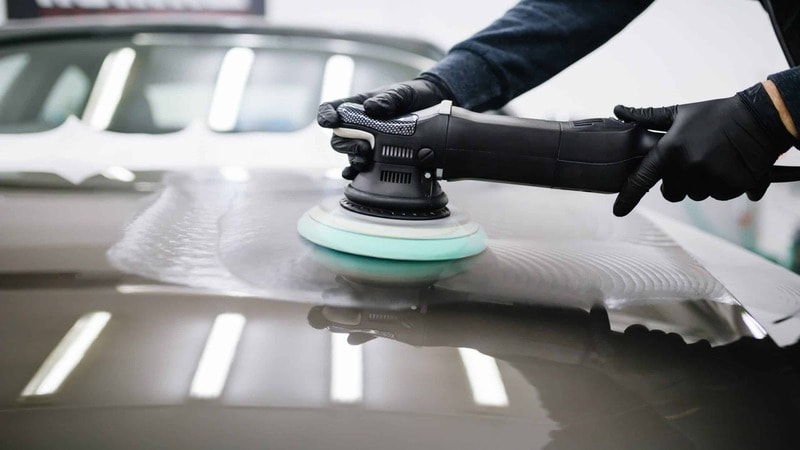
For beginners, hand polishing is safe and allows more control. For larger areas, a dual action (DA) polisher works efficiently and produces a consistent finish.
Keep the polishing pad moving to avoid overheating the paint and creating new swirl marks. For black cars, specialized polishes can enhance color depth and produce a more reflective, glossy finish.
Step 6: Buffing the Surface
After polishing each section, buffing reveals the final shine. Use a soft microfiber towel to gently remove any haze and excess polish.
Inspect the section under both direct sunlight and shade to ensure the entire surface has even coverage. Buffing is essential for enhancing the vehicle’s paintwork and achieving that showroom finish.
Step 7: Repeat if Needed
Some areas may require attention, especially where light scratches or swirl marks remain. Apply a swirl remover or rubbing compound using light pressure and thin layers.
Repeat the process only where necessary to avoid polishing the same spot again and again. This ensures the paint stays smooth while achieving maximum clarity and depth.
Step 8: Apply Finishing Polish and Protect the Paint
A finishing polish adds clarity and brilliant shine to the vehicle. Apply it using a clean foam pad in small circular motions across the entire car.
After polishing, follow up with wax or sealant to protect the vehicle’s paintwork and maintain a long-lasting shine. Using a car cover can help preserve the finish, keeping dust and contaminants off the surface.
With little effort you can restore your car’s paintwork to a professional, showroom-quality finish right at home.
Safety Precautions
Polishing a car is simple, but the right safety steps protect both you and the vehicle’s paintwork. Keep these points in mind before you begin:
- Polishing compounds and machine splatter can irritate your skin and eyes. Wear gloves and eyewear for basic protection.
- Loose dirt or small debris can drag across the surface and scratch the clear coat. So, try to keep the area clean.
- Ensure proper ventilation. Polishing products release mild fumes, so choose an open, airy space for a more comfortable experience.
- Check your pads and towels. Dirty foam pads or microfiber towels can leave new swirl marks, so always start with clean tools.
- Avoid too much pressure. Pressing hard with a pad or machine creates heat and may damage the vehicle’s paint, so use steady, light pressure.
These simple steps help you polish safely while keeping the car’s paintwork smooth, clean, and ready for a flawless shine.
Advanced Polishing Techniques
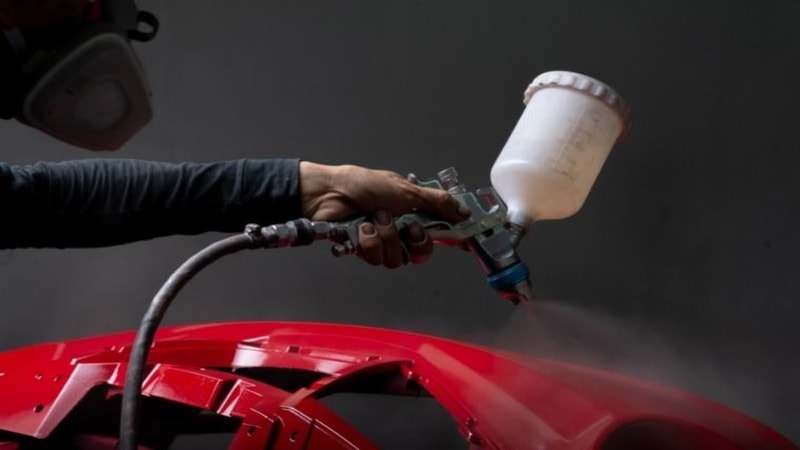
Advanced polishing methods can help you correct deeper flaws and bring out a richer gloss. These techniques require more attention, but they dramatically improve the finish.
- Use a polishing compound to remove scratches and imperfections. It helps level the clear coat just enough to erase minor surface defects and restore clarity.
- Apply a thin, even layer of polish while working in small, controlled sections. This prevents streaks, ensures consistency, and helps you maintain full control during correction.
- Use a black foam pad to apply wax or sealant for added protection. This final step locks in shine, gives long-lasting gloss, and protects the paint from UV rays and contaminants.
- Use a rotary or dual action polisher for advanced correction. These tools paired with the right pads and compounds, handle tougher imperfections that usually require a bodyshop visit.
Conclusion
Follow each step carefully, and choose the right products, to achieve professional detailing. With time you will understand, how different polishes behave, and what your car needs for a smooth, even finish.
Make sure to pay attention to the condition of your paint before every polishing session. Stay consistent. Maintain the finish with regular washing, occasional claying, and timely polishing. And if you fail to get desired result, don’t hesitate to consult a professional detailer.
Bring Out the Best Shine with Manywell
If you want an easier polishing process and a smoother finish, try Manywell car care tools. Their supplies help you clean, polish, and protect your car with less effort and better results. Contact us for a clean surface, an even shine, and a finish that lasts.