

Microfiber mops clean floors fast. They hold particles, dust and dirt well with superior absorbency. People use microfiber mops in 70% of homes for household cleaning. You won’t believe it, but these mops can last up to 200 to 500 washes with proper care.
In this article, we will share factors affecting the lifespan of microfiber mops. Additionally, you will also get tips to extend the lifespan. Let’s get started!
How Long Microfiber Mops Typically Last
The lifespan of microfiber mops depends on how they are used and cared for. Usage, washing habits, and the type of cleaning tasks all matter. Regular maintenance helps keep mops efficient and safe for daily cleaning.
General Lifespan Ranges
- Home use: Microfiber mops usually last 6 to 12 months. They face less dirt, dust, and heavy contamination. Proper washing and drying help extend their life.
- Professional use: In commercial facilities, microfiber mops last around 3 to 6 months. Daily use in high traffic areas causes faster wear.
- High-quality commercial microfiber mops: Commercial-grade microfiber, can last up to 500 wash cycles. These mops are specifically designed for frequent use, effective cleaning, and preventive maintenance.
Disclaimer: Lifespans vary based on usage frequency, washing habits, and storage. Harsh chemicals, high heat, or poor technique cut time short. Follow tips like air dry, rotate mop heads, and avoid fabric softeners to hit the upper ranges.
Key Factors Affecting the Lifespan of Microfibre Mops
The lifespan of microfiber mops depends on daily use and care. Good maintenance helps cleaning staff keep tools clean and efficient. It also saves money and supports operational efficiency in hotel operations.
1. Fiber Quality & Manufacturing Process
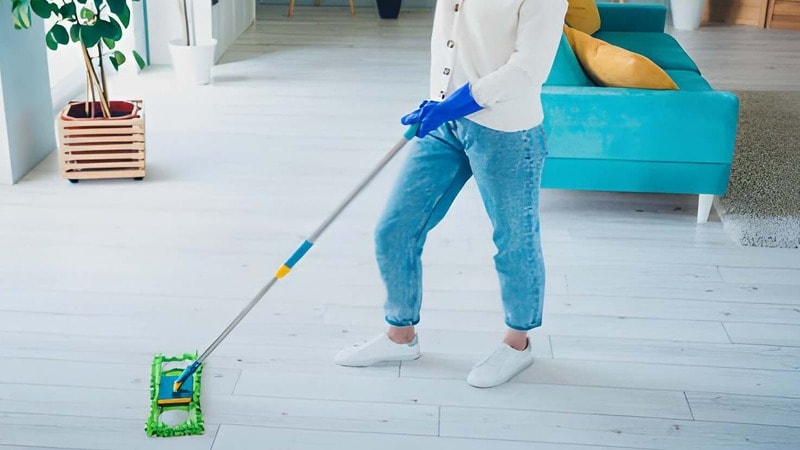
Fiber quality sets the foundation for durability. Density, measured in GSM (grams per square meter), tells you how robust the microfiber is. Mops with 300+ GSM resist flattening under pressure and fraying from repeated use.
Yarn twisting locks fibers together for strength. Split microfiber has tiny fibers that split into eight strands. This helps in grabbing 7x more dirt than non-split types. It stays effective longer in tough spots. Non-split works fine for light tasks but wears faster.
Brands like Manywell’s excel here. They use premium split microfiber in microfiber flat mops, string mops, and mop heads. Result? Mops last 2-3x longer than cheap imports.
You can easily test quality. High-end ones feel thicker and snap back after squeezing. Invest in them for cost effective cleaning over time.
2. Frequency & Type of Usage
How often and how hard you use mops directly impacts wear and tear. Frequent use in daily cleaning routines builds up stress on fibers. Heavy duty cleaning (like scrubbing kitchens or industrial cleaning) wears them 50% faster.
High-grit environments add abrasion. Sand, grit, or dust from garages grinds fibers down quickly. Match the right mop to cleaning needs. Use microfiber pads for delicate floors, flat mops for tile, and heavy-duty string mops for outdoors.
Tip to extend lifespan: Rotate mop heads and mop pads weekly. Label them A, B, C and swap to distribute wear evenly. Track usage frequency and rest mops 1-2 days between heavy jobs. This keeps the mop’s effectiveness strong and cleaning performance consistent.
3. Washing & High Heat
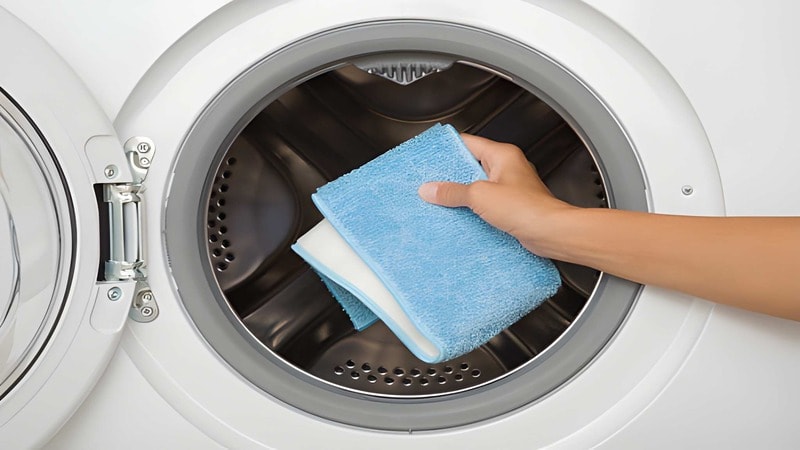
How you are washing your mop head makes or breaks microfiber. Always wash in cold water (under 40°C, never over 60°C) with mild detergent or gentle detergent. Hot water shrinks fibers and fades cleaning ability.
Avoid fabric softeners at all costs. They coat micro-channels, clog them, and damage microfiber. This kills superior absorbency and causes lint transfer to towels, other fabrics, or clothes. Wash microfiber mops, towels, and cloths separately to prevent cross contamination.
Machine drying is not a safe option. Avoid high heat or low heat settings as they melt fibers. Air dry instead. Furthermore, shake out excess water, then hang in a well-ventilated area. Full dry takes 4-6 hours but preserves durability.
Step-by-step wash routine:
- Rinse mop heads under cold water right after use.
- Soak in a mild detergent solution for 10 minutes.
- The machine washes on a gentle cycle.
- Air dry fully before storing.
Proper care here can significantly extend the lifespan by 200+ washes.
4. Harsh Chemicals
Harsh chemicals act like acid on microfiber fibers. Strong bleach breaks down the polyester-polyamide blend. Acidic cleaners etch surfaces. On the other hand, harsh disinfectants stiffen fibers, reducing flexibility and cleaning performance.
Examples: Ammonia-based sprays or undiluted vinegar damage microfiber fast. They also release trapped dirt, harming mop pads over time.
Switch to eco-friendly microfiber cleaning products. Dilute all-purpose cleaners (pH 6-8) and test on a small spot first. Rinse mops after chemical use to flush residues. This keeps them clean and ready for household cleaning or car detailing without early wear.
5. Floor Type & Dirt Level
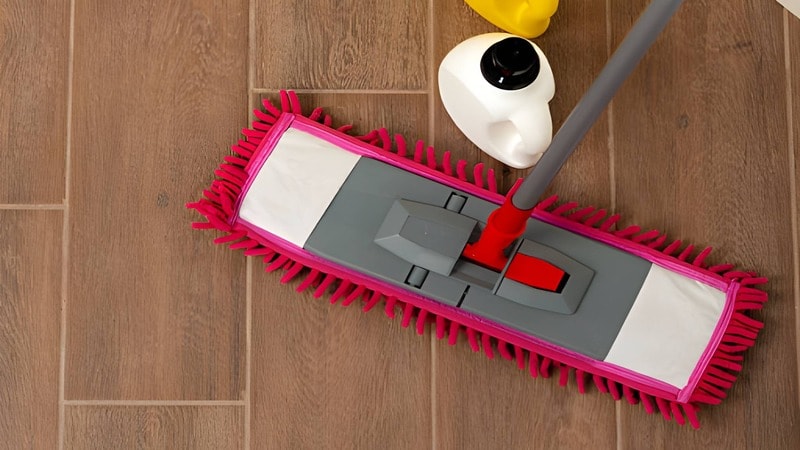
Surfaces dictate friction levels. Usually, textured tiles, concrete, or outdoor patios grind fibers 3x faster than smooth laminate or hardwood. Dirt level amps this up—gritty mud or construction dust accelerates signs of wear.
In dusty areas, pre-sweep to remove loose particles. For rough floors, pair microfiber flat mops with protective glide strips.
Quick check: After 10 uses, inspect for visible damage like bald spots or thinning. Key indicators include reduced absorbency or poor cleaning efficiency on known stains.
6. Storage Conditions
Bad storage invites trouble. Damp spots breed bacteria, odors, and fiber breakdown. Also, mops left wet develop mildew and weakens structure. Direct sunlight UV-rays fade colors and brittle fibers.
Dry fully, then hang vertically in a cool, dark cupboard with proper airflow. Use breathable bags for microfiber cloths and pads to prevent dust buildup.
In humid climates, add silica packs to storage bins. Proper storage extends the lifespan. It avoids 80% of moisture-related wear, keeping mops fresh for effective cleaning.
7. Mopping Technique

Technique controls friction and pressure. Overpressure—pushing too hard—doubles wear rate by crushing fibers. Wrapping mops too tight around handles strains seams.
Use sweeping motions with minimal downforce. Let the mop’s effectiveness and superior absorbency do the work. For flat mops, glide forward-back. Moreover, for string mops, figure-8 patterns lift dirt without grinding.
Train your cleaning routine. Demo videos show ideal pressure (mop glides effortlessly). Rotate tools like microfiber towels for spot-cleaning to distribute wear evenly. Good habits significantly extend the lifespan during frequent use.
8. Quality of Mop Backing / Stitching
Mop backing and stitching bear the brunt of stress. Cheap Velcro or glue backing peels after 50 washes. Thin stitching snaps under heavy duty cleaning.
Manywell reinforces stitching with double-stitched seams and scrubber. This holds mop heads secure even after 500+ uses.
Regularly inspect the tug edges for looseness. Durable construction boosts overall lifespan, making mops a smart, cost effective cleaning tool.
Master these key factors, and your microfiber mops will outlast expectations. They vary based on usage frequency and care, but proper maintenance plays a crucial role.
Practical Tips to Extend Microfiber Mop Lifespan
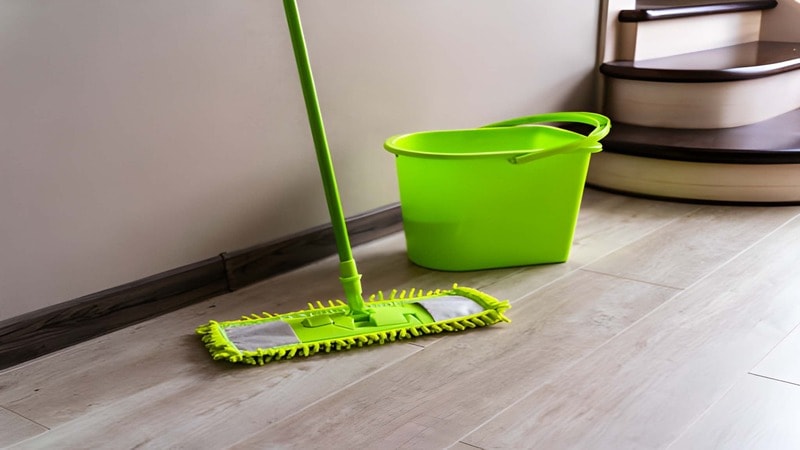
Microfiber mops deliver top cleaning efficiency when you treat them right. These actionable tips tackle key factors affecting the lifespan of microfiber mops. Follow them to significantly extend the lifespan during household cleaning or heavy-duty cleaning.
- Wash separately from towels and other fabrics. This prevents lint transfer and cross contamination. Use cold water with mild detergent or gentle detergent. Never use fabric softeners that clog fibers and damage microfiber.
- Skip high heat and low heat settings. Air dry in a well-ventilated area instead. Complete drying stops bacteria growth and keeps superior absorbency strong.
- Rotate mop heads and mop pads weekly. Label them by color for different zones—kitchen, bathroom, garage. This distributes wear evenly and reduces damage from specific dirt or abrasive surfaces.
- Dry completely before storing. Shake out excess water, then hang upright away from direct sunlight. Proper storage in a cool spot preserves cleaning performance and fibers.
- Pick the right mop for each task. Use microfiber flat mops for floors and string mops for corners. Matching cleaning needs cuts wear and boost the mop’s effectiveness.
When to Replace a Microfiber Mop
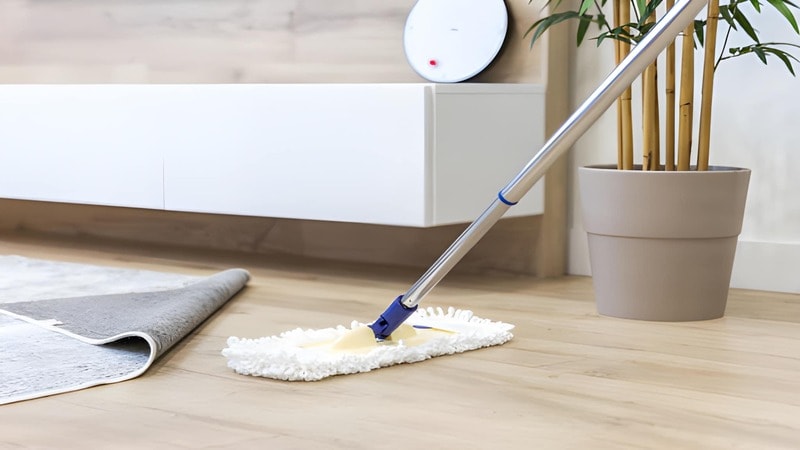
Even with proper maintenance, microfiber mops reach their end. Watch for these key indicators of wear. Replace them to keep effective cleaning and avoid spreading dirt.
- Fiber thinning: Run your hand over the mop head. Thin spots mean reduced durability and cleaning ability.
- Reduced absorbency: Test with water. If it no longer holds particles or soaks up spills well, superior absorbency has faded.
- Odor retention: Lingering smells after washing signal bacteria buildup. No amount of cleaning routine fixes this.
- Visible fraying: Frayed edges or split microfiber show signs of wear. They scratch surfaces and drop cleaning efficiency.
- Loss of electrostatic attraction: Dust no longer clings during dry use. This marks the end of the electrostatic magic that makes microfiber shine.
Regularly inspecting catches these issues early. Swap out worn mop heads to maintain overall lifespan benefits. Fresh ones ensure your cleaning tool stays cost effective and eco-friendly.
Conclusion
Microfiber mops last longer when they are used and cared for the right way. Proper washing, gentle handling, correct storage, and smart rotation protect the fibers.
These small habits preserve absorbency, cleaning efficiency, and overall durability.
Explore Durable Microfiber Mop Heads from Manywell
Manywell’s microfiber mop heads are designed for high durability and strong absorbency. They resist fiber breakdown and deliver consistent cleaning performance on every floor.
Contact Manywell for reliable cleaning tools. It will save time, reduce replacement costs, and support professional-grade result