

For many businesses, low-cost cotton supplies seem like the most economical option. However, in practice, the purchase price alone doesn’t reflect the true cost. In B2B, factors such as durability, chemical consumption, and hygiene performance all affect cost per use.
Microfiber cleaning cloths outperform cotton in these areas and serve as cost-effective options. This guide explains how microfiber saves costs and what to consider before bulk buying.
Why Do B2B Enterprises Choose Microfiber Cleaning Products?
Large-scale businesses often happen to overlook the importance of cleaning supplies. Most businesses don’t realize that inefficient cleaning tools are affecting their profit. Here is why buying microfiber cleaning products can help B2B companies;
Reduced Operational Costs
Investing in microfiber products may cost more at first. However, in longer run, service life also lowers the replacement cost over time. High-quality microfiber cloths can withstand upto 300 – 500 washes.
Unlike cotton substitutes, which lose about 41% of their strength within 50 washes. Hence, the frequency of reordering new cleaning cloths decreases.
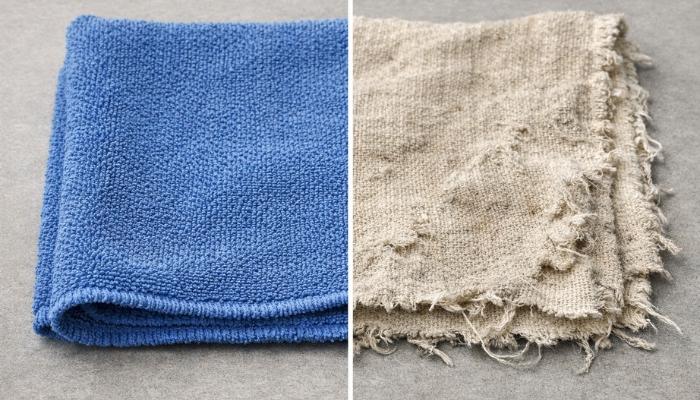
In commercial cleaning, microfiber performs better than cotton while using fewer cleaning chemicals. When the chemical usage of both cotton and microfiber cloths was compared, it was found that;
- Cotton cloth of a standard size results in the chemical usage of $1.32/day
- Microfiber cloth, on the other hand, significantly dropped the chemical usage to $0.055/day.
For large-scale facilities, these day-to-day savings can add up across multiple cleaning cycles.
Enhanced Cleaning Efficiency
With ultra-fine fibers per square meter, microfiber cloths have an extensive surface area. This large surface area enhances the dirt-picking capacity and absorbency of microfiber towels. Thereby, increasing the overall cleaning efficiency.
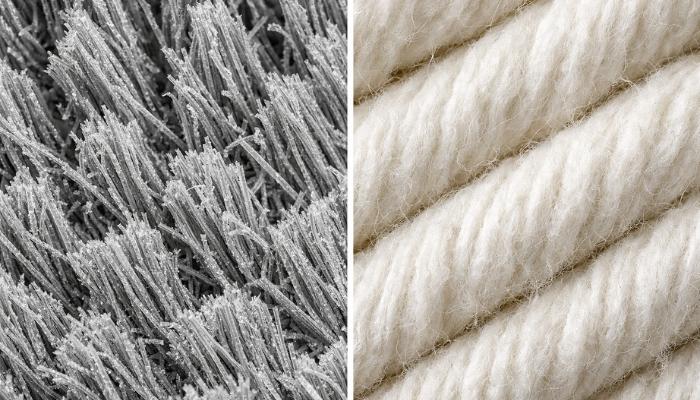
Polyester sits at the bottom of the triboelectric series. So, it acquires a negative charge by accepting electrons. In contrast, polyamide often loses electrons and becomes positively charged. When these fibers rub together, an electrostatic charge builds up on the surface.
This charged surface attracts the dust, dirt, grime, and grease through the coulomb force. This magnetic behavior makes microfiber mops clean faster than a normal cotton cloth.
Compliance & Hygiene Assurance
For hygiene-sensitive areas like hospitals, microfiber cloths can support effective contamination control. In contrast to cotton, it reduces the likelihood of cross-contamination between surfaces. Microfiber lowers the spore transfer(such as C. difficile) to subsequent surfaces. In laboratory testing, microfiber cloths have proven to lift about 98% of viable microbes in a single swipe.

Upgrading to microfiber can help such businesses reduce the risk of cross-contamination. With proper cleaning protocols, microfiber may assist in complying with the hygiene standards.
Surface Protection
In cotton vs microfiber, prefer the latter as a non-abrasive cleaning material. The soft fiber structure of microfiber reduces the risk of scratches and wear. Hence, microfiber fabrics are suitable for cleaning sensitive surfaces.

How Microfiber Is More Cost-Effective for Businesses?
Upgrading to microfiber products demands a higher upfront cost than cotton cleaning cloths. This difference makes businesses reluctant to make the switch. However, a microfiber system recoups this initial investment through savings in other areas. Here’s how microfiber is a smarter investment in the long run for B2B businesses;
Lower Cost Per Use
Microfiber cleaning cloths carry higher unit costs. Yet, their cost per use is lower because their lifespans are longer than cotton cloths. For B2B setups, this lower total cost of ownership is often more valuable than the initial price.
Reduced Chemical Usage
Microfiber fabric works on a mechanical-based dirt removal. Whereas cotton cloths depend on chemical-based dissolving. The aesterik-like cross-sections of fibres scrape off the dirt from the surface. Then, cross-sections lock the small particles into capillary channels. This locking prevents the dirt, grease, and dust from smearing back on the surface.

Additionally, the static magnetism further works synergistically to amplify the cleaning. This dual cleaning action requires less chemical input and reduces the chemical costs.
Labour Cost Reduction
With high-efficiency cleaning tools, your cleaning experts can complete their daily tasks faster. This efficiency, in turn, enhances the output per labour hour. This time-on-task reduction improves productivity and supports labour cost rationalisation.
Microfiber Procurement: Buying Checklist for B2B Enterprises
For a business, sourcing microfiber in bulk is a capital-intensive investment. Thus, handle it with care to minimise financial risk and improve return on investment. In this section, we have elaborated on the key factors you must focus on before finalising the vendor.
Select Types of Microfiber Based on Industry Scenarios
Not all types of microfiber cloths have the same technical specifications and performance. Every industry has different cleaning requirements and protocols. Thus, first identify what kind of products and specifications your business needs.

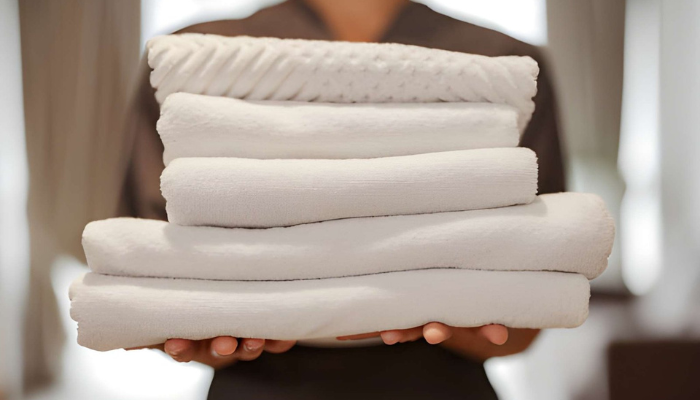
Hospitality
This industry should opt for skin-friendly and highly absorbent microfiber towels for guests. Microfiber cloths with a GSM of 300 – 400 can provide adequate absorbency for hospitality use. Find high-quality cloth with split fibers and a tight waffle weave to avoid streaks.
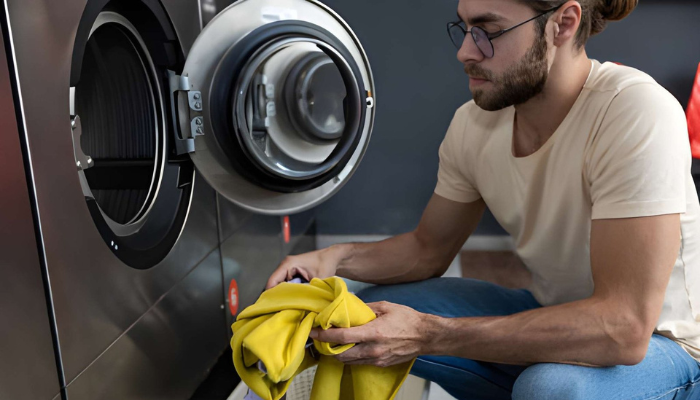
Healthcare
Healthcare industries can select disposable microfiber for high-risk areas. For patient-zone cleaning, choose high-denier microfiber cloths that can withstand harsh usage.
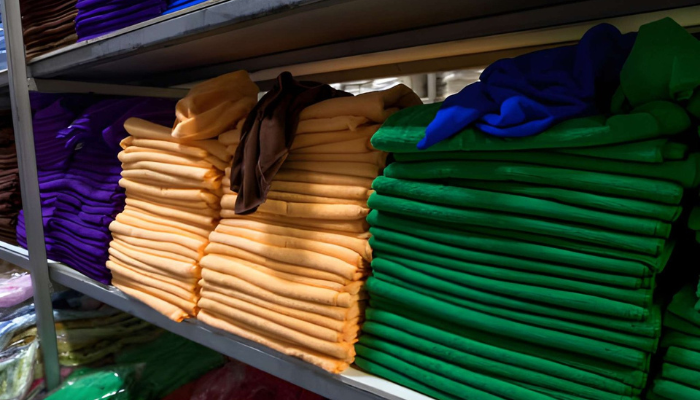
Cleaning Service Companies
This industry requires microfiber products that can accommodate multiple usage scenarios. Choose cloth with 200 – 350 GSM for day-to-day stain removal and 350 – 500 GSM for detailed interior cleaning.
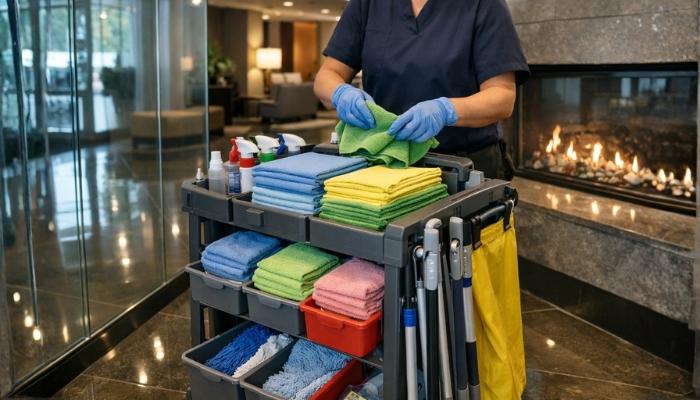
Manufacturing/Industrial
Choose microfiber with high-density and split-fiber properties that may be abrasion-resistant. Prefer the variants that are lint-free and gentle to the equipment surfaces.
Essential Core Parameters
Because B2B companies buy in large quantities, even a minor mistake can raise costs over time. This section outlines the key parameters to watch for to avoid buying poor products.
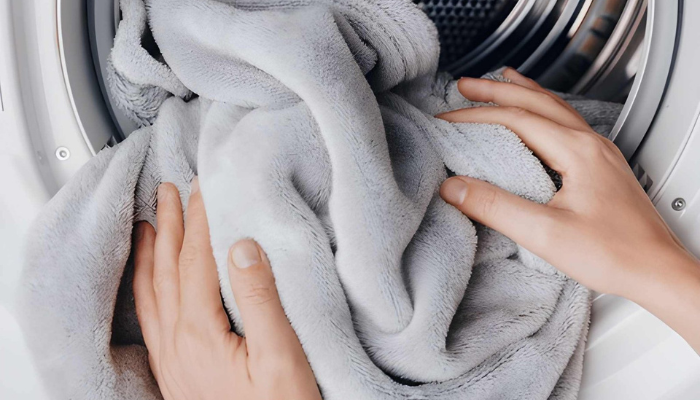
Fiber Composition & Splitting Degree
A fiber blend of 80% polyester and 20% polyamide is considered well-balanced. Also, choose microfiber cloths with orange-peel splitting for better water absorption.
Weight & Density
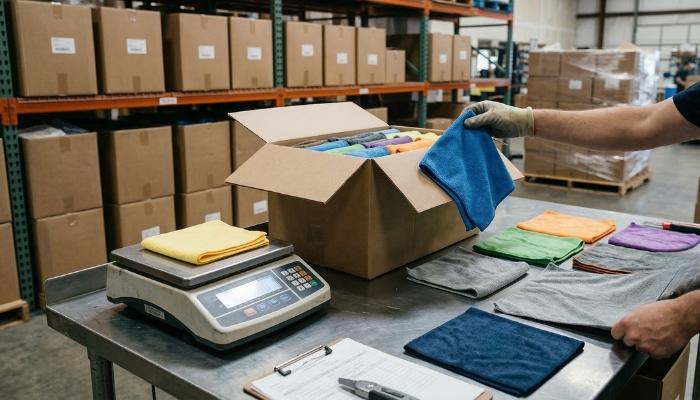
For commercial scale use, select microfiber cleaning cloths weighing 300-600 g/㎡. Also, conduct on-site checks to verify the weight accuracy.
Environmental Compliance
Look for products that meet industrial standards like GB/T 22864 and FZ/T 62033. Prioritize formaldehyde-free and eco-friendly products to prevent secondary pollution.
Common Pitfalls in B2B Microfiber Cleaning Product Purchase
When partnering with a microfiber products supplier, review all the key details. Overlooking even a single critical detail can lead to lower return on investment. This section explains the common factors businesses overlook when procuring reusable microfiber cloths.
Focusing on Price Only
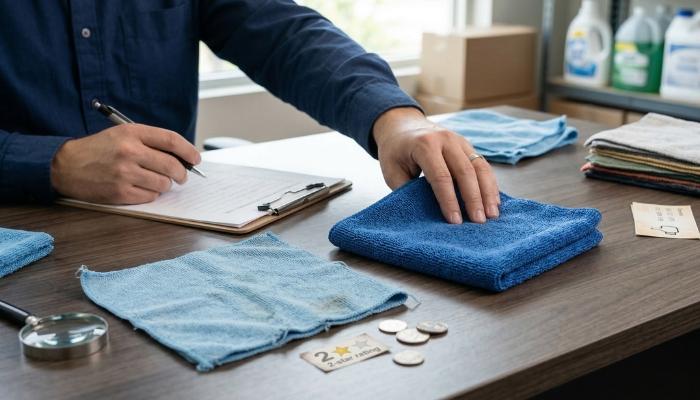
Low-cost material incurs a lower first cost, but doesn’t deliver the claimed results. Therefore, you must choose high-quality options with the optimal polyester and nylon ratio.
Prioritising Appearance
Another mistake buyers make is focusing only on appearance. They often do not consider the weight and durability. Such mistakes result in frequent, costly replacements.
Ignoring Industrial Compatibility
Businesses also often overlook the compatibility of the products with their industrial needs. For instance, food facilities require mops that dry quickly and don’t cause lint. On the other hand, hospitals require mops that don’t retain moisture and microbes.
Skipping Sample Testing
Before placing a large order, buyers should request samples to evaluate them. This testing can verify whether the products can withstand the expected usage conditions. Furthermore, you should also verify parameters like absorbency, delicate surface safety, cleaning effectiveness, and laundering performance before full-scale procurement.

FAQs
How to determine the appropriate GSM for our operations?
The GSM required for a cleaning task depends on the surface type and frequency of use. Towels with lower GSM may be preferred for gentle polishing and cleaning. Meanwhile, higher GSM can be preferred for heavy-duty operations.
How to choose the right microfiber products?
Every microfiber material differs in split fiber composition, weight, weave type, and GSM. To choose the right quality microfiber, you must identify the type your setup needs. Then select the product that may be able to cater to those needs.
What are the key considerations for selecting the ideal supplier?
Choosing the ideal supplier is a critical step to ensure a steady supply of products in the future. You must require a supplier to provide composition test reports and compliance certificates. Furthermore, you must first confirm the quality through sample testing. Lastly, clearly state your damage compensation terms to avoid future issues.
How to wash the microfiber cloths?
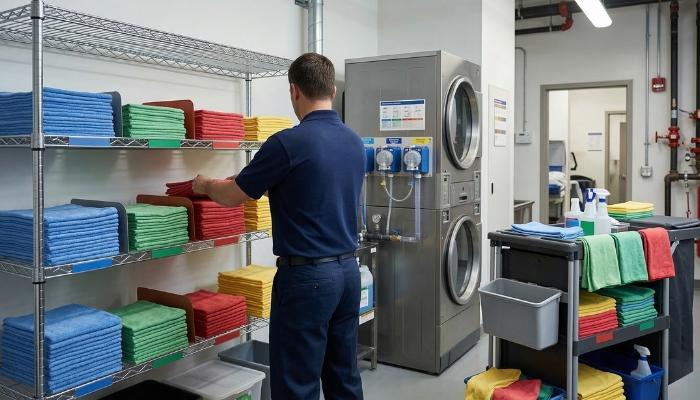
Wash with plain water or mild detergent to protect their tightly woven fabric. The addition of fabric softener should be skipped, as it can cause stiffness. After washing, they can be air-dried or tumble-dried.
Conclusion
In B2B settings, cost is the primary deciding factor behind making any upgrade to the system. To many businesses, switching to microfiber products may seem like a huge investment. However, they don’t know that choosing microfiber is equivalent to long-term profitability. Apart from providing ROI, microfiber is also more suited for delicate surfaces. So, preferring microfiber cleaning supplies over cotton ones is a win-win situation.
Stock Up on High Quality Microfiber Supplies at Wholesale Prices with ManyWell®!
ManyWell® is a B2B manufacturer of high-quality and durable microfiber cleaning products. Our expertise lies in wholesale, private label, and OEM/ODM projects. We support businesses searching for reliable products and large-scale production for cleaning supplies.
Businesses around the globe trust us as their trusted supplier for high-quality products. If you are evaluating products, our team can help you decide which will suit your needs. Contact us today and get your hands on the samples.