
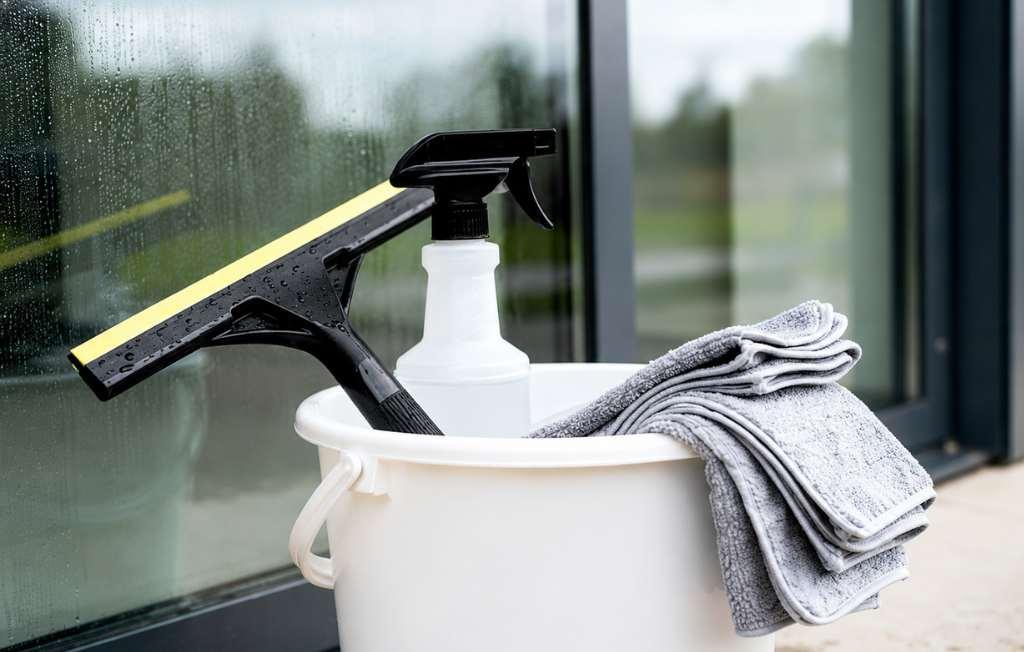
Nothing feels worse than taking time out of a busy day to clean, only to see streaks still sitting on the mirror.
For retailers, car care brands, and hotels, this matters even more. If the glass still ends up looking dirty, it may come at the expense of losing customers.
The problem is not always the glass, though. It is often the cloth, and factors like the weave, the GSM, the edge finish, and how you use it may matter more than you think.
In this guide, we’ll look at cleaning glass with microfiber cloth, how to clean glass with no streaks, and which cloth works best.
Why Do Streaks Stay on Glass After Cleaning?
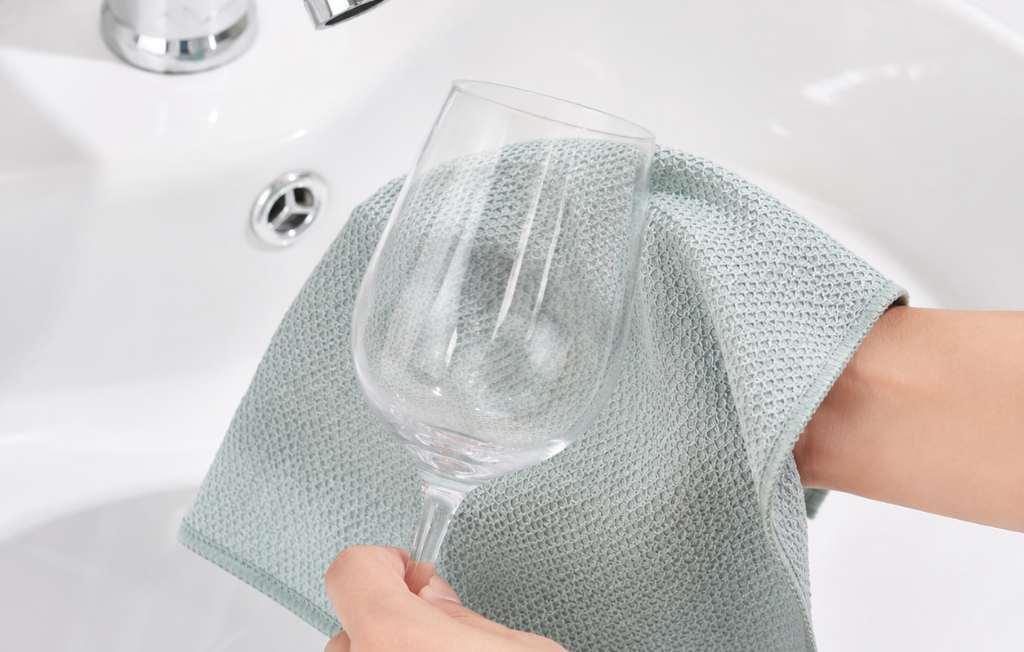
A speck of dust can look much more noticeable on glass. And when you spot a layer of dust building up, do not rush to wipe it away with paper towels. They often leave lint, streaks, or smudges behind.
But what if you are already doing everything right? You use warm water, follow the recommended cleaning methods, and try products like lint-free glass cleaning cloth that promise streak-free results, yet the glass still does not look clean.
There are a few common reasons why this happens.
Using Tap Water Instead of Distilled Water:
Hard water that comes out of taps contains minerals like calcium and magnesium. When it dries, the minerals can leave limescale behind. It’s truly no rocket science. This often gives glass that chalky or cloudy look, especially if you use tap water too often.
Using distilled water diluted with vinegar is usually more than enough to get rid of hard water scale.
Using Too Much Cleaning Product:
Using a lot of chemicals or even vinegar water in excess is never a good idea. When you use too much product, a lot of residue will likely be left behind.
And when exposed to the sun, not only will the product dry fast, but it will also leave streak marks all over your glass surfaces.
Using Fabric Softeners:
Speaking of chemicals, steer clear of using fabric softeners for your cleaning cloths. As it can coat the fibers, making its absorption and lint-picking performance inefficient.
Wrong Wiping Cloth:
If you are using old cotton rags, an old T-shirt, or paper towels to clean a window or mirror, do not be surprised if the result is not perfect. These materials are not made with fine, soft fibers that can lift dust, hold water, and polish glass properly.
Old Microfiber Towel:
Even a good microfiber cloth for glass has a life. After years of washing, grease, dirt, and heat, the fibers stop working the same way. Once it starts leaving marks, it is no longer helping you clean glass.
That is why the best cloth for cleaning glass is not just any cloth. It needs to be soft. It needs to hold water. It needs to lift dust without leaving anything behind.
Wrong GSM for Cleaning Glass with Microfiber Cloth
GSM is basically how many fibers are packed per square meter of the microfiber fabric. People tend to assume that since high GSM means more fabric packed together, and feels plushy and soft, it must be the best choice out there. Wrong.
GSM for microfiber is assigned according to how you intend to use it. Cars are more prone to scratches than window glass. Thus, cleaning cloths for both can’t be used interchangeably.
For most microfiber glass cloths, 250 to 320 GSM is a good range to stay in.
Lower GSM cloths feel lighter and are easier to squeeze out. But this could come at the expense of good absorption. Higher GSM cloths can hold more water, but they also need proper drying or they may leave marks.
Why Microfiber Is the Best Choice for Cleaning Glass
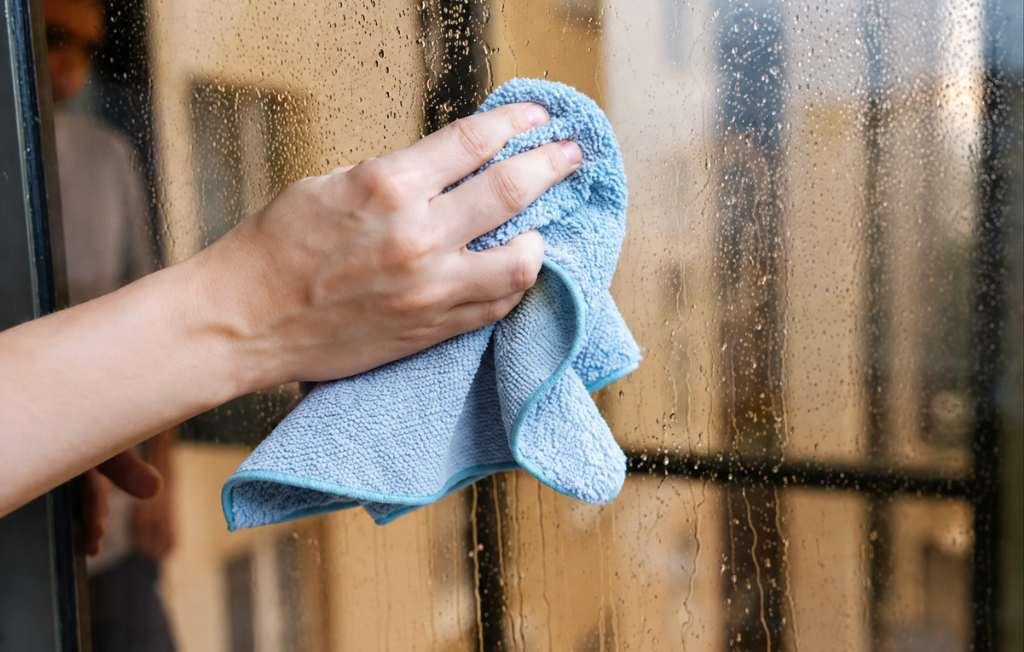
Microfiber works well on glass because it cleans gently but still picks up the mess properly. It makes the job a lot easier, especially on surfaces where every small mark shows.
- Windows: Cleaning windows, especially with the best microfiber cloth for windows, can lift dust, water, and light grime without needing heavy scrubbing.
- Mirrors: It helps remove fingerprints, soap marks, and cloudy patches without leaving lint behind.
- Shower/Bathroom glass: It works well after a bucket wash or light spray, especially when soap residue starts building up.
- Car glass: It is soft enough for smooth wiping and helps reduce marks after using a squeegee.
- Glass tables and doors: It lets you clean glass without paper towels, so there is less lint, less waste, and a cleaner finish.
What Microfiber Cloth Should I Use To Clean Glass?
High-quality microfiber is always better because glass does not forgive poor fabric. The wrong cloth can leave lint, push water around, or make clean glass look dirty again.
For the best result, use two cloths. Use one slightly damp microfiber towel to remove dirt, then one dry cloth to polish. This works well for home use, hotel cleaning sets, retail packs, and bulk orders.
If you want to know how to clean windows without streaks, the cloth type matters as much as the cleaning method.
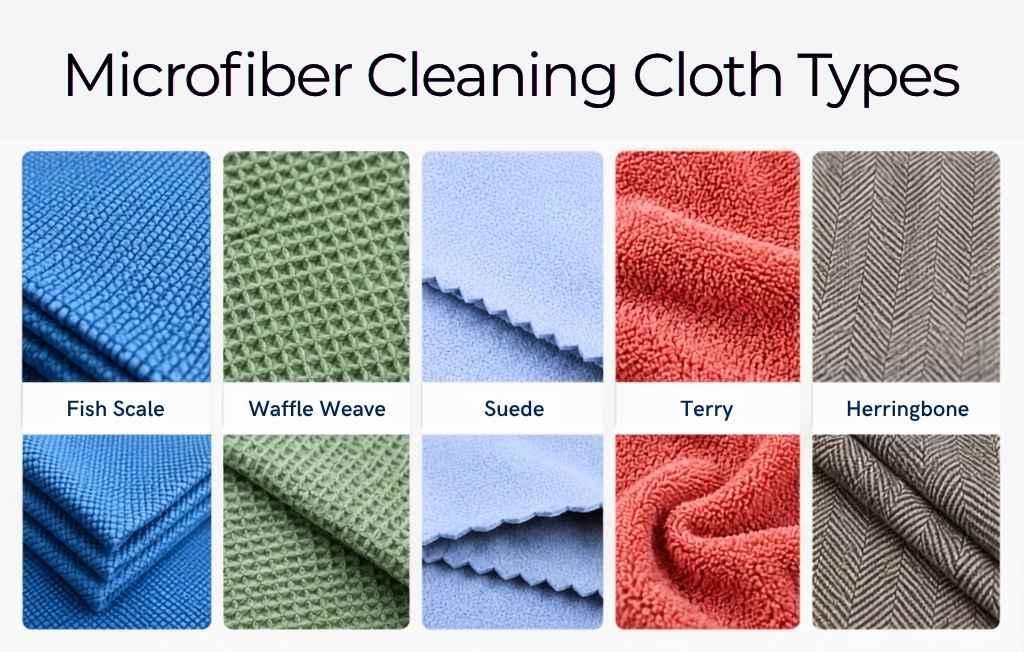
| Fabric Type | Best Used For | Main Strength | Best For Buyers |
| Fish scale microfiber cloth | Windows, mirrors, car glass, shower doors | Best for polishing and streak-free glass finish | Home kits, car care brands, retail packs, hotel supplies |
| Waffle microfiber cloth | Wet glass, shower glass, first cleaning pass | Holds more water and removes heavier dirt | Cleaning distributors, housekeeping sets, commercial use |
| Suede microfiber cloth | Screens, lenses, coated glass, delicate glass | Very smooth and gentle | Electronics brands, optical kits, private label packs |
| Terry microfiber cloth | Dry dusting before glass cleaning | Picks up loose dust well | General cleaning bundles, janitorial packs |
| Herringbone microfiber cloth | Glass, stainless steel, smooth hard surfaces | Stable weave, neat wipe path, good for controlled cleaning | Retail glass cloth sets, hotel and facility cleaning |
For daily glass cleaning, fish scale is usually the best final polishing cloth. Waffle works better for the first wet wipe. Suede or flat velour is better for coated glass, screens, and lenses.
Terry and loop pile are useful for dusting, but they are not ideal as the final microfiber cloth for mirrors or windows.
Microfiber Glass Cleaning: Standard 5-Step Streak-Free Guide
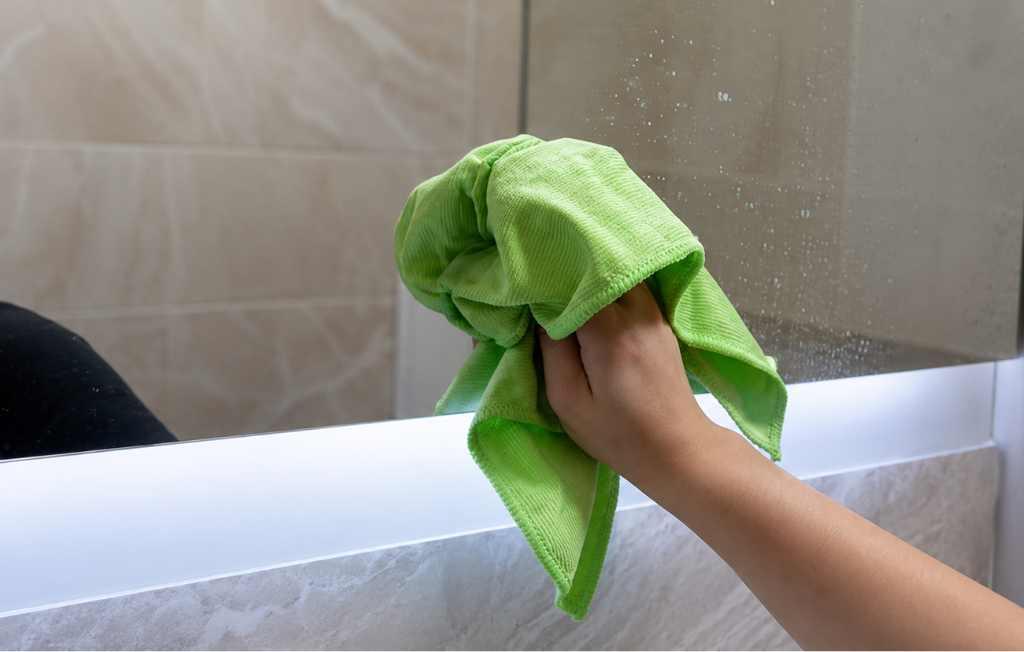
Now the fun part: Cleaning the glass spotless. By the end of this 5-step cleaning guide, you can rest assured that not a single speck of dust or any kind of residue will be left behind.
1. Pick Up Dust with a Microfiber Towel
First, use a clean, dry microfiber towel. A terry towel or soft microfiber glass cloth works well here.
Wipe the glass once to pick up loose dust. Do not spray anything yet. If water and dust get combined too early, they can turn into muddy streaks.
2. Use a Damp Towel to Wipe
Now take a separate towel. Preferably, a waffle weave cloth, as it is the most absorbent. Make sure it’s damp, and not soaked. It’s great for picking up all the remaining residue on glass without leaving anything behind.
While a damp cloth alone is great, you can also choose to spray cleaning solution first on the glass to loosen the marks on it.
3. Wipe in One Direction
From top to bottom using a soft S-shaped motion. Do not wipe in circles or scrub back and forth.
Use light pressure. Let the towel and weave do the work. This simple tip can save you from pushing dirt around again.
4. Clean the Edges and Corners
Water often sits near the edges, corners, and frames. Wipe those areas properly before they dry on their own.
The same habit also helps when cleaning glass tables near countertops, where extra liquid can collect fast.
5. Polish With a Dry Towel
For this step, you can opt for a fish scale microfiber cloth, as it is best for polishing. This final wipe removes leftover moisture and gives the glass a clean finish.
A good microfiber towel picks up dust, absorbs better, and stays soft, so it is less likely to leave streaks behind.
What B2B Buyers Should Check Before Sourcing Glass Cloths
If you are buying microfiber cloths for retail, wholesale, hotels, car care, or private label, the product has to match the job you are selling it for.
You cannot market a cloth for mirrors or glass and then use any random weave or weight. Customers notice the result fast. If the cloth leaves lint, water marks, or drag lines, they will blame the product.
Choose the Right Weave
Fish scale microfiber works best for polishing glass. Waffle cloth is better when more water needs to be absorbed. Suede works well for lenses, screens, and delicate glass. Terry and loop pile cloths are better for dry dusting, not final polishing.
Check the GSM
Around 250 to 280 GSM works well for home use. For hotels, car care, and commercial cleaning, 280 to 320 GSM is usually a better range.
Look at the Edge Finish
For glass, ultrasonic seamless cutting is better than rough stitched edges. It reduces scratching risk and gives the cloth a cleaner retail look.
Match the Product to the Claim
If the label says glass cleaning towel, the cloth should actually be made for glass. The weave, GSM, edge, size, and packaging should all support that claim.
Conclusion
A good microfiber cloth can help you level up your space drastically. On glass, mirrors, cars, hotels, and daily cleaning, the difference shows instantly.
At Manywell, we manufacture microfiber cleaning towels that are built around practical use and results speak for themselves.
If you are sourcing microfiber glass cleaning cloths for retail packs, car care kits, hotel housekeeping, or private label cleaning brands. We are here to help from the scratch.
We provide OEM and ODM services, where you can customize everything from the weave, GSM, size, color, edge finish, to even logo, and packaging. We make sure to deliver every detail with precision, so your brand stays true to its identity.
Contact us today to get a quote and build a premium microfiber cloth line for your brand.