

One user on Reddit wrote:
“My laminate wood floors ALWAYS look streaky after mopping … ESPECIALLY if I go ‘against the grain’.”
Today people still believe that no type of flooring can compete with the elegance of Laminate floors. But on the other hand, the dull patches and residues leave them clueless and worried.
There are always reasons like using oil-based cleaners or not drying the floor after mopping behind those dull streaks. A simple cleaning routine, using a microfiber mop, a spray bottle, and a mild cleaning solution keeps laminate safe and looking new.
In this guide, we will share how to clean laminate floors without streaks. Furthermore, we’ll discuss the common mistakes that leave streaks on the floor.
Let’s get started!
Common Mistakes That Leave Streaks
Mistakes are part of our lives, but they always cause struggle. Cleaning a floor seems like a simple task but it’s not the case when cleaning the laminate floor. A single mistake can leave streaks and dull marks. Here are some things to avoid when cleaning laminate floors:
1. Using too Much Water
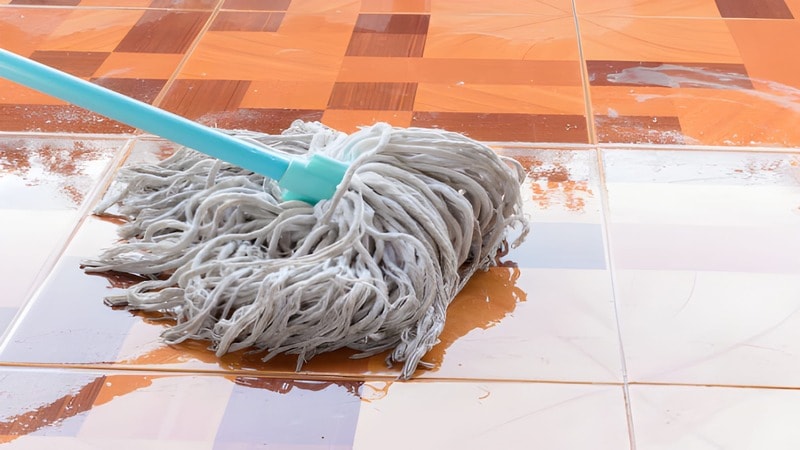
Water is not a friend of laminate floors. When you use too much water, moisture seeps into the gaps and edges. Over time, this can cause the planks to swell, warp, or lift. Always use a damp mop, not a wet one.
2. Cleaning with a Steam Mop
A steam mop might look like an easy shortcut for hardwood floors, but it’s not safe for laminate floors. The heat and moisture it release can slowly damage the surface. Over time, the boards may bubble, warp, or lose their shine.
3. Using Oil-Based Cleaners or Wax
Oil-based cleaners, polish, or wax might promise shine, but they do more harm than good. These products leave a greasy film that attracts dust and dirt. The floor may look shiny at first, but it soon turns slippery and dull.
4 Skipping the Rinse
When you don’t rinse your mop or cloth, leftover dirt and cleaning solution stay behind. This residue dries on the surface and causes streaks. Always rinse your mop well and go over the floor with clean water to keep it clear.
5. Using Harsh or Acidic Cleaning Solution
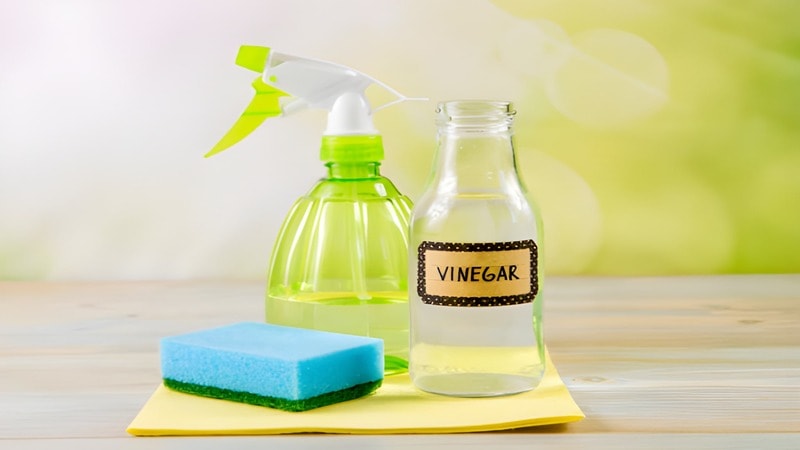
Strong vinegar, ammonia, or acidic cleaners can damage laminate floors. They strip away the protective coating and make the surface lose its shine over time. Stick to gentle, pH-neutral solutions for safe cleaning.
6. Not Drying the Floor
Letting moisture sit is one of the biggest mistakes. Standing water can leave marks, streaks, or even cause warping. Use a clean microfiber cloth or dry towel to wipe the floor right after mopping.
7. Cleaning with Dirty Tools
A dirty mop, bucket, or sponge only spreads grime around instead of cleaning it. Rinse your tools often and wring them well before using them again. Clean tools help you get a streak-free result.
8. Forgetting to Remove Dust First
If you skip vacuuming or dry mopping, dust and dirt will smear when you mop. This creates cloudy streaks that are hard to remove. Always start with a clean surface before using any liquid.
Avoiding these mistakes is the first step to keeping your laminate floors streak free.
Materials You’ll Need for Streak-Free Flooring
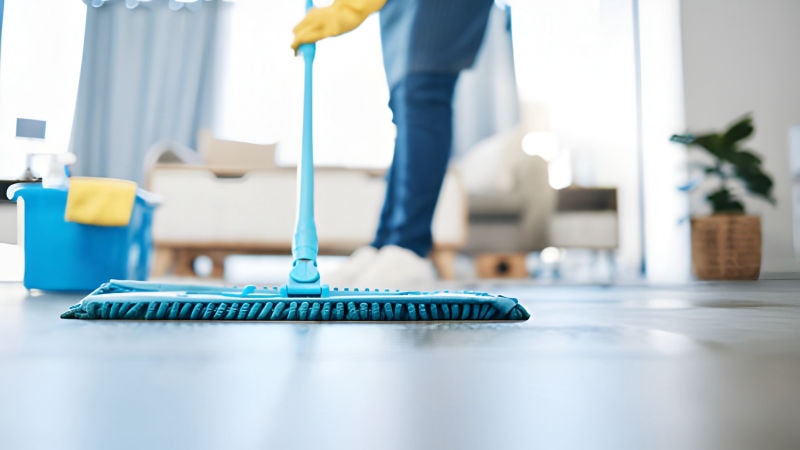
Before you start cleaning, it’s good to have the right tools ready. Using simple, gentle materials makes cleaning easier and keeps your laminate floors safe from damage. Here’s what you’ll need:
- Microfiber mop: It’s soft and safe for laminate. It picks up dust and dirt without leaving marks.
- Spray bottle: It helps you control the amount of cleaning solution, so you don’t use too much water.
- Bucket: It’s always handy for mixing plain water or a mild dish soap solution.
- Mild cleaning solution: Mix one gallon of warm water with a few drops of dish soap. Stay away from acidic cleaners and oil-based cleaners.
- Microfiber cloth or cotton towel: It’s great for drying the floor to keep it streak free.
- Vacuum or dry mop: Always try to use dry mop or vacuum before mopping to clear loose dust and grime.
- Vinegar (optional): A small amount of diluted vinegar helps with a quick deep clean or to remove grease.
Before you begin, make sure everything is clean. A dirty tool only spreads residue and makes your hard work go to waste.
Step-by-Step Guide: How to Clean Laminate Floors Without Streaks
Every type of floor needs its own care. What works for cleaning vinyl floors may not suit laminate floors. So, make sure you’re following the right steps for laminate.
Here’s an easy, step-by-step guide to help you clean laminate floors:
Clear the Space
Clearing space is one of the most important steps you should never skip. Furniture, rugs, and small items on the floor can be your biggest obstacle. If you don’t move them, dirt and dust hide under them, making the cleaning incomplete.
Pick up toys, shoes, and bags lying around. Roll up rugs and shift small furniture to one side. You don’t have to empty the room; just create enough space to move freely and reach every corner.
Remove Loose Dust and Dirt
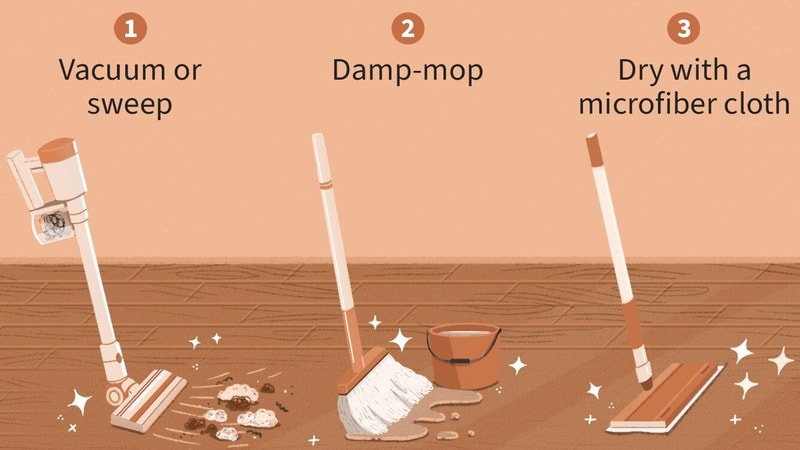
Never start mopping before removing dust. Tiny dirt particles can scratch the laminate surface when you drag your mop across them.
To avoid scratching use a vacuum cleaner with a soft brush attachment or a dry microfiber mop. Work slowly, covering the entire area. Focus on corners, under cabinets, and along baseboards. This simple step already gives your floor a complete cleaner look.
Prepare your Cleaning Mix
The right solution matters more than you think. Harsh or acidic cleaners can damage laminate flooring over time. Fill a bucket with one gallon of warm plain water. Add a few drops of dish soap and mix gently.
If you prefer a natural cleaner, mix equal parts water and vinegar in a spray bottle. This mix cuts grease and removes light stains without leaving residue.
Get your Microfiber Mop Ready
A microfiber mop is the best tool for cleaning laminate. It’s soft, absorbent, and safe for delicate surfaces. Dip the mop into your cleaning mix, then wring it well. The mop should feel only damp never wet because too much moisture is never good for laminate floors.
Too much water is a common mistake that can cause swelling or dull spots on your floor. Always remember with laminate, less water means more shine.
Work in Small Sections
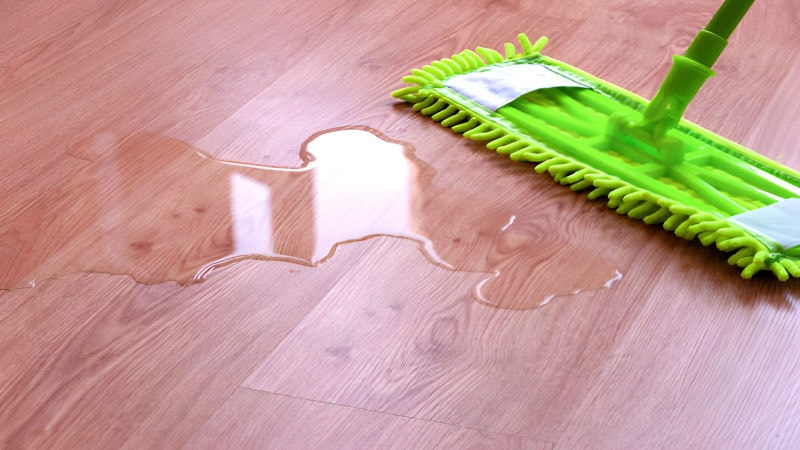
Don’t rush or try to cover the whole floor at once. Cleaning small areas helps you control how much liquid sits on the surface. Spray your solution lightly or use your damp mop to clean one section at a time.
Move in long, even strokes. This way, you remove grime instead of spreading it around. Once done, move to the next area until you cover the whole floor.
Rinse and Wring Often
Don’t use the same dirty water from start to finish. Once your mop starts looking gray or the water looks cloudy, rinse it.
Wring it tightly before using it again. Clean water removes dirt, but dirty water just moves it around. If needed, change the water halfway through for a fresher clean.
Once you finish mopping, give the floor a quick wipe with a dry microfiber cloth or towel. This last step removes any leftover moisture and brings out that smooth, streak-free shine you want. A few extra minutes of drying make all the difference.
How to Remove Tough Stains on Laminate Floors
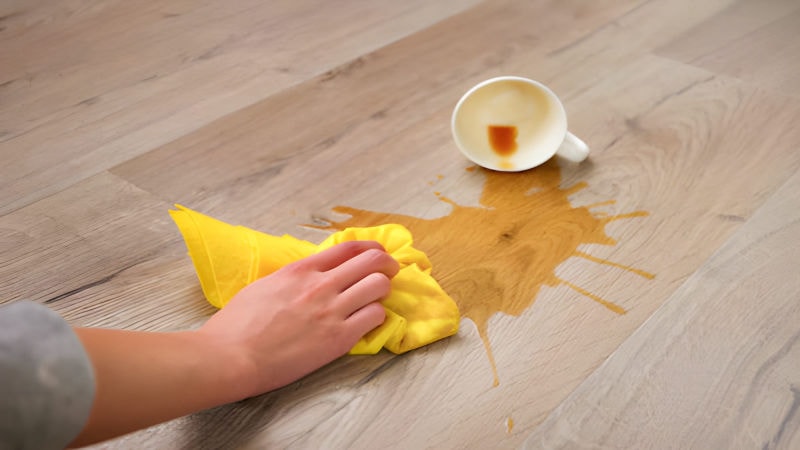
Even with regular cleaning, laminate floors can end up with stains that don’t come off easily. Food spills, shoe marks, or sticky spots can stay on the surface if not treated the right way. The good news? You can remove most tough stains with gentle methods:
Here’s how to handle different types of stains safely:
- Food or Drink Spills:
Wipe the spill right away using a damp microfiber cloth. If the stain is dry, mix a few drops of dish soap in warm water and gently scrub the spot. Then rinse with a clean, damp cloth and dry it completely. - Grease or Oil Stains:
Use a small amount of diluted vinegar solution (one part vinegar to three parts water). Spray it lightly and wipe with a microfiber cloth. This breaks down grease without leaving residue. - Scuff Marks from Shoes:
Rub the mark gently with a soft eraser or a clean tennis ball. You can also use a cotton cloth with a bit of rubbing alcohol to remove the scuff. - Ink or Marker Stains:
Dab a small amount of rubbing alcohol or acetone-free nail polish remover on a cotton pad. Gently wipe the stain until it fades, then rinse with water and dry the area. - Wax, Gum, or Candle Drips:
Let it harden first. Once solid, scrape it carefully with a plastic scraper or credit card. Avoid using steel wool or sharp tools, as they can scratch the laminate. - Water Spots or White Rings:
These come from too much moisture sitting on the surface. Wipe with a dry microfiber cloth, then buff lightly using a clean towel to restore shine.
By treating stains gently and using the right materials, you can keep your laminate floor looking spotless and streak free without scratching or fading.
Conclusion
Keeping laminate floors streak free isn’t hard once you know what to avoid and what to use. A simple routine with a microfiber mop, spray bottle, and a mild cleaning solution keeps your laminate clean and shiny.
Avoid too much water, acidic cleaners, and oil-based products that can damage the surface. Always dry the floor after mopping to prevent dull patches and streaks. With regular care, your laminate floors can look polished and beautiful for years without losing their charm.
Keep Your Floors Shining with Manywell
At Manywell’s, we understand how much effort goes into keeping your home clean. Our products like microfiber mops are designed to make your job easier and faster. Whether you’re cleaning wood floor or laminate floor, contact us to get a streak-free, hygienic, and safe finish every time.