
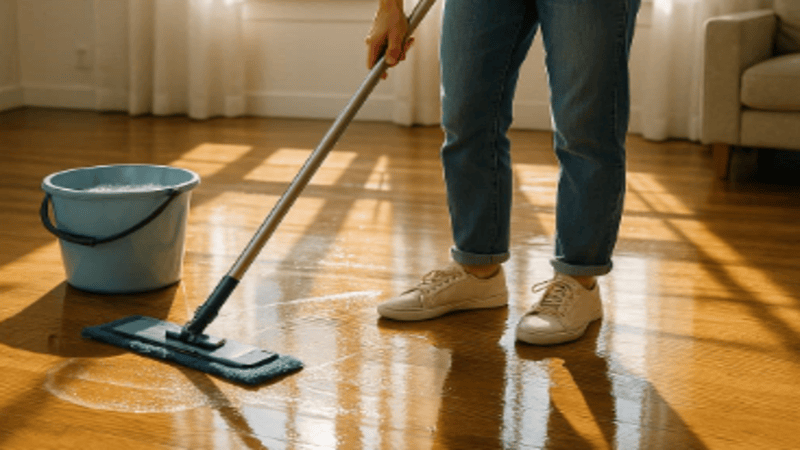
Mopping a floor is satisfying until you see that sticky floor afterwards. It can surely spoil your mood. But don’t worry, you are not struggling alone.
American Cleaning Institute’s 2024 National Cleaning Survey reports that 38% of respondents say cleaning places that can get filthy is a top cleaning task. However, many of you don’t realize that simple changes to your mopping routine can be a quick fix.
In this article, we will share what makes your floor sticky after mopping, along with some tips to help you maintain the floor effectively.
Let’s get started!
Common Causes of Sticky Floors
Feet sticking to the surface after mopping is more common than you think. Sometimes the cause is as simple as mixing cleaning products that don’t go well together. Other times, it’s using the wrong mop type.
Here are some of the most common reasons your floor might feel sticky after mopping:
Too Much Cleaning Solution
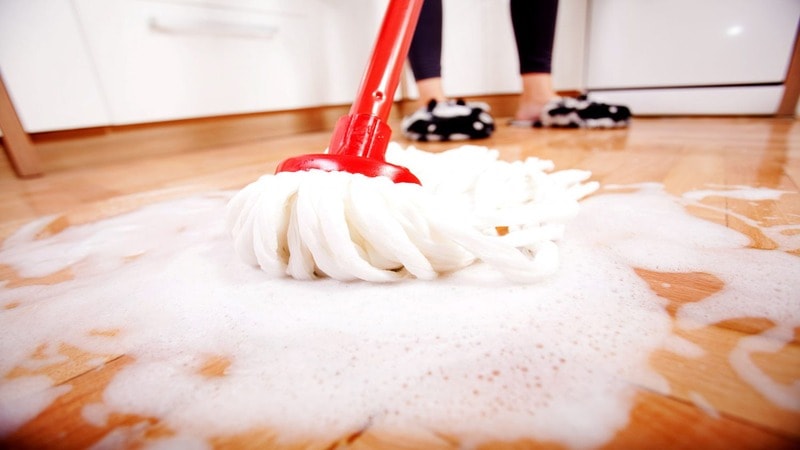
If you have heard about less is more, then the same formula applies here! Some think that using more detergent means a cleaner floor, but it can make things worse.
Yes, you heard it right! When you apply extra detergent, the mop sometimes fails to lift it all. After that, when the floor dries, a thin layer of soap residue attracts dirt and dust. This later on makes your floor sticky and messy at the same time.
Worn-Out Mop Heads
Another common cause is worn-out mop heads. We know mopping the floor burns calories, but no one wants to do hard work that doesn’t pay off. Old mop heads don’t absorb water well.
They spread dirty water instead of lifting it. This leaves behind streaks and sticky spots, especially on smooth floors like tiles or laminate. Replacing your mop head regularly helps maintain a clean, even finish. You can even try microfiber mops for high-performance and innovative tasks.
Using the Wrong Cleaning Product
Not all cleaning products suit every type of flooring. For example, using a cleaner designed for tiles on hardwood floors can leave behind residue. Some commercial cleaners also contain wax or polish ingredients that create a sticky buildup if not rinsed properly.
If you’re unsure what product to use, check the label or look up what’s recommended for your floor type. A simple homemade cleaner made from warm water and a few drops of mild dish soap can often do the trick for most surfaces.
Using Dirty Water
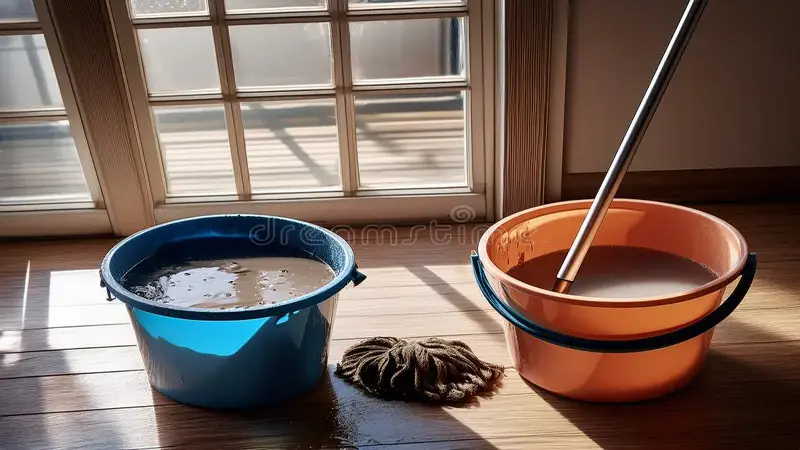
Reusing the same bucket of water to mop the entire floor seems like a time-saver, but it does more harm than good. As you rinse your mop in the dirty water, it picks up all the grime, grease, and detergent residue again.
The result? You’re not cleaning the floor; you’re just spreading the dirt around. When the water evaporates, that leftover grime causes your floor to feel sticky and dull.
Hard Water Buildup
If your area has hard water, the minerals in it can leave behind a dull, sticky film on the floor after mopping. Over time, this buildup makes your floor feel tacky and look cloudy.
The fix? Use distilled or softened water when mopping, especially for final rinses. Furthermore, you can also add a small splash of white vinegar to your rinse water — it helps dissolve mineral residue naturally.
Ignoring the Pre-Clean Step
Think of mopping as the final polish of the process, not the first step. If you skip sweeping or vacuuming, leftover residue and debris mix with your cleaning solution and spread across the floor. As the mop water evaporates, that dirt dries into a sticky layer.
Start with a quick dry clean; sweep, vacuum, or use a clean microfiber cloth for smaller areas. It makes mopping easier and ensures that your cleaner removes grime instead of moving it around.
By adjusting your products, using clean water, and starting with a dry mopping, you can keep your floors spotless, shiny, and truly clean under every step.
Effects of Hard Water on Floors
Hard water doesn’t just affect your laundry or bathroom fixtures; it can quietly damage your floors, too. The minerals in hard water, mainly calcium and magnesium, build up over time every time you mop. These deposits can leave behind a dull film that makes floors look cloudy and feel sticky.
Here’s how hard water impacts different flooring types:
- Tile and Stone Floors: Hard water minerals can settle into grout lines, making them darker and harder to clean. Over time, they may even weaken the grout.
- Vinyl and Laminate Floors: The residue can leave a hazy coating that dulls the shine and makes the surface slightly tacky.
- Wood Floors: While wood isn’t usually mopped with lots of water, even light use of hard water can leave mineral spots or streaks that are tough to buff out.
You might notice your floor looks clean when it’s wet, but once it dries, the cloudy film appears.
Select Cleaning Products Based on Floor’s Material
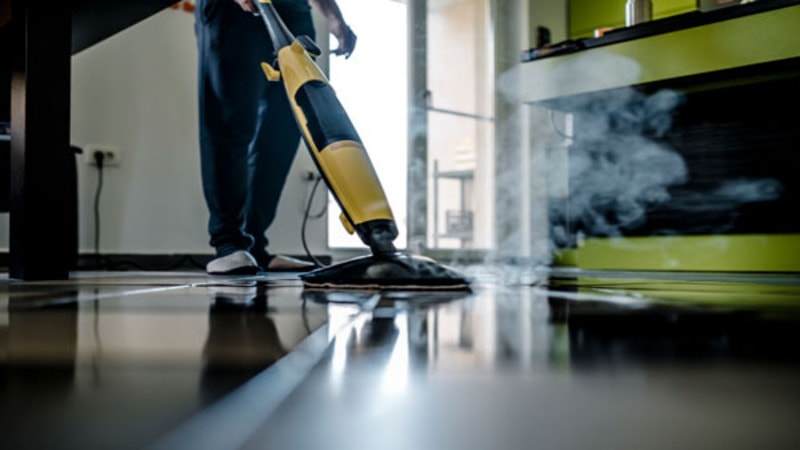
Each type of flooring has its own cleaning requirements. Using the wrong cleaner can cause lasting damage or make the surface sticky over time.
- Solid Wood Floors: Avoid vinegar-based, ammonia-based, or bleach cleaners, as well as glass cleaners and soapy water. These can corrode the surface and leave residue. Instead, use a specialized neutral cleaner with a microfiber mop, and make sure the floor dries completely afterward.
- Laminate Flooring: Though laminate floors have a protective wear layer, they’re still sensitive to strong acids, alkalis, and standing water. Use a neutral cleaner with a microfiber or steam mop, and wipe dry immediately to avoid warping or swelling.
- Tile Flooring: Tiles can handle most cleaning products, but avoid abrasive or acidic cleaners that might scratch or dull the surface. Rinse thoroughly after mopping and pay attention to grout lines—they collect dirt easily and can contribute to a sticky feel if not maintained.
- Vinyl Flooring: Vinyl floors are best cleaned with mild, neutral solutions. Stay away from strong acids, alkalis, or organic solvents. Limit water exposure to prevent warping, fading, or lifting of the surface. Many prefer steam mopping to handle sticky situation.
Pro Tip: Always test a new cleaner on a small, hidden spot of your house or place first. Even “safe” products can react differently depending on your floor’s finish or sealant. A quick patch test today can save you from dull, sticky floors tomorrow.
How to Fix Sticky Floors: Best Practices for Maintaining Clean Floors
With the right steps and tools, you can easily prevent sticky floors and keep them feeling fresh and smooth:
Use the Right Floor Cleaner
Choose a floor cleaner that suits your floor type. Using the wrong cleaning products can leave residue and your floors feel sticky. Moreover, always use the recommended amount of solution per gallon of water to avoid buildup.
Follow the Two-Bucket Method
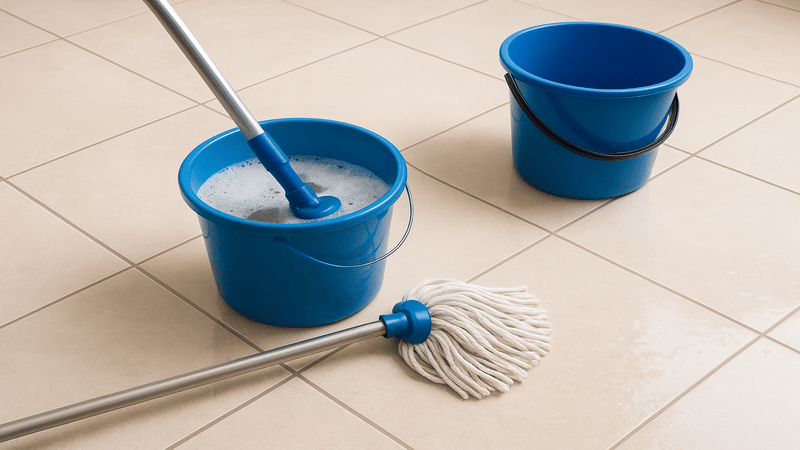
A common reason floors stay sticky is reusing dirty water. The two-bucket method solves this problem; one bucket for the cleaning mix and another for rinsing your mop pads. This way, you don’t spread more dirt while mopping.
If you prefer, use distilled water instead of tap water, especially in areas with hard water, to reduce sticky residue.
Dry the Floor Completely
Never leave your floor damp. After mopping, use a dry mop, clean cloth, or microfiber towel to absorb excess moisture. This step helps fix sticky floors and prevents sticky buildup.
It also protects hardwood and laminate floors from swelling or damage caused by sitting water.
Avoid Harsh Chemicals
Harsh chemicals may promise shine, but they often leave residue that attracts dust and more dirt. Stick to mild, neutral cleaners or vinegar-based solutions for everyday mopping. They clean sticky areas effectively without leaving a lingering residue.
Use the Right Technique
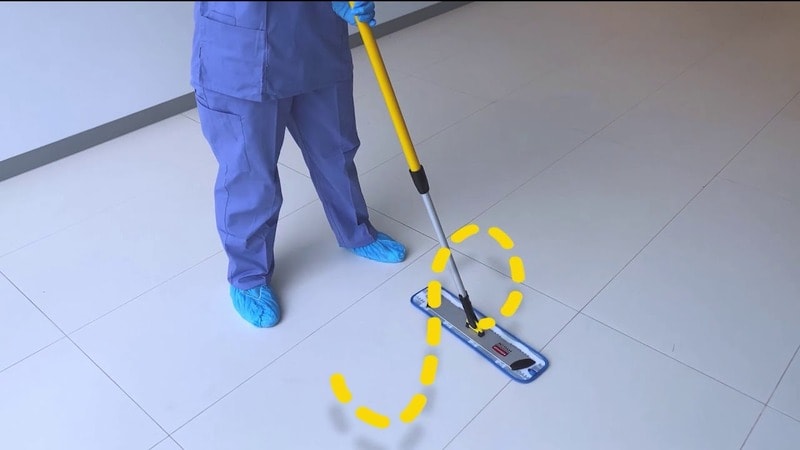
When mopping sticky floors, move in an “S” shape to collect dirt efficiently instead of spreading it. For tough spots, lightly scrub the area with warm water or a steam mop to loosen grime and remove sticky residue effectively.
Maintain a Regular Cleaning Schedule
To prevent sticky floors, don’t wait until they look dirty. Dust, spills, and cleaner buildup can create stickiness over time. Sweep or vacuum frequently and mop the floor once or twice a week, depending on how often people walk through that area.
A mindful cleaning routine and the right techniques are all it takes to prevent sticky floors for good.
Conclusion
Sticky floors can be annoying, but they’re easy to fix once you know the cause. With the right cleaning products, tools, and routine, you can keep your floors spotless and streak-free.
Always use the proper cleaning solution for your floor type, rinse with clean water, and dry the surface completely after mopping. Regular care not only helps prevent sticky buildup but also keeps your house looking fresh and tidy.
Try Manywell Mops to Prevent Sticky Floors
Manywell mops are built for deep cleaning with less effort. Their microfiber pads lift dirt effectively, leaving your floors fresh every time you mop. Contact us now for order and queries!