
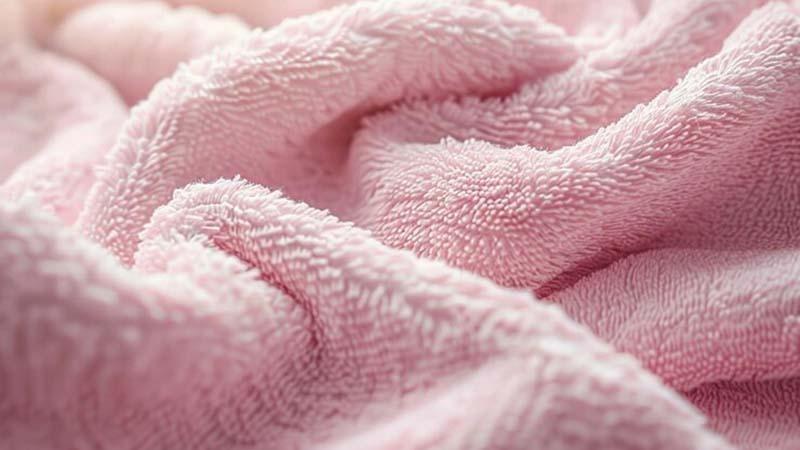
Microfiber towels are a blend of tiny polyester and polyamide fibers. The blend ratio is shown as a number on the towel packaging. The two most common options available to home and business owners are 80/20 and 70/30 microfiber. But how do you know which towel is better for your needs?
In this buyer’s guide, we explain the key differences between 80/20 and 70/30 microfiber towels to help you choose the right one for your home or business.
Microfiber Blends Ratios Explained: 70/30 vs 80/20 vs 90/10
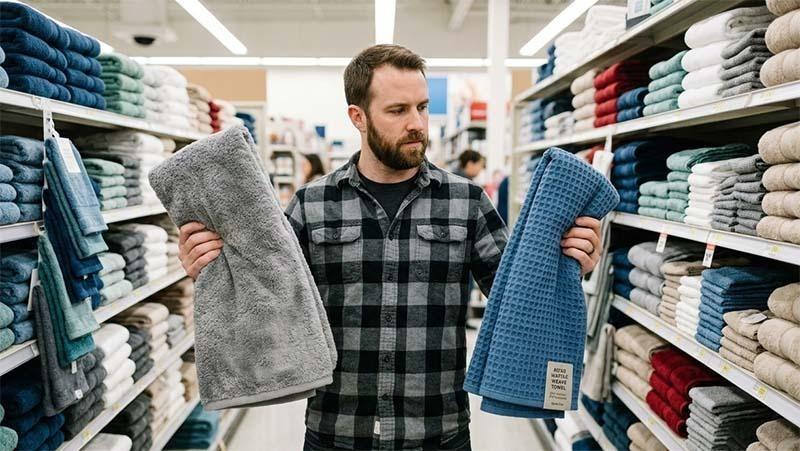
All microfiber towels are made from a blend of polyester and polyamide (also called Nylon). The microfiber blend ratio is represented as a number 70/30. The first number represents the polyester content, and the second represents the polyamide content.
Table 1 – Impact of blend ratio on properties of microfiber towels
| Towel Properties | More Polyester | More Polyamide |
| Softness | Medium | High |
| Absorbency | Medium | High |
| Durability | High | Medium |
| Cost | Lower | Higher |
| Usability | Versitile | Limited |
- 70/30 Microfiber = 70% Polyester Fibers & 30% Polyamide Fibers
- 80/20 Microfiber = 80% Polyester Fibers & 20% Polyamide Fibers
- 90/10 Microfiber = 90% Polyester Fibers & 10% Polyamide Fibers
Polyester is a cost-effective filler material that constitutes the bulk of microfiber towels. In direct contrast, polyamide is an expensive and high-performance material that controls towel softness and improves absorbency.
90/10 microfiber towels perform poorly compared to other blends, including cotton towels. We generally recommend avoiding these cheaper towels. 90/10 towels are best suited as disposable cleaning tools for dirty jobs, like grease clean-up.
Heavily soiled towels are much harder to clean. And even if you successfully clean these towels, the process damages the microfibers. In such cases, use a 90/10 blend disposable towel.
80/20 vs 70/30 Microfiber Towels: Which is Better?
80/20 and 70/30 are both good microfiber blends. In many ways, the choice comes down to cleaning performance and personal preference.
Table 2 – Comparing the different properties of microfiber towels
| Towel Property | 80/20 Microfiber Towel | 70/30 Microfiber Towels |
| Softness | Lower | Higher |
| Scratch Resistance | Lower | Higher |
| Absorbency | Lower | Higher |
| Cleaning Performance | Similar but Application Dependent | |
| Lint-Free Performance | Great | Great |
| Streak-Free Performance | Good | Great |
| Durability | Higher | Lower |
| Lifespan | Similar Lifespan with Proper Care | |
| Drying Speed | Similar Drying Speed with Proper Care | |
| Maintenance Requirements | Minimal Care | More Care |
| Cost | Cost Effective | Premium |
| Best Application | General Cleaning | Cleaning Delicate Surfaces |
1. Plush Towels and Texture
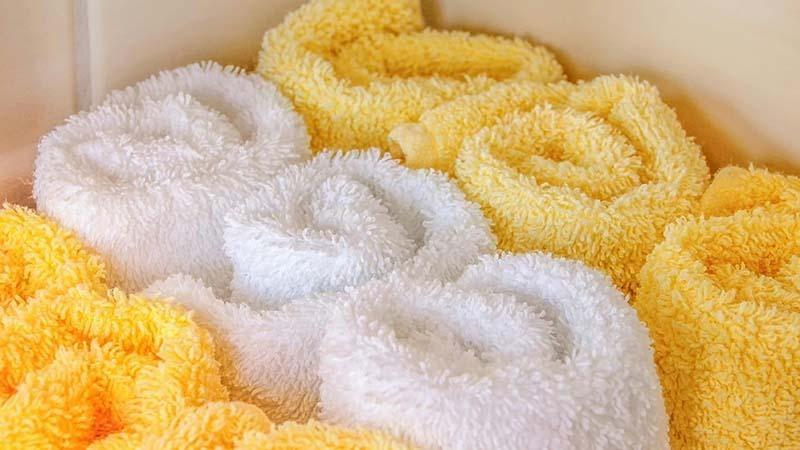
Higher polyamide content results in a softer towel. A 70/30 blend results in a plush towel that is great for delicate surfaces. In comparison, an 80/20 towel feels firm and a little stiff.
Use the softer 70/30 towels for facial care, drying cars, and cleaning phone screens. The 80/20 towels can be used for regular body care, spill cleanup, and washing specific tasks.
2. Surface Protection (Scratch Resistance)
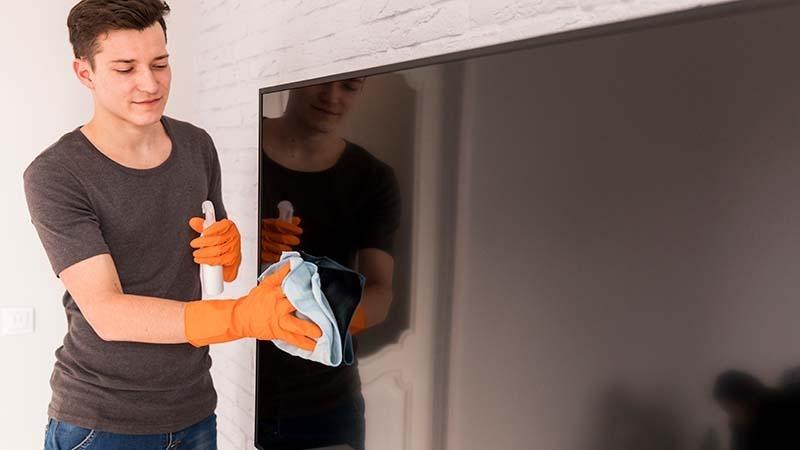
A 70/30 blend towel is flexible, soft, and has a gentle feel. Cleaning with a softer towel means fewer chances of scratching delicate surfaces.
An 80/20 towel is generally good for cleaning glass windows. But a 70/30 is more suitable for the delicate glass screens on phones and tablets. In waterless washing (or light dusting) applications, 70/30 microfiber towels carry a lower chance of scratching.
3. Absorbency and Capacity

70/30 towels are more absorbent. It can hold more water per area compared to an 80/20 towel. This also means drying tasks take considerably less time.
High polyamide towels (70/30 blend) are great for glass cleaning and drying cars without scratching. The higher absorbency means a lower chance of water spots.
4. Cleaning Performance
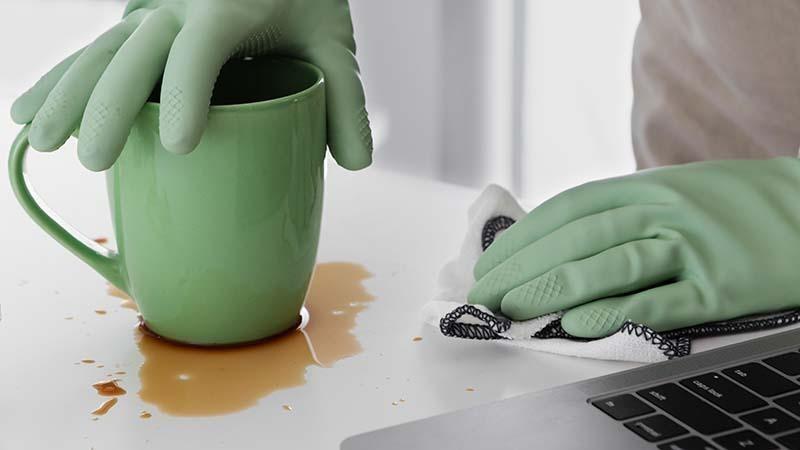
All microfiber towels have excellent cleaning performance. The tiny fibers grab loose dirt and debris and lift it from the surface. This velcro effect is consistent across different blends.
Strictly speaking, a 70/30 towel is slightly better at grabbing dirt particles, but that’s not the whole story. A microfiber towel’s GSM weight, weave options, and size have a much bigger impact on the cleaning performance.
5. Linting and Streaking Performance
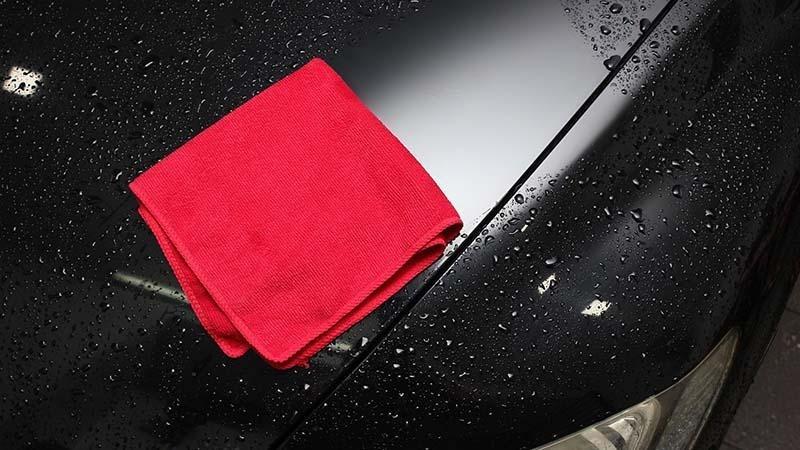
All towels shed lint and loose fibers. Microfiber towels are known for their lint-free cleaning, regardless of blend ratios. So an 80/20 microfiber towel is just as good as a 70/30 one.
Streaks and water spots result from a lack of absorbency. Since 70/30 towels are more absorbent, it means they always give you a streak-free finish.
6. Durability and Lifespan
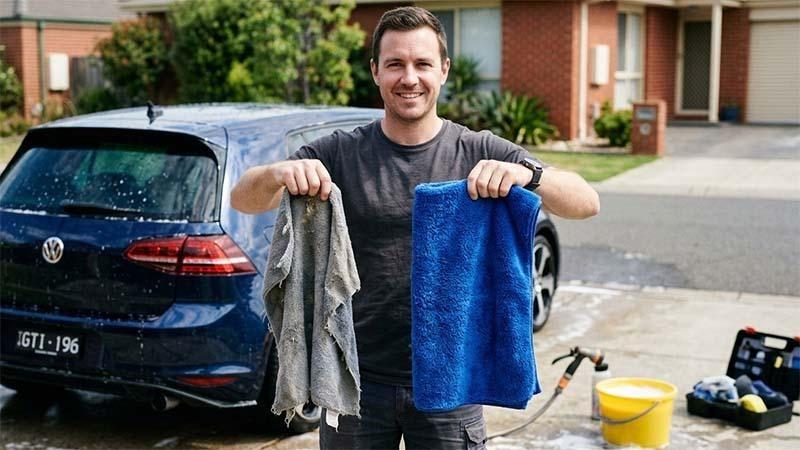
Softer towels are more likely to fray, pill, and tear. So a 70/30 towel is always going to wear out faster compared to an 80/20 one. However, the lifespan of a towel is more dependent on proper care and maintenance.
Mirofiber is an amazing material, but it also requires a lot of care. Avoid washing microfiber towels with hot water, use mild detergents, and don’t tumble dry towels. Finally, never use fabric softener. It coats the microfiber and reduces water absorbency.
7. Fast Drying Towels
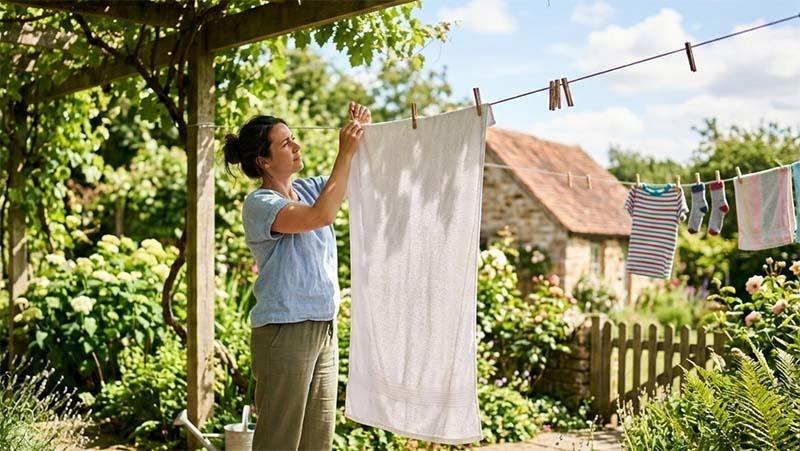
Most microfiber towels are quick drying. 70/30 microfiber towels are fluffier, which means more air gaps. This results in better airflow through the towel, which increases drying speed. But other factors, like towel thickness and size, play a bigger role in drying times.
8. Cost and Value
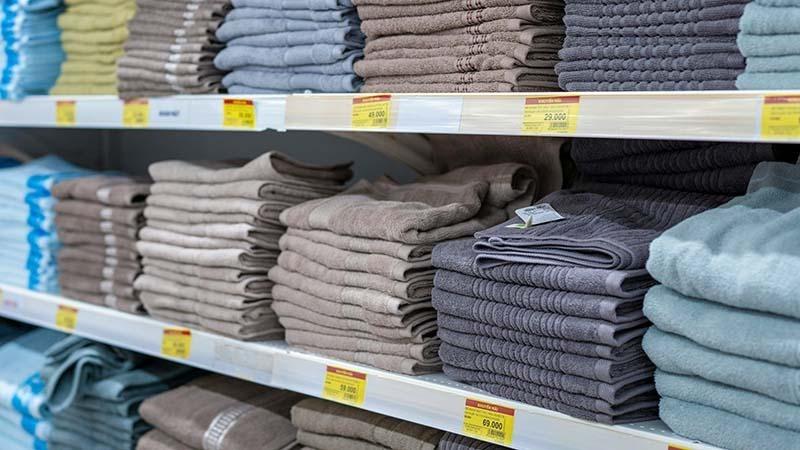
Polamide (nylon) is a more expensive material. So towels with more polyamide are inherently more expensive. However, the value argument is different. An 80/20 towel has a lower cost, but it’s less useful for delicate surfaces. Thus, it has less value to professional cleaners.
- 80/20 blends result in all-purpose towels. Use these towels on glass, plastic, metal, and other surfaces.
- 70/30 blends are always sold as premium and luxury towels. As such, you mostly use them for cleaning delicate surfaces.
Best Microfiber Cloths Based on Applications
Generally speaking, you can use 70/30 microfiber cloths for any cleaning and drying application. However, you would be spending more money on towels for no extra benefits.
That’s why we have to optimize our cleaning tasks according to towel features.
Table 3 – Best applications for 70/30 microfiber towels & 80/20 microfiber towels
| Towel Applications | Best Applicationsof 70/30 Towel | Best Applicationsof 80/20 Towel |
| Automotive Detailing | Car DryingBuffing TowelCeramic Coatings | Car DashboardDrying RimsCleaning SeatsMirrors & Windows |
| Personal Care | Facial CareSpa Towels | Hand TowelGym TowelBody Towel |
| Electronics Care | Phone ScreensTV Screens | Desktop ComputersLaptop Body |
| Optical Equipment | Camera LensEye Wear | N/A |
| Household Cleaning | Dusting Delicate SurfacesGlass SurfacesDish Towel | General Dusting & Dry WipingKitchen Counter TopsCupboardsBathroom CleaningWindow Cleaning |
| Industrial Cleaning | N/A | Cleaning GreaseChemical SpillsSanitization Tasks |
| Medical Applications | N/A | SanitizationWound CareBathing Patients |
| Outdoor Use | Pools at Luxury Resorts &Hotel | Beach TowelTravel TowelDrying Pets |
What Matters More Than Blend Ratio?
The microfiber blend ratio doesn’t show us the full picture. Other factors affect the overall product quality and towel performance more.
1. Towel Sizes
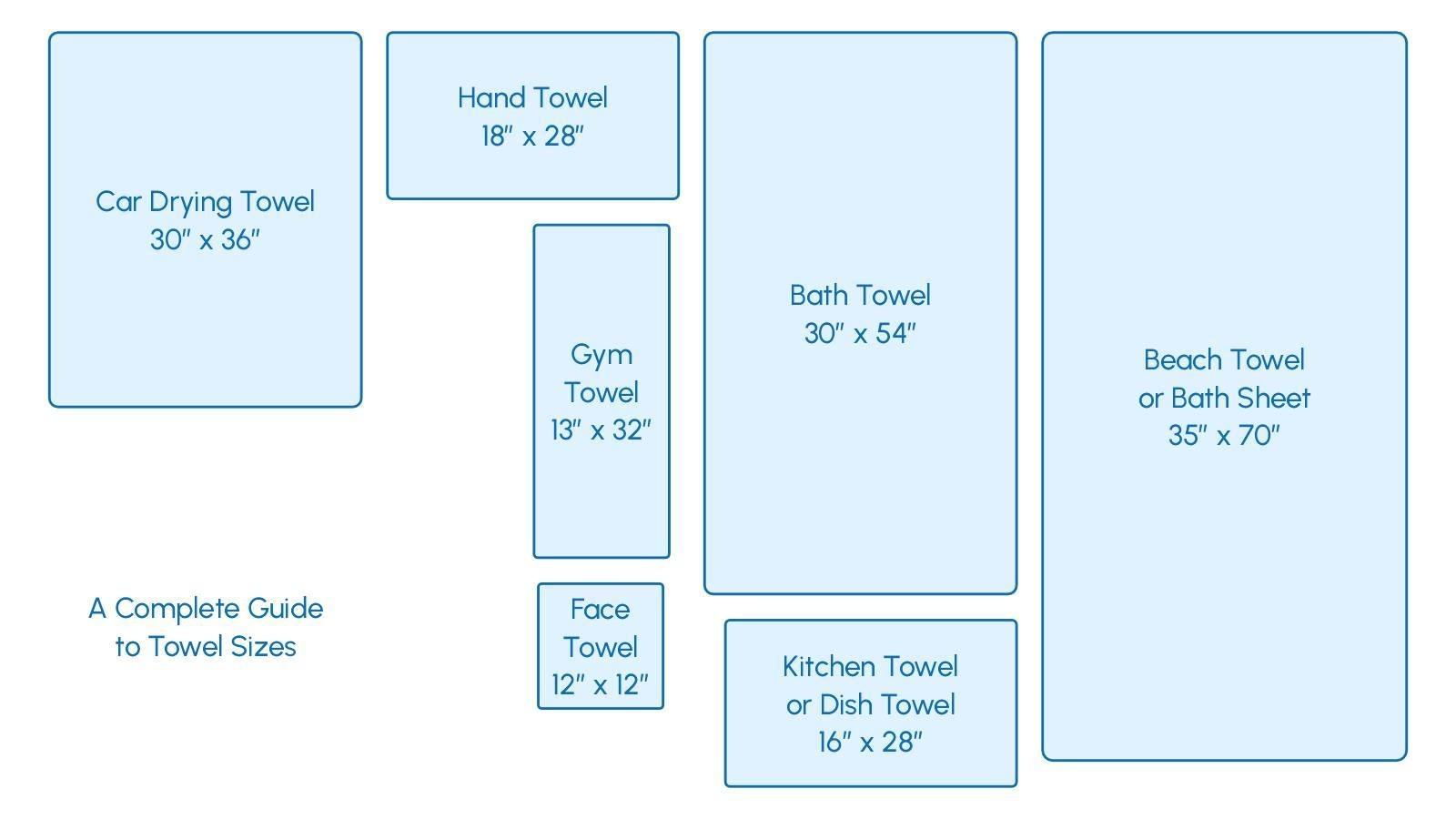
Towel Size directly affects the comfort, convenience, and absorbency.
- Larger towels are more comfortable because they provide extra surface area.
- Smaller towels are convenient because they are easier to carry
- A larger towel will hold more water. Thus increasing its absorbency.
Example
- Beach towels prioritize larger size over blend ratios.
- Gym towels prioritize smaller size over blend ratios.
2. Towel GSM Weight
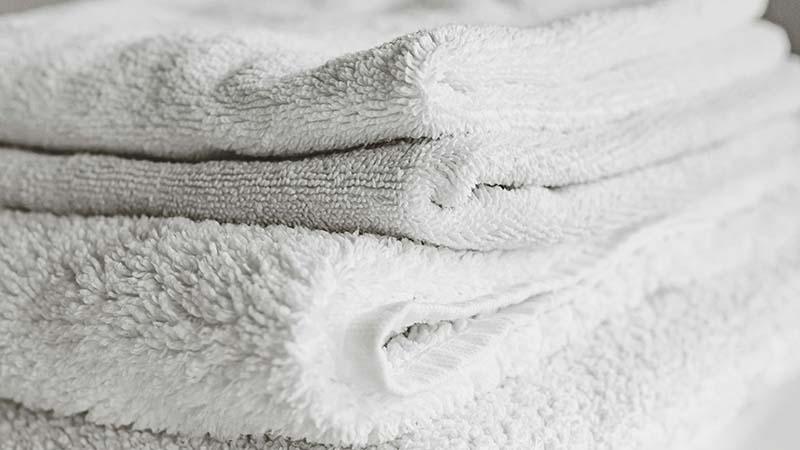
GSM stands for grams per square meter. It’s a textile term that measures the thickness and density of fabrics and towels. A higher GSM towel will have more material (microfibers) than a lower GSM towel. Generally speaking, a higher GSM is associated with luxury and high-quality microfiber towels.
Example
- High GSM gives you a streak-free finish in polishing/coating removal and car drying tasks.
- Low GSM means your phone and eyewear cleaning towels are easier to fold and carry.
3. Towel Weave Options
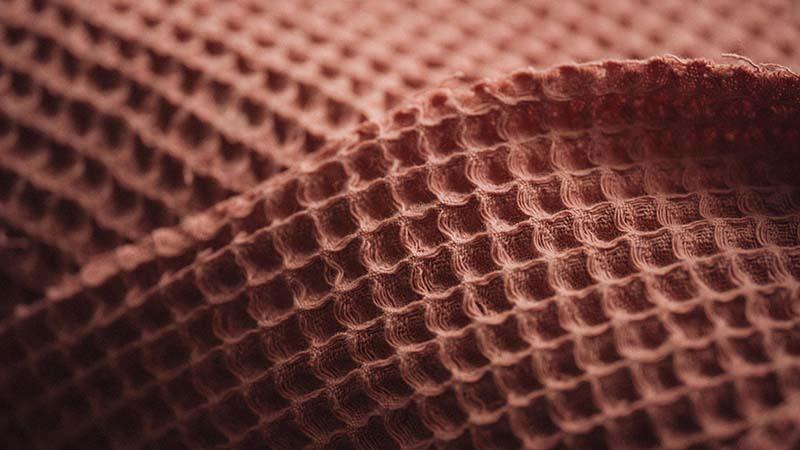
Microfiber works by trapping dirt and moisture within its weave. Different weave options directly impact towel softness and absorbency.
Here are the most common towel weave options.
- Twisted Loop or Terry Weave: Threads are pulled and twisted into a long pile texture that results in high absorbency.
- Coral Fleece: Similar to twisted loop, except each standing thread is like a fine human hair. Results in a delicate, soft, and more absorbent towel.
- Waffle Weave: A waffle texture that increases absorbency. It also reduces the risk of snagging on sharp corners.
- Suede or Flat Weave: A completely tighter weave that results in a flat, soft cloth. It’s less absorbent but offers better scratch resistance.
Example
- The hospitality and cleaning service industry often invests in multiple towel weaves. One towel with a plush weave for guest bathrooms and another with an absorbent waffle weave for cleaning tasks.
4. Towel Edge Stitching
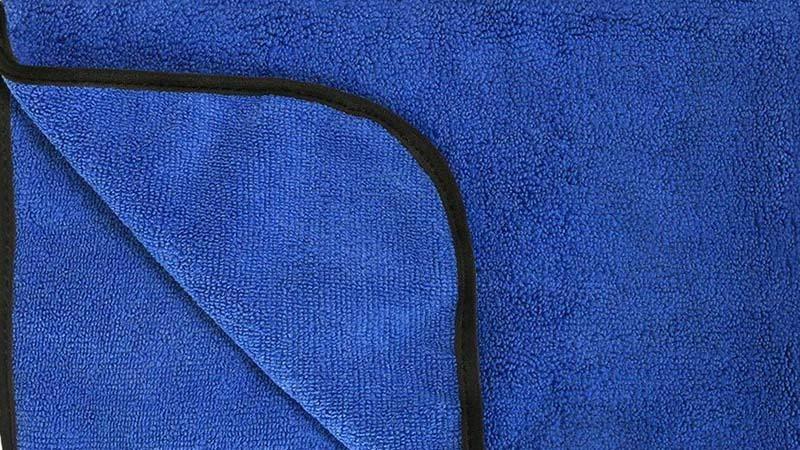
The edges of a microfiber towel must be sealed to prevent fraying. There are four ways to seal a towel’s edge.
- Edgeless: A sharp knife or an ultrasonic blade is used to cut and seal the towel edges.
- Overlocked: Extra polyester thread is stitched around the perimeter of the towel.
- Piped: An ultra-soft fabric is stitched around the borders to prevent fraying.
- Hemmed: The edges are folded over themselves and stitched to form a seal.
Example
- You can identify low-quality towels by their edges. A high-quality 70/30 towel has better scratch resistance. But a rough, overlocked edge can scratch delicate surfaces. So you shouldn’t mix the two factors.
- A similar thing can happen with sewn-in tags. If the tag or edge stitching is rougher than your towel, it will cause scratches.
Conclusion
All microfiber towels are soft and absorbent. However, towels with a high polyamide ratio (70/30) offer better performance as a cleaning and drying aid. But you don’t always need an expensive towel blend for your business. It’s important to balance microfiber blends with other factors like towel edges, weight, size, and weave options. Use this guide to identify the perfect towel for your needs.
Get 80/20 & 70/30 Microfiber Cloths, Towels & Mops from Manywell
Manywell is a microfiber specialist. We offer a wide range of microfiber products, including microfiber towels, wash mitts, cleaning cloths, and flat mops. All of our products are available in an 80/20 and 70/30 blend.
Businesses can take advantage of our extensive customization options and OEM services. You can fine-tune the color, size, weight, weave, and blend of microfiber towels. Contact Us Today!