

Walls quietly collect dust, fingerprints, and stains over time. By the time you decide to clean them, the damage is already done. Whether you’re dealing with painted, tiled, or wallpapered walls, knowing the right cleaning method can help preserve their finish and keep your space looking fresh.
In this article, we cover different wall surfaces, their best cleaning solutions, and practical tips on safe and effective cleaning.
Preparation for Wall Cleaning
Before we start any type of wall cleaning, it’s important to assess the state of your wall. Here are four important pre-cleaning steps.
1. Wall Finish
Your wall finish determines the tools and cleaning solution you can use. Dusting and gentle wiping are safe for all walls. But if you intend to wash your walls, some proper precautions are needed.
- Painted Walls: Limit water use, especially on matte or flat paint finishes.
- Wallpaper Walls: Avoid hot water and harsh scrubbing.
- Tiled-Walls: Use mild detergent and a soft sponge to clean grout (caulk).
- PVC Wall Panels: Avoid hard brushes or strong cleaners.
2. Level of Dirt
Next, identify the level of dirt or grime buildup on your wall. You can remove dust with a clean sponge, mop, or microfiber cloth.
If you still have dirt, then use warm water and a cleaning solution. Heavy grime buildup will require more detergent and scrubbing.
3. Type of Stains
Not all stains are equal. Generally speaking, wall stains can be divided into four categories.
- Water-Based Stains: Splashes from food, drinks, or water leaks.
- Oil-Based Stains: Smudges from oily hands, cooking oil splatters, or cigarette smoke stains.
- Scuff Marks: Marks caused by furniture, shoes, or bags rubbing against the wall.
- Writing Marks: Pens, markers, pencils, and crayon lines.
4. Mold or Mildew
Mold is more common than you think. Excess indoor moisture causes mold or mildew to grow on walls. Houses in humid regions and rooms like kitchens and bathroom walls are more likely to grow mold.
Breathing in mold can lead to serious health issues. For moldy spots, clean walls using a disinfectant or antimicrobial cleaner.
Choosing the Right Cleaning Solution
Cleaning solutions are task-dependent. As you move from light dusting to deep cleaning, the number of cleaning tools increases. Here is a short chart to help you identify the right cleaning solution according to your wall cleaning level.
Table 1 – Tools and Cleaning Solutions based on Level of Wall Cleaning
| Cleaning Level | Tools Required | Cleaning Solution |
| Light Dusting | Microfiber ClothOR Flat Dry Mop | NoneOR Light Water Spray |
| Mild Dirt & Grime | Spray BottleFlat MopMicrofiber ClothOne Bucket | Mild Soap & Water Solution |
| Stains Removal | Soft SpongeMicrofiber Cloth | All Purpose CleanerOR Wall Cleaner |
| Scuff Marks | Melamine Sponge(Magic Eraser) | Plain Water |
| Mold Removal | GlovesSpray BottleSponge | Diluted Bleach SolutionOR Vinegar |
5 Important Tips & Tricks for Wall Cleaning
Here are some important factors to consider when gathering your cleaning supplies.
- Use a Vacuum: For larger walls, you can use a vacuum with a brush attachment to remove dust and cobwebs.
- Limit Water Use: Excess moisture can lead to wall damage or mold growth. Remember to quickly dry your walls to avoid streaks.
- Check Your Cleaner: First time you use a new cleaner, test it on a small area first to ensure it doesn’t damage the paint or wallpaper.
- Avoid Over-Scrubbing: Some stains are harder to get rid of than others. Over-scrubbing will not help here. Instead, it will damage your walls.
- Don’t Use Dirty Rags: Always use a clean and soft microfiber cloth or sponge to avoid damaging your walls.
The Best Ways to Clean Walls
Here are the best ways to clean every type of wall surface.
1. Painted Walls
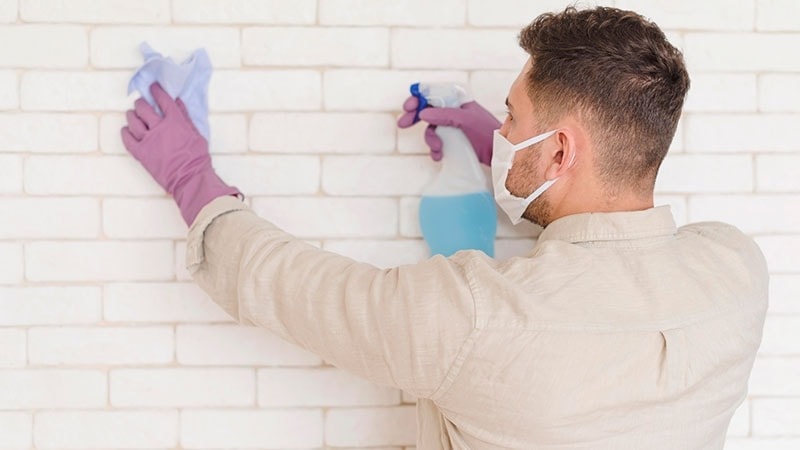
Washable paints are incredibly durable and easy to clean. All you need is dawn dish soap, warm water, a microfiber cleaning cloth, and some elbow grease. However, not all paints are washable.
Wall cleaning methods change whether you have a glossy (sheen), matte (flat), or semi-gloss paint finish. With matte paint, you’re limited to simple cleaning techniques. By comparison, glossy paints are more forgiving, so you have more cleaning options.
Cleaning Techniques
- Simple Cleaning: Dust your walls with a clean cloth or flat dry mop. You can also lightly mist your walls with water and wipe with a flat microfiber mop. Mops allow you to cover more area and get those hard-to-reach spots in your house.
- Moderate Cleaning: Fill a spray bottle with a mix of 2 cups of water and 1 tsp dish soap. Gently spray your wall from a distance. Don’t let moisture accumulate in one spot. Wipe and dry your walls with a lint-free cloth.
- Scuff Removal: Gently rub using some gentle all-purpose cleaners and a soft sponge. You can also use a damp melamine sponge (magic eraser) for tougher stains. However, never use a magic eraser, brushes, or vinegar-based mixtures on matte paint. They will damage your wall.
- Mold Removal: Bleach is a good mold killer, but it can damage, discolor, or strip paint. Always use a diluted bleach-based cleaner to remove mold. Discoloration is less noticeable on pure white walls and more apparent on off-white and eggshell walls.
Sometimes it’s easier to apply a nice fresh coat of paint than it is to remove stains from matte paint.
2. Walls with Wallpaper
Paper and fabric-based wallpapers are similar to matte paint and are weak to moisture. Modern vinyl wallpaper is non-porous and more resilient than paint.
Cleaning Techniques
- Simple Cleaning: Paper-based wallpapers are limited to light dusting and dry mopping. You can use a damp cloth for vinyl wallpaper.
- Moderate Cleaning: Use your preferred wall cleaning solution. Add a towel on the floor to absorb excess water drips. (Only recommended for vinyl wallpapers.)
- Scuff Removal: Melamine foam sponges work best. Just remember to use a light touch.
- Mold Removal: Mold can grow behind your wallpaper. In such cases, removing wallpaper and cleaning is the best option.
3. Tiled-Walls
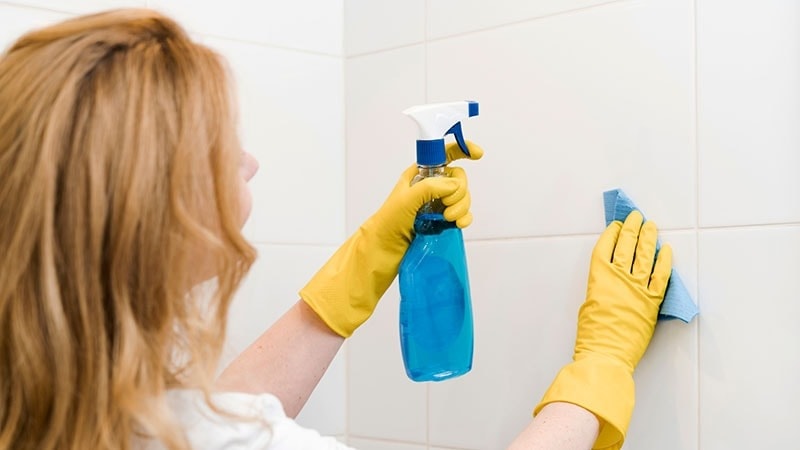
The following cleaning methods apply to tiled bathroom walls, marble floors, and other stone or ceramic surfaces.
Cleaning Techniques
- Wash Walls: As tiles are more durable, you can directly go for deep cleaning. Scrub your walls with a sponge and detergent. You can use dish soap, commercial cleaners, or even a glass cleaner, since tiles and glass are both ceramics. Next, wipe everything down with a wet microfiber cloth. Use two buckets, one for your cleaning solution and another for a clean water bucket to rinse your microfiber cloth.
- Mold Removal: Mold can also grow on the grout (caulk) between your tiles. Spray your choice of mold remover on the affected area. Wait 30 minutes before washing it with clean water.
4. PVC or WPC Paneled-Wall
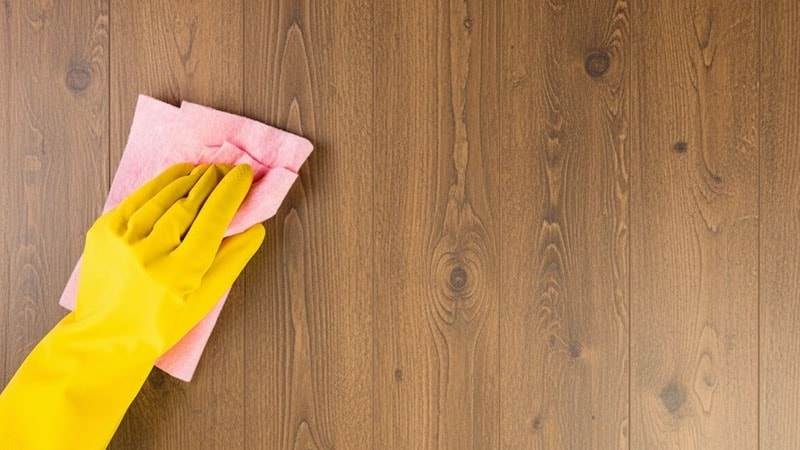
PVC or WPC wall panels are textured with lots of gaps and indents in the panels. High-traffic areas with textured paneling require frequent cleaning. Otherwise, grim will build up quickly.
Cleaning Techniques
- Moderate Cleaning: Use your preferred wall cleaning solution. Avoid hard brushes. They can scratch and dull the panel’s sheen.
- Wash Walls: Use gentle scrubbing and mild cleaners to remove grime from between the grooves. Wipe with a microfibre cloth to avoid water stains.
- Mold Removal: Like wallpaper, mold can grow behind the wall panels. Bleach can’t clean behind the Panels. So, if you see panels warping or notice a musty smell, then you should get it checked out.
Conclusion
Cleaning walls is a simple task. However, the longer you wait, the more dirt they accumulate, especially in high-traffic areas like hallways. Luckily, there is a technique for cleaning every type of mess. First, identify your wall finish, then use the various tips from this article to plan your cleaning method.
Get Perfectly Clean Walls with Microfiber Cloths from Manywell!
Manywell is the premier cleaning solutions provider. We have over 17 years of experience in manufacturing cleaning products. Our microfiber cloths, sponges, and mops are perfect for cleaning all types of walls.
We offer 100% customization on all products with competitive pricing. Get a free Quote Today!