
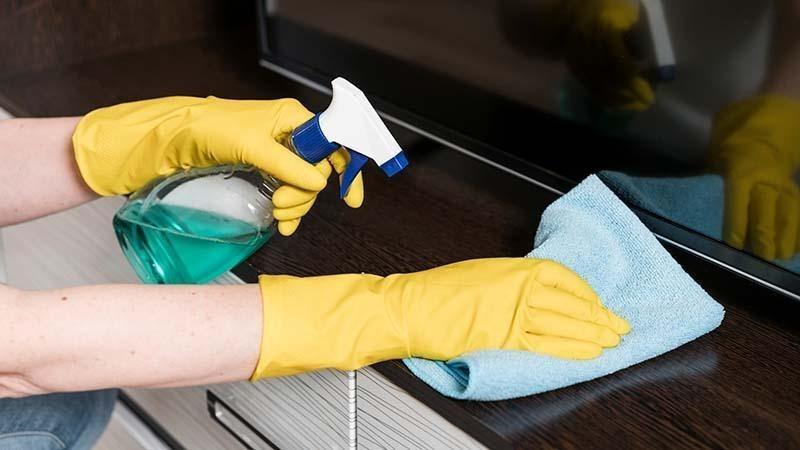
A microfiber cloth is the most versatile cleaning tool in your arsenal. It can be used for light dusting and serious stain removal. You can use it to clean your house or your office space. In this article, we explore the near-limitless applications of microfiber cloths.
Learn about different cleaning tasks, microfiber-specific applications, and more.
What Are Microfiber Cloths Used For?
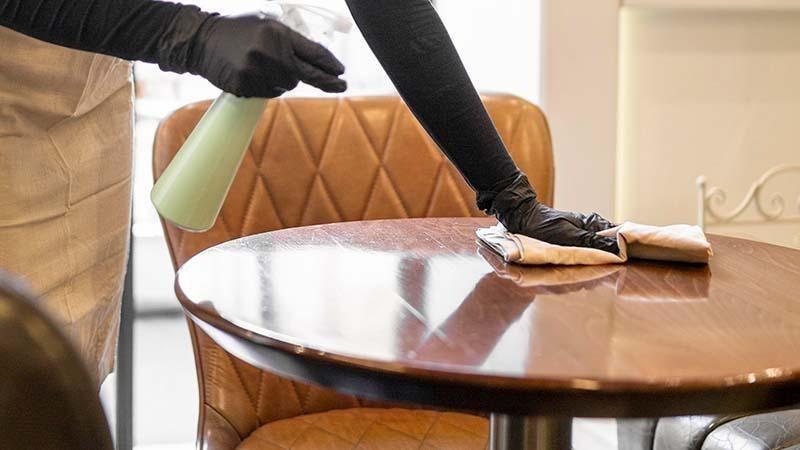
Microfiber cloths are made from a blend of ultra-short polyester and polyamide fibers. These split-end synthetic fibers help microfiber fabric attract and trap dirt and bacteria.
- Dusting: Use a dry microfiber cloth to remove dirt, dust, and loose particles.
- Wiping: Use a slightly damp microfiber cloth to clean up spills, dirt, or mud.
- Cleaning: Deep-clean surfaces using water, soap, disinfectants, or other cleaning solutions.
- Drying: Remove excess water from tables, windows, or other glass surfaces.
- Polishing: For even application of wax, lacquer, car polish, or a buffing compound.
- Mopping: Dry and wet floor cleaning using microfiber mop pads.
- Detailing: Cleaning small objects or hard-to-reach areas like a car interior.
Table 1 – A quick overview of all the ways you can use microfiber cloths.
| 7 Uses of Microfiber Cloths | Dusting | Wiping | Cleaning |
| Dry Cleaning & Dust Removal | Remove Dirt, Spills, and Residue | Deep Clean with Water & Soap | |
| Drying | Polishing | Mopping | Detailing |
| Absorb Water & Moisture | Create a Shiny Surface Finish | Cleaning & Drying Floors | Cleaning Hard-to-Reach Areas |
Note: Microfiber cloths excel at cleaning and dusting when used dry. This saves on water and cleaning time. Speaking of water, microfiber cloths have exceptional water absorption because of their higher surface area compared to cotton cloths.
7 Common Applications of Microfiber Cleaning Cloths
Microfiber cloths have near-limitless cleaning potential. They are commonly used for household cleaning, personal and pet care, and automotive detailing.
Here are seven common applications of microfiber cleaning cloths.
1. Household and General Cleaning
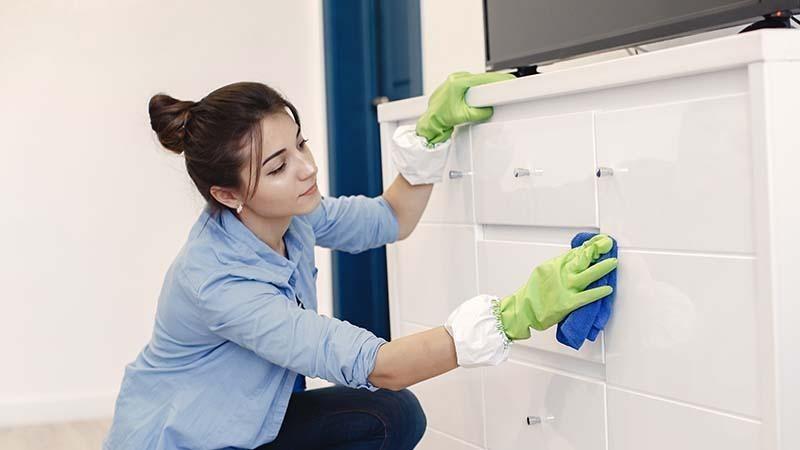
You can use microfiber cleaning cloths and towels for various household items. We recommend terry-weave microfiber cloths for most household cleaning tasks. But you should use flat-weave towels for delicate surfaces. Their ultra-fine fibers help lift dust off the surface without the risk of scratches or smudges.
Here is a quick recommendation for the type of microfiber cloths you can use in household cleaning.
Table 1 – Microfiber cloth used for household cleaning tasks.
| Application | Towel Weave | Size | GSM | Remarks |
| Antique Furniture | Suede or Waffle Weave | 30×45 cm | 250-350 | Avoid Harsh Cleaning Solutions |
| Cabinets & Tabletops | Twisted Loop | 30×60 cm | ~400 | Limit Water Use |
| Windows & Glass | Flat or Coral Fleece | 30×30 cm | 300-450 | Prioritize Absorbency |
| Tiled Surfaces | Twisted Loop | 30×60 cm | 250-300 | Use a 70/30 Blend Microfiber |
You will need specialized chemicals to remove soap scum and hard water stains from glass surfaces. It’s also important to note that you want ultrasonically cut edgeless microfiber cloths for any delicate surfaces that are easy to scratch.
2. Kitchen and Dining
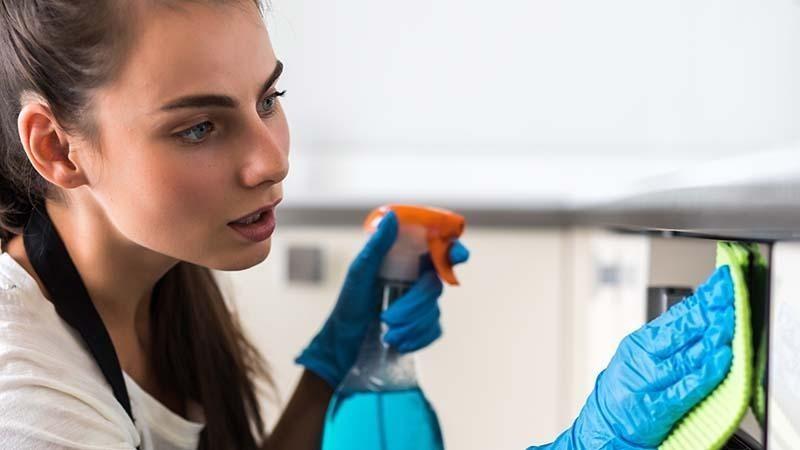
Kitchen surfaces and dining areas have slightly different cleaning requirements. You want to use a thicker microfiber cloth that can hold onto soapy water. Unlike cotton towels, microfiber cloths don’t leave streaks and water spots on appliances and tableware.
Here is a quick guide on microfiber cloths for cleaning the kitchen.
Table .2 – Microfiber cloth uses for kitchen and dining areas
| Application | Towel Weave | Size | GSM | Remarks |
| Dining Tables | Twist Loop or Waffle Weave | 30×60 cm | 250-350 | Avoid Harsh Cleaning Solutions |
| Kitchen Stovetops | Waffle Weave | 30×60 cm | ~400 | Limit Water Use |
| Microwave Oven | Twist Loop | 30×60 cm | 300-450 | Prioritize Absorbency |
| Utensils & Glassware | Coral Fleece | 20×30 cm | 250-300 | Use a 70/30 Blend Microfiber |
| Grease & Sauces | Disposable Microfiber | 30×60 cm | 150 | Wipe clean, then Use Soapy Water |
Note: Damp microfiber cloths are more effective at cutting through kitchen grease.
3. Glass, Mirrors and Stainless Steel

Glass and polished metal surfaces are a magnet for fingerprints, lint accumulation, and minor scratches. It’s important that you use a soft microfiber cloth to clean these delicate surfaces. The split fibers naturally pick up dust and grime so you don’t have to apply excess pressure.
Here are towel recommendations for cleaning stainless steel appliances and glass surfaces.
Table 3 – Microfiber cloth for glass, mirrors, and polished surfaces.
| Application | Towel Weave | Size | GSM | Remarks |
| Stainless Steel | Flat or Coral Fleece | 30×30 cm | 250-300 | Large Cloths for Large Appliances |
| Glass & Mirrors | Low Pile Weave | Limit Water Use |
We also recommend that you clean glass surfaces without using harsh chemicals. The chemicals can damage the soft microfibers.
4. Automotive Cleaning and Detailing
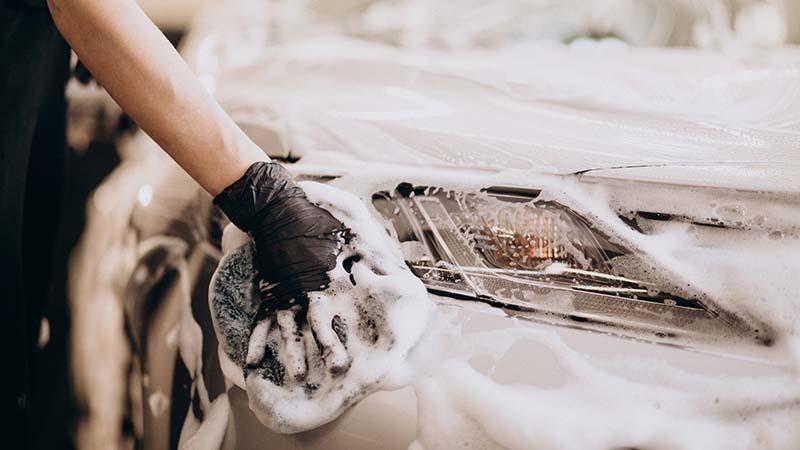
In recent years, microfiber cleaning cloths have become the go-to option for automotive work. You can use microfibers for interior and exterior without the risk of scratching the car paint or luxury interior.
There are four major areas of automotive care that benefit from a high-quality cleaning product like microfiber cloths.
Table 4 – Microfiber cloth for automotive cleaning and detailing tasks.
| Application | Towel Weave | Size | GSM | Remarks |
| Washing | Twisted Loop | 30×40 cm | 250-400 | Stick with a 70/30 Blend |
| Drying | Twisted Loop or Coral Fleece | 60×60 cm | 600+ | Prioritize Softness |
| Detailing | Flat or Suede Weave | 15×20 cm | 250-300 | Smaller is Better |
| Polishing | Low Pile & Waffle Weave | 30×30 cm | 350-400 | Apply Less Pressure |
You can use any small to medium-sized microfiber cloth for cleaning the exterior of the car. But car drying microfiber towels will work best at larger sizes, high GSM, and with a coral fleece or twisted loop weave.
5. Commercial and Professional Cleaning
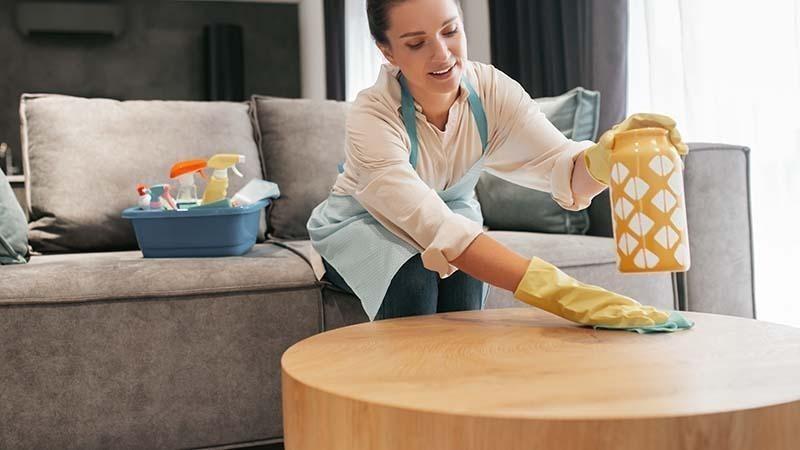
Commercial cleaning operations use the same microfiber towels and cleaning cloths as household ones. However, cleaning professionals have completely different requirements.
Businesses should prioritize durability, consistency, and lint-free designs. A hotel cleaning cloth gets dirty quickly and undergoes hundreds of washes. You want microfiber cloths that can withstand continuous use and designs that dry quickly, so they can be reused.
Microfiber cloths are used in hotels, offices, janitorial services, commercial kitchens, and auto detailing businesses. Here are the three best options for these professional settings.
Table 5 – Microfiber cloth recommendation for professional cleaning services.
| Application | Towel Weave | Size | GSM | Remarks |
| Large Surfaces | Twisted Loop | 30×60 cm | 250-400 | Tables, Chairs, Walls, Windows, etc. |
| Small Fixtures | Flat Weave | 20×30 cm | 250-350 | Handles, Metal Trims, Decor, etc. |
| Hazardous Spills | Non-Woven Disposable | 20×20 cm | 150-200 | Better Option than Paper Towels |
Microfiber cloths dry faster compared to other fabrics. This makes a big difference in professional settings. Where you quickly wash the old towels, let them dry, and then reuse them. But if these towels are not dried immediately, they develop a musty mold smell.
6. Electronics and Delicate Surfaces

For any type of electronic screen, there is only one microfiber cloth option. Use a low-pile cloth with a flat weave. It minimizes scratch risks and keeps your devices looking brand new.
Since microfiber is less likely to scratch delicate surfaces, it’s widely used to clean laptops, smartphones, and TV screens. There are a few precautions you need to take when using a microfiber cloth on delicate surfaces.
- Always use a clean microfiber cloth. A dirty cloth has a higher risk of scratching screens.
- Air-dry your microfiber towels after use. Tumble and high-heat drying will damage the fibers and make them hard.
- Avoid overlocked edges. Instead, use edgeless microfiber cloths that have a near-zero chance of scratching.
Table 6 – Microfiber cloth for cleaning delicate surfaces.
| Application | Towel Weave | Size | GSM | Remarks |
| Electronic Devices | Flat or Suede Weave | 15×30 cm | 250-300 | Use Screen-Safe Cleaning Solutions |
| General Soft Surfaces | Flat Weave | 30×30 cm | 250-350 | Limited Pressure Application. |
7. Hospitality Industry
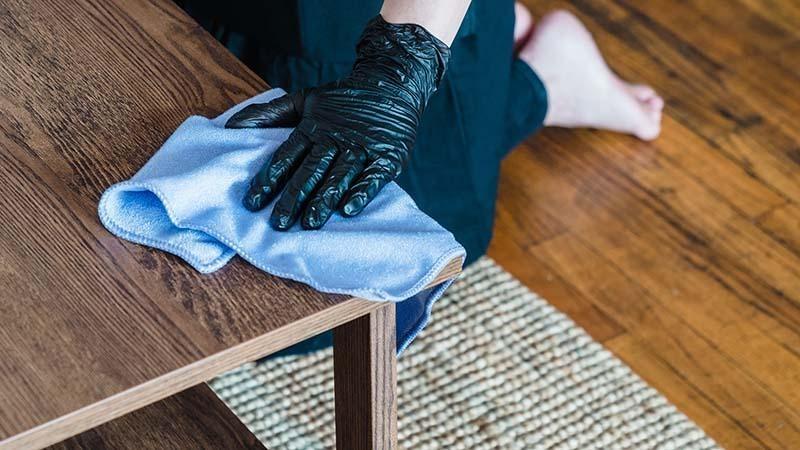
The hospitality industry is one of the biggest markets for microfiber cleaning cloths and towels. Hotels, spas, resorts, and saunas use premium, high-GSM microfiber towels for guests. Outside of luxury towels, there are several cleaning applications.
Disposable microfiber fabric is commonly used in spas for one-time facial care use. This ensures hygiene and is generally more economical than washing and sanitizing reusable cloths.
Conversely, reusable microfiber cloths are used in almost every single application. You can use them for cleaning bathrooms, kitchens, furniture, handrails, and more.
Table 7 – Microfiber cloths used in the hospitality industry.
| Application | Towel Weave | Size | GSM | Remarks |
| Personal Care | Coral Fleece | 30×30 cm | 250-300 | Prioritize Softness |
| Lobby Area | Waffle Weave | 30x40cm | 350-400 | For Dust & Spill Cleaning |
| Bathrooms | Twisted Loop | 20×30 cm | 250-300 | 70/30 Blend is Ideal |
| Kitchen & Dining | Waffle Weave | 20×20 cm | 300-450 | Keep Several Towels on Hand |
What Are The Main Functions of Microfiber Towels & Cloths?
There are four major functions that a microfiber towel serves.
1. Dust and Particle Pickup
A microfiber cloth has synthetic fibers that are 1/100th the diameter of a human hair. This helps them separate dirt, dust, and pet hair from sofa upholstery and textured rugs.
2. Water and Spill Absorption
On average, a microfiber cloth can hold 7x its body weight in liquid. So even ultra-thin microfiber cloths remain highly absorbent.
3. Grease Removal
Regular cotton cleaning cloths don’t remove grease. Instead, they smear it across the surface. By comparison, damp microfiber cloths are more effective at cutting through kitchen grease.
Just remember to avoid soaking wet cloths. They also smear the grease.
4. Deep Cleaning Tasks
Microfiber cloths are versatile cleaning tools. You can use the same cloth for light dusting or deep cleaning. For deep cleaning, we recommend using warm water and a mild detergent that doesn’t damage the microfibers.
5 Common Mistakes When Choosing Microfiber Cloth
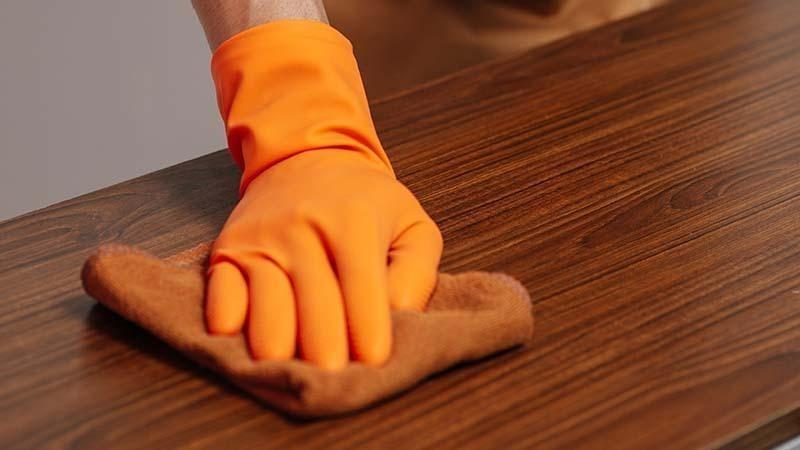
Let’s talk about some of the common mistakes we all make when picking a cleaning cloth.
1. Choosing by GSM Alone
GSM (grams per square meter) is only one part of the selection process. High GSM microfiber cloths are more absorbent. But they are also heavier, slow–drying, and more likely to shed lint.
2. Using One Cloth for Every Cleaning Task
A single microfiber cloth can be used for different cleaning tasks. But that doesn’t mean you should use only one cloth.
The biggest risk is cross-contamination and bacteria migration. Next, you have to consider wear and tear. A kitchen cloth will wear out more quickly compared to a glass cleaning cloth. And a worn-out cleaning cloth is more likely to scratch surfaces.
3. Ignoring Weave and Pile Structure
Fabric pile refers to raised strands and threads on the cloth surface. High pile means longer threads that result in higher absorption. But they are also more likely to shed and lint.
We recommend tight weaves with a low pile for lint-free cleaning.
4. Overlooking Edge Construction
Even the softest microfiber fabric becomes useless with a bad edge. Overlocked edges are durable but come with a higher chance of scratching delicate surfaces.
Choose edgeless or hemmed edges to minimize scratch risks.
5. Not Testing Your Microfiber Samples
You should wash your microfiber cloth samples to see if they shed or fade after a few washes. Avoid using fabric softener to preserve the cloth’s cleaning properties. In our experience, a high-quality microfiber cloth should withstand hundreds of washes.
Conclusion
Microfiber cloths are the perfect tool for cleaning residential and commercial properties. Switching from a cotton towel or old cleaning rag to a microfiber cloth is the biggest improvement to your cleaning game. It ensures faster and more hygienic cleaning and saves you money in the long run. Use the information covered in this article to plan out a microfiber procurement strategy.
Get Ultrasoft & Long-Lasting Microfiber Cloths from Manywell!
Manywell is one of the biggest microfiber manufacturers in China. We have a 20,000 sq. meter factory that can easily handle large orders. Our portfolio includes several types of microfiber cleaning cloths, sponges and mitts, and flat mops.
Cleaning businesses can take advantage of our generous bulk discounts on larger orders. Take your cleaning habits to the next level with Manywell. Contact Us Today!