
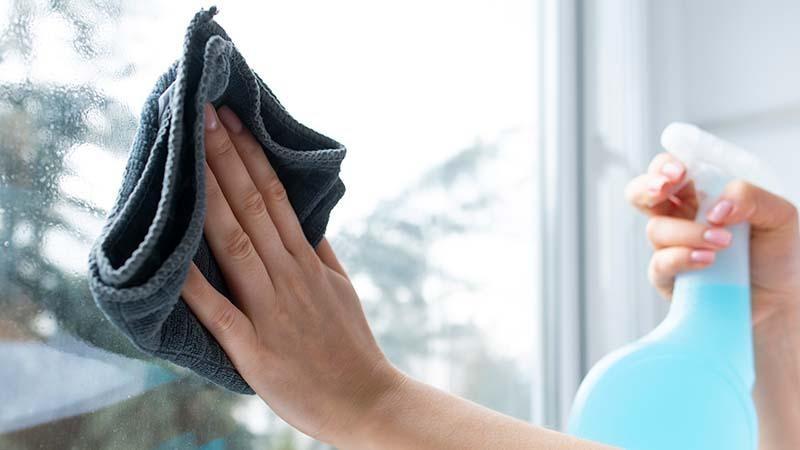
Microfiber cloths and towels have a complex structure. You can buy two microfiber towels labelled 80/20 blend and the same GSM. But still see drastically different absorption and lint performance. Why does that happen?
The answer is simple. Structural differences in the microfiber fabric. Aside from blend ratios and GSM weight, you also have to look at the weaving technique, edge stitching, and surface finish.
In this article, we dive deep into the different types of microfiber structure and explain their impact on cleaning performance.
What Is Microfiber Structure?
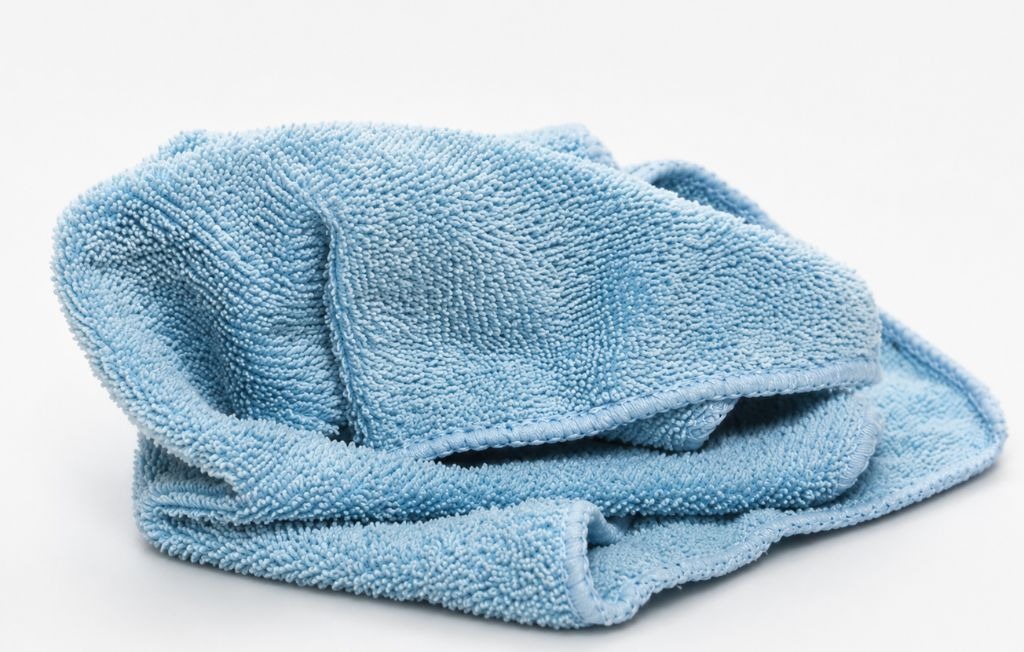
A standard microfiber cloth is more complex than you think. Its structure is not one thing but an entire system. Broadly speaking, there are four elements that contribute to the overall structure of the microfiber cloth.
Table 1 – Structural Factors: Things to check before procurement of microfibers.
| Types of Structure | Description | Impact on Performance |
| Split Fiber Structure | Cross-section of Microscopic Fibers | Star-like Cross-section is Better |
| Microfiber Composition | Ratio of Polyester to Polyamide | 20% Polyamide for Durability |
| 30% Polyamide for Softness | ||
| Microfiber to Fabric Knitting | Warp or Weft Knitting | Weft is Elastic but Less Durable |
| Warp is Durable but Not Elastic | ||
| Microfiber Cloth Surface Structure | Weaving & Edge Stitching | Flat Weaves are Durable |
| High Pile is More Absorbent | ||
| Edgeless Cloths are Scratch Resistant |
By customizing these four elements, you can increase the absorbency, softness, and weight of the microfiber towels and cloths.
How Fiber Structure Influences Microfiber Products & Their Performance
Now let’s move on to cleaning performance. Here is how each element of the microfiber fabric structure affects its usability.
1. Split Fiber Structure
A close look at the microfiber strands shows us that it has an almost star-shaped cross-section. By comparison, a cotton fiber has a uniform circular cross-section.
These split fibers attract and trap dirt particles. So you can clean a delicate surface without applying excessive pressure. A similar thing happens with water. The microfiber absorbs moisture through these rougher-looking split ends.
Microfibers have a diameter of approximately 10 micrometers, which is nearly 100 times thinner than a human hair.
2. Polyester and Polyamide Composition
Microfiber cloth manufacturers use different polyester and polyamide ratios to optimize the cleaning performance.
- Polyester is a cost-effective polymer. It is strong, flexible, and fairly lightweight.
- Polyamide (nylon) is softer, more absorbent, and a more costly material.
Table 2 – Comparing the benefits and trade-offs of different microfiber blends.
| Microfiber Composition | Structural Benefit | Trade-Off |
| 80/20 Blend | Better Durability | Lower Absorption |
| Lower Cost | ||
| 70/30 Blend | Softer Texture | Lower Durability |
| More Absorbent | Higher Cost |
3. Microfiber Fabric Knitting Technique
There are two main ways to knit microfibers into a towel or cleaning cloth.
- Warp Knitting: A horizontal knitting technique that combines several microfiber yarns into a single cloth. It’s less flexible but offers superior absorbency.
- Weft Knitting: A circular knitting technique that can use one or more yarn threads. This results in a stretchy fabric that has less absorbency. It’s more suited to synthetic clothing or athletic wear.
You can learn more about warp vs. weft knitting here.
4. Microfiber Surface Structure
Lastly, the microfibers can be woven in ways that change their surface area. Higher surface area means a more absorbent towel. But it also increases the risk of shedding lint and loose fibers.
Here is a general guide to microfiber weave options and their impact on cleaning performance.
Table 3 – Short overview of microfiber weave and its impact on cleaning applications.
| Microfiber Weave | Coral Fleece | Twisted Loop | Waffle Weave | Flat Weave |
| Absorbency | Highest | Higher | Medium | Low |
| Durability | Low | Medium | High | High |
| Lint Chance | High | High | Medium | Low |
Types of Microfiber Weave Construction And Their Impact on Cleaning Performance
Weaving has the biggest impact on the actual usability of microfiber products. So let’s take a deeper dive into microfiber weaves.
1. Twisted Loop (Terry) Microfiber
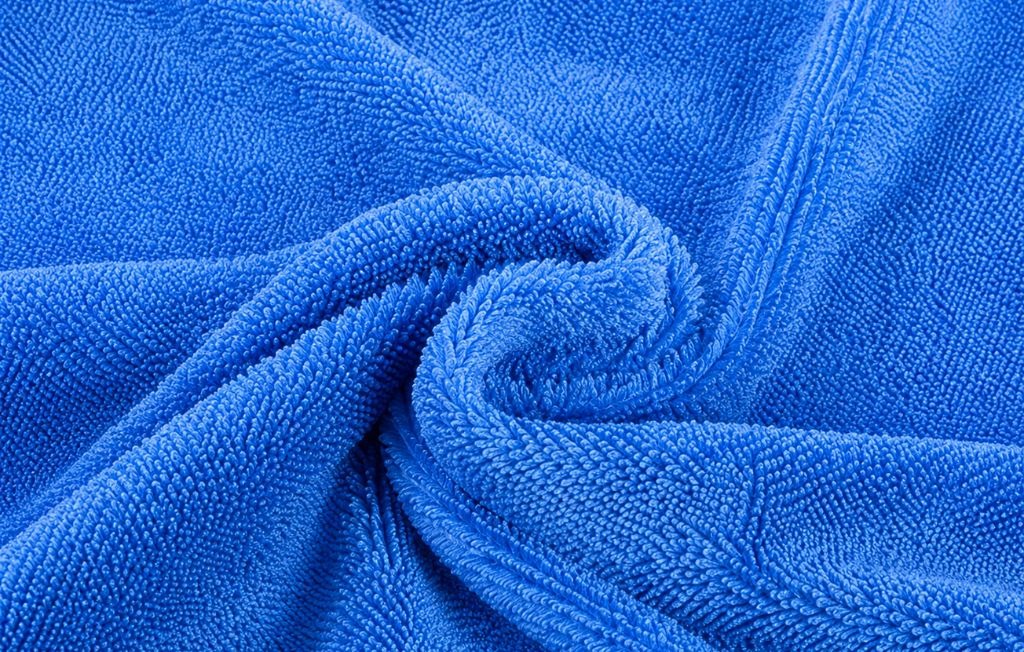
The most common type of microfiber weave. You see this weave on cotton and microfiber towels. It’s a standard cleaning option. It absorbs water, skin oils, sauces, and traps dirt. Automotive enthusiasts love this weave as it is the best way to dry a car without causing paint damage.
However, the surface loops are very delicate. They can get caught on sharp corners and stick to other fabrics. This means the towel is easy to damage and the chances of microfiber shedding are increased.
Recommended Use
- Facial or Body Care Towels
- Car Drying Towels
- Microfiber Mop Heads
- General Purpose Cleaning Cloths
- Car Wash Mitts
2. Waffle Microfiber
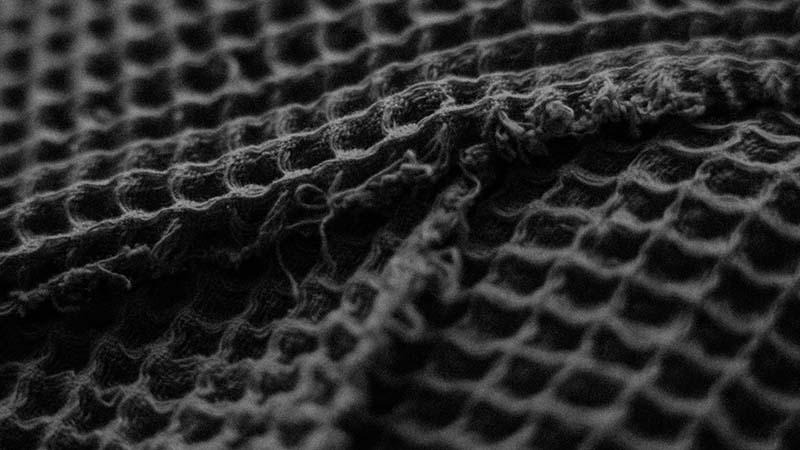
Waffle weave uses raised and depressed areas to increase the surface area. The grid-like pattern resembles a waffle. Hence the naming convention. It has slightly less absorbency compared to twist loop towels but results in one of the most durable forms of microfiber.
This is a balanced microfiber weave and great for regular cleaning applications. It absorbs and evenly distributes cleaning products like soap and disinfectant.
Recommended Use
- Kitchen Towels
- Table Cleaning Cloths
3. Coral Fleece Microfiber
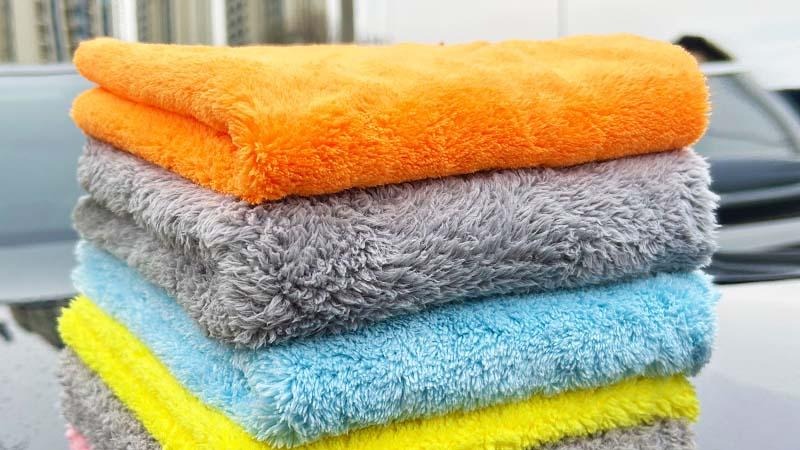
Coral fleece refers to a fur-like microfiber cloth. This soft fabric serves two purposes. Firstly, the soft feel is ideal for skin contact and facial use. Secondly, the fur-like surface fibers use static charge to attract dirt particles and water molecules.
Although this weave has incredible cleaning power, it has a major flaw: durability. Coral fleece microfiber towels are delicate and very easy to damage.
Recommended Use
- Facial Care Towels
- Cleaning Cloths for Sensitive Surfaces
4. Flat Weave / Suede Microfiber
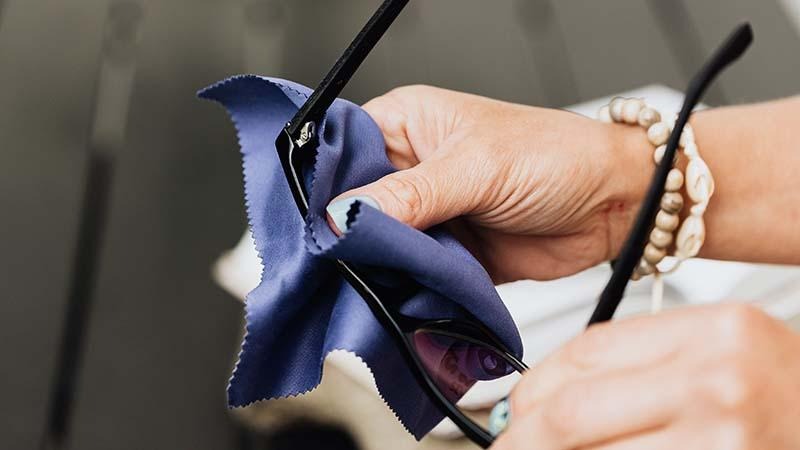
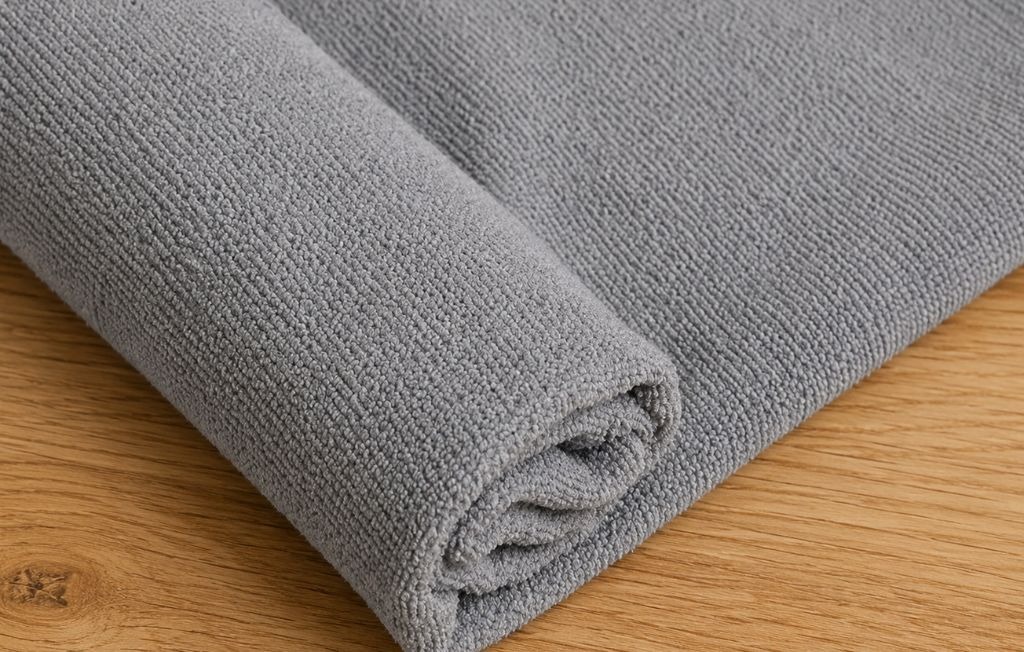
A flat weave microfiber cloth has a smooth fabric surface. It has the lowest ability to absorb moisture and remove dirt. So why use it? Simple: it will not scratch delicate surfaces. The ultra-fine flat weave means there is no place for dirt particles to hide and cause scratches.
Manufacturers also call it suede microfiber, so customers associate its softness with genuine suede leather.
Recommended Use
- Cleaning Optical Surfaces (Photographic Lenses & Eyewear)
- Soft Surfaces (Car Paint, Plastic Items, etc.)
- Screens (Smartphones, Laptops, TVs, etc)
5. Fish Scale Microfiber
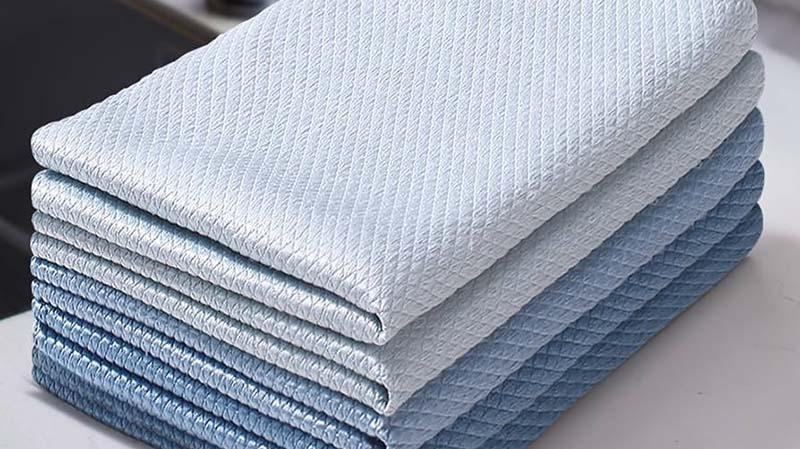
A fish scale microfiber cloth is a flat weave, with additional surface stitching. It improves absorbency and dirt removal while staying scratch-free and lint-free. It’s great for cleaning smudges, fingerprints, and dust from polished and reflective surfaces.
Recommended Use
- Glass Cleaning (Windows, Mirrors, & Glassware)
- Car Interior Cleaning
- Cleaning Stainless Steel Surfaces like Kitchen Appliances
Fish scale microfiber cloths fall under the category of low pile microfiber fabric.
How Pile Height and GSM Affect Microfiber Towel Performance
Fabric pile is a textile industry term. It’s a common way to measure the surface texture of a fabric. Low pile refers to a flat fabric surface. A high or plush pile refers to a fur-like texture.
GSM is another textile term that describes the weight of a fabric relative to its size. High GSM microfiber cloths are thicker, more absorbent, and weigh more. It’s also seen as a sign of a quality microfiber product. But there are several cases where you would want a lower GSM microfiber cloth.
When you increase the fabric pile height, the microfiber cloth becomes thicker. Thicker microfiber means higher GSM.
Table 4 – Relationship between microfiber pile height and GSM.
| Microfiber Pile Height | GSM Impact | Absorbency | Durability | Lint Risk |
| Low Pile | 200-300 GSM | Low | High | Low |
| Medium Pile | 300-400 GSM | Medium | Medium | Medium |
| High Pile (Plush) | Over 400 GSM | High | Low | High |
High pile microfiber weaves like coral fleece have an exceptional ability to trap dirt and water. But they are the most likely to shed. So in some cases, this high GSM microfiber towel design is not beneficial.
Choosing the Right Microfiber Structure for Different Applications
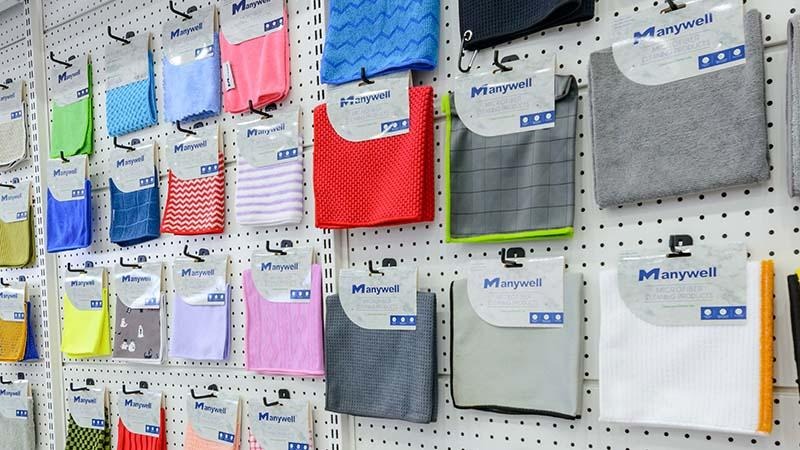
Knowing the properties of microfiber cloths and their structure can help you optimize your cleaning workflow. Different microfiber structures are suited to different applications.
Here are some recommended pairings for microfiber cleaning products.
1. Automotive Detailing
Microfiber excels at automotive detailing because they are soft and less likely to lint. Here are the most common types of microfiber products every automotive retailer should offer.
- High GSM Twisted Loop Towels: Large ones for SUVs and small ones for sedans and sports cars.
- Medium GSM Waffle or Fish Scale Weave: Products for cleaning windows and trims.
- Low GSM Flat Weave: Multiple SKUs for interior cleaning and detailing.
2. Glass Cleaning
Glass is a very hard material. It’s almost impossible to scratch under normal conditions. But since it’s clear and see-through, any small lint and loose fibers will be quite prominent.
- Smooth Flat Weave Cloths: For customers who want to clean camera lenses or eyewear.
- Medium Size, Waffle Weave: For home buyers who need drying towels for their glassware.
- Twisted Loop Microfiber: For cleaning windows and glass doors.
You can use the same microfiber for cleaning polished surfaces like stainless steel.
3. Kitchen Cleaning
With kitchen cleaning, you want to prioritize absorbency above all else. Whether it’s a small home kitchen or a large commercial one, you will regularly see spills. However, you also don’t want loose threads of microfiber around the food prep area.
So we mostly recommend just one type of microfiber. A high GSM waffle weave towel. However, businesses should always keep two or three variants on hand for different types of customers.
- Waffle Weave for General Cleaning
- Flat Weave for Cabinets
- Terry Cloth for Spill Cleanup
4. Commercial Cleaning
Commercial cleaning applications have the same requirements as any other cleaning task. However, commercial businesses value reliability, consistency, and longevity more than household cleaners.
You want microfiber towels that are easy to use, don’t leave lint, and can be quickly washed. Here are some basic guidelines.
- Low Pile Microfiber: Cleaning furniture and upholstery.
- High GSM: For drying & spill cleanup.
- Large Size: For cleaning tables, windows, walls, and other fixtures.
- Low GSM & Small: For delicate objects and complex shapes.
- Chenille or Terry Weave: Ideal option for floor mops.
5 Ways B2B Buyers Can Evaluate Microfiber Cleaning Cloth Structure
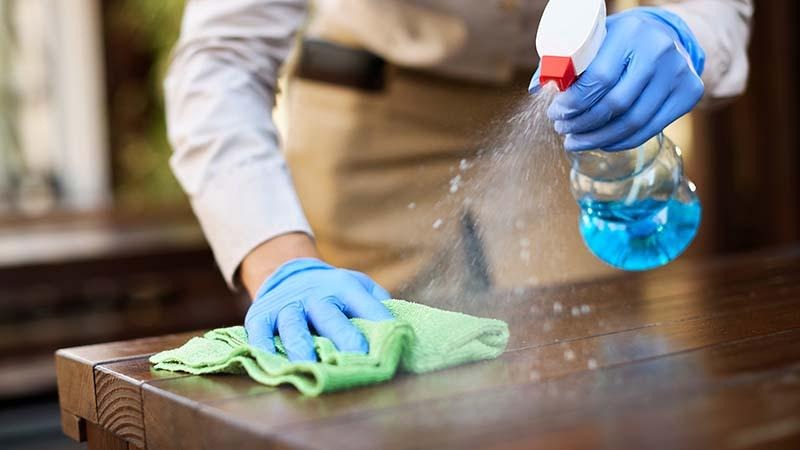
For the professional cleaner, you want a good system that helps you identify the capability of a microfiber cloth based on its structure.
Here are five things to look out for.
1. Fiber Composition
A 70/30 microfiber fabric is superior in most applications. But for general cleaning tasks like cleaning furniture, bathrooms, floors, or appliances, you should just use 80/20 microfiber.
2. Weave and Pile
You generally want to prioritize low-pile microfiber for its minimal linting risk. Especially for outdoor equipment that comes into guest contact. Then you can choose a weave option that matches your microfiber’s pile height.
3. GSM and Size
Use high GSM and large-size microfiber towels for cleaning spills or drying surfaces. Smaller microfiber cloths with a lower GSM weight are useful for fine detailing like cleaning antique furniture.
4. Edge Construction
Overlocked microfiber towel edges are very durable, but they are rougher than the surface texture. So they carry a fairly high risk of scratching. By comparison, ultrasonically cut edgeless microfiber is soft all around.
5. Sample Testing & Batch Verification
Always ask for a product sample before committing to a large order. Thoroughly test that sample to ensure that it matches your microfiber requirements.
You want to test a sample from every batch to ensure that quality and performance are consistent.
FAQ
Why Do Similar GSM Microfiber Perform Differently?
The difference in cleaning performance comes from the towel weave. Some weave options improve durability (flat & waffle), and others improve absorbency (twisted loop & coral fleece)
How to Test Microfiber Product Samples?
Wash your microfiber samples in cold water to test lint shedding, color fading, and decrease in softness.
How Does Microfiber Customization Affect MOQ & Lead Time?
Customization changes the basic microfiber production process, which increases lead time and cost. So manufacturers increase the MOQ requirement to stay profitable.
What Is Fabric Pile, and How Does It Impact Microfiber Performance?
Fabric pile is the length of microfiber threads protruding from the cloth. High pile means long threads that increase absorbency but are easy to damage.
What Is the Benefit of Flat or Suede Weave Microfiber?
Flat or suede weave microfiber doesn’t trap dirt particles and therefore has a lower risk of scratching surfaces. However, they also have a lower absorbency compared to other weaves.
Conclusion
Microfiber fabric is more complex than you may think. By changing the blend ratio, weaving technique, GSM weight, and pile height, you can fully customize the microfiber. You can improve the absorbency & softness or reduce lint & scratch risks based on your cleaning needs. Use the info from this article to plan your next microfiber procurement strategy.
Customize Your Microfiber Cloth Structure with Manywell!
Manywell is your one-stop shop for fully customizable microfiber cleaning products. We offer microfiber towels, cleaning cloths, scrubbing mitts, and flat mops in all types of weaves, GSM, and sizes.
Businesses can also avail of our generous discounts on bulk orders. Of course, you can always request a virtual factory tour and early samples before placing your order. Improve your cleaning habits with Manywell. Contact Us Today!