
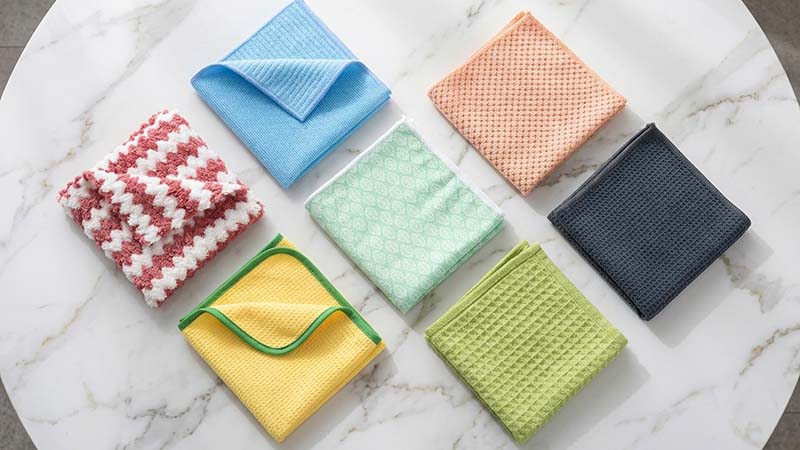
Microfiber towels are available in a hundred different varieties. This makes choosing the right one for your home or business quite challenging. You can choose from different compositions, construction techniques, sizing, weight, and weaving.
In this article, we break down this complex topic into simple terms. Find out about the best microfiber towels for your specific application and how certain properties improve cleaning performance.
Choose the Right Microfiber Towel for Your Application
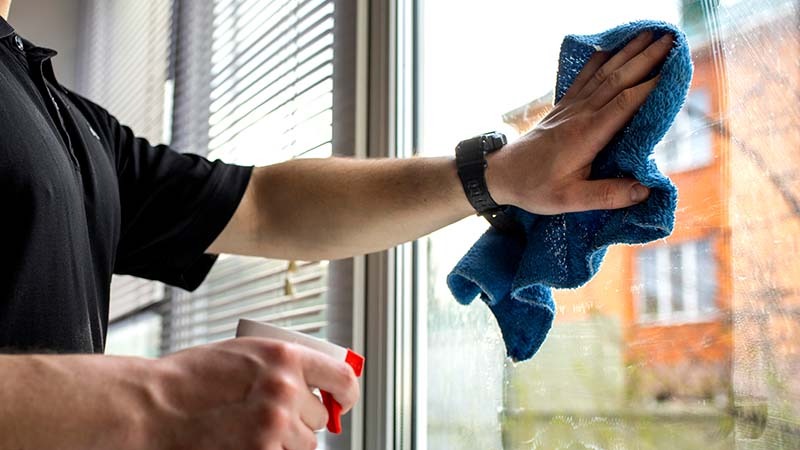
First, you need to identify your desired application for microfiber cleaning towels. Generally speaking, you can divide microfiber use cases into six categories.
- Car Cleaning: Car Drying, Interior Detailing, and Polishing.
- Glass Cleaning: Windows, Table Tops, and Mirrors.
- Cleaning Delicate Surfaces: Phone Screens, Eyewear, Camera Lenses, etc.
- Household Cleaning: Furniture, Kitchen, Bathroom, etc.
- Hospitality Industry: Body Care, Hotel Cleaning, Dining Area Cleaning, etc.
- Commercial Cleaning: Chemical Spill Clean-up, Grease Removal, Floor Cleaning, etc.
Prioritize microfiber properties that are best suited to your cleaning tasks. Use the following guide to match the right microfiber towel to your cleaning application.
Table 1 – Choosing the Right Microfiber Towel Based on Your Applications
| Cleaning Application | Types of Cleaning Tasks | Required Microfiber Properties |
| Car Cleaning | Car Drying | High Absorbency & Soft Texture |
| Interior Detailing | Ease of Use & Low Linting | |
| Polishing | Low Linting & Medium Absorbency | |
| Glass Cleaning | Windows | High Absorbency, Low Linting & Comfortable Hand Size |
| Glass Table Tops | ||
| Mirrors | ||
| Delicate Surfaces | Laptop & Phone Screens | Softness, Low Linting, Low Pile & Edgeless Design |
| Eyewear & Camera Lens | ||
| Household Cleaning | Furniture | Softness & Low Linting |
| Kitchen | Absorbency & Durability | |
| Bathroom | Low Linting & Durability | |
| Hospitality Industry | Body Care | High Absorbency & Softness |
| Hotel Cleaning | Durability, Low Linting, Quick Drying | |
| Dining Areas | High Absorbency, Low Linting | |
| Commercial Cleaning | Chemical Spills | Durability & Absorbency |
| Grease Removal | Durability | |
| Floor Cleaning | Absorbency & Quick Drying |
Choose the Right Microfiber Composition
Now that you have identified your preferred microfiber properties based on applications. Let’s discuss the fabric composition.
Microfiber towels are made from a blend of two synthetic fibers: Polyester (PET) and Polyamide (PA or Nylon). The blend ratio determines the softness, absorbency, and cost of the microfiber fabric.
Here are the four most popular types of microfiber blends.
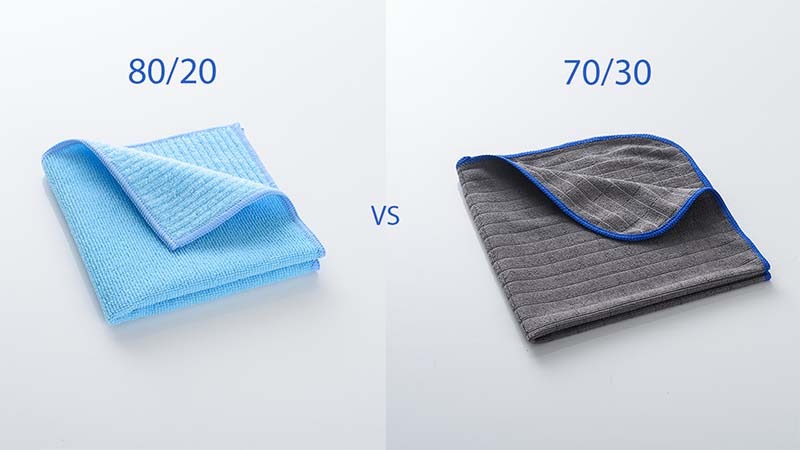
- 70/30 Microfiber: 70% Polyester / 30% Polyamide
- 80/20 Microfiber: 80% Polyester / 20% Polyamide
- 90/10 Microfiber: 90% Polyester / 10% Polyamide
- 100/0 Microfiber: 100% Polyester / 0% Polyamide
Learn more about 80/20 vs 70/30 microfiber towels here.
Table 2 – How Microfiber Composition Affects Microfiber Towel Performance
| Microfiber Blend | Softness | Absorbency | Durability | Cost |
| 70/30 Microfiber | ★★★★★ | ★★★★★ | ★★★ | ★★★★★ |
| 80/20 Microfiber | ★★★ | ★★★★ | ★★★★ | ★★★ |
| 90/10 Microfiber | ★★ | ★★ | ★★★★★ | ★★ |
| 100/0 Microfiber | ★ | ★ | ★★★★★ | ★ |
Choose the Right Microfiber Fabric Construction
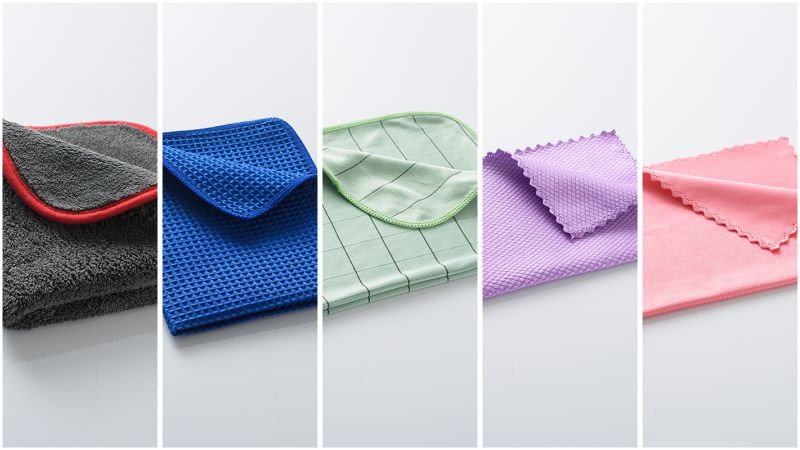
After you finalize the right composition for your microfiber towel, it’s time to choose a microfiber construction method. This process takes the microfiber thread (80/20 or 70/30) and weaves it into a towel.
- Microfiber Terry Towel: For general cleaning tasks like furniture, workbench, spill cleanup, and dirt removal. Has a higher scratch and lint risk.
- Twisted Loop Microfiber Towel: For car drying and automotive detailing tasks. Lower lint risk than terry towels.
- Waffle Microfiber Towel: Ideal for kitchen use such as drying dishes, cleaning counters, and wiping down appliances. Less absorbent than twisted loop microfibers.
- Microfiber Suede Cloth: Flat and smooth texture that is perfect for delicate surfaces like phones, screens, eyewear, and soft plastics. Has the lowest absorbency.
- Fish Scale Cloth: A hybrid design that sits between waffle and suede weave microfiber. Useful for cleaning glass and stainless steel surfaces.
- Coral Fleece Towel: Best suited for dry dusting. Has high softness but low durability. Its high softness also makes it a great option as a body towel.
Table 3 – How Microfiber Composition Affects Microfiber Towel Performance
| Microfiber Fabric Construction | Main Characteristics | Best Applications |
| Microfiber Terry Towel | Loops on Surface & High Absorbency | General Cleaning |
| Twisted Loop Microfiber | Twisted Loops on Surface & Higher Absorbency | Car Drying |
| Waffle Weave Microfiber | Waffle Texture & Balanced Absorbency | Kitchen Use |
| Microfiber Suede Cloth | Smooth & Flat Texture, Low Pile | Cleaning Delicate Surfaces |
| Fish Scale Microfiber | Flat Fish Scale-Like Texture | Glass & Mirrors |
| Coral Fleece Microfiber | Plush Texture & Super Soft | Dry Cleaning & Car Care |
Choose the Right GSM for Your Microfiber Towels
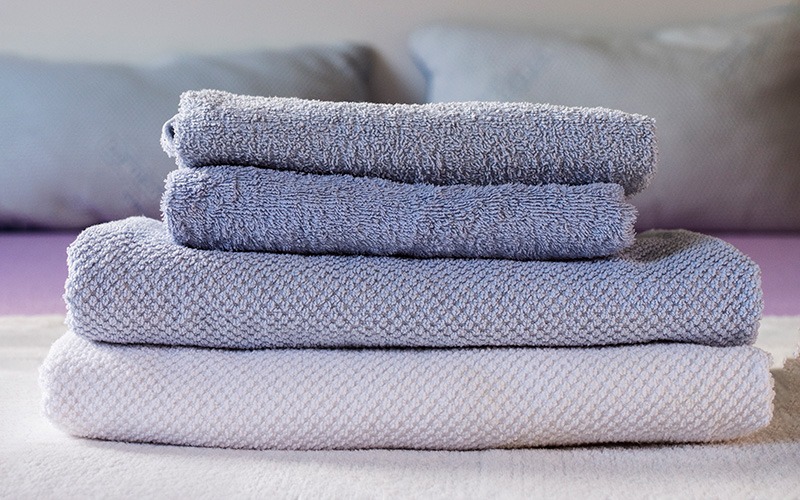
GSM, or grams per square meter, is a textile industry term that describes the weight of a fabric. High GSM microfiber towels are thicker and heavier. But they also come with higher absorption and water retention.
- 200-250 GSM: Thinner and fast-drying microfiber towels ideal for cleaning screens, lenses, eyeglasses, and other delicate surfaces.
- 250-350 GSM: Balanced cleaning performance with good absorbency and decent drying times. Ideal for general cleaning, kitchen use, and floor cleaning.
- 350-450 GSM: High absorbency for spill cleanup and damp wiping of furniture, workbenches, appliances, etc.
- 400-600 GSM: Heavy and highly absorbent microfiber towels recommended for the hospitality industry (hotel rooms, spas, pool towels, etc.)
- 600-1200+ GSM: Highest absorbency with a streak-free finish. Mostly used as drying towels for cars and other large vehicles.
Choose the Right Size and Thickness for Your Microfiber Towels
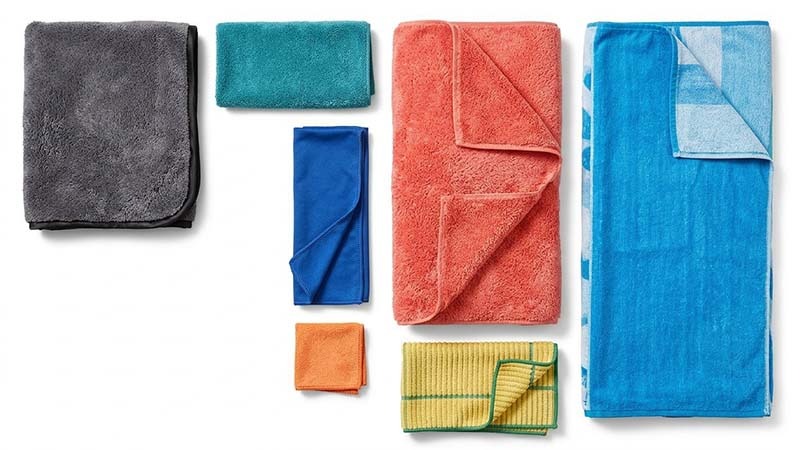
Now that you have most of the microfiber towel properties finalized, it’s time to talk about microfiber towel size. Your application and handleability determine microfiber towel sizes. Larger towels absorb more but can be harder to handle. They also take a lot longer to dry than smaller, thicker towels.
- 20×20 cm to 30×30 cm: Excellent handleability, good for cleaning small items like eyeglasses, phones, tablets, camera lenses, etc.
- 30×30 cm to 40×40 cm: Good size for general wiping and cleaning applications.Recommended for cleaning furniture, appliances, and car interiors.
- 40×60 cm to 50×70 cm: A large size that is ideal for cleaning up spills, grease, and other big messes. Recommended for kitchen use, bathroom use, and other drying applications.
- 60×90 cm and Larger: Only useful for drying larger vehicles or as bath towels at hotels and resorts.
Common Microfiber Towel Packaging Options
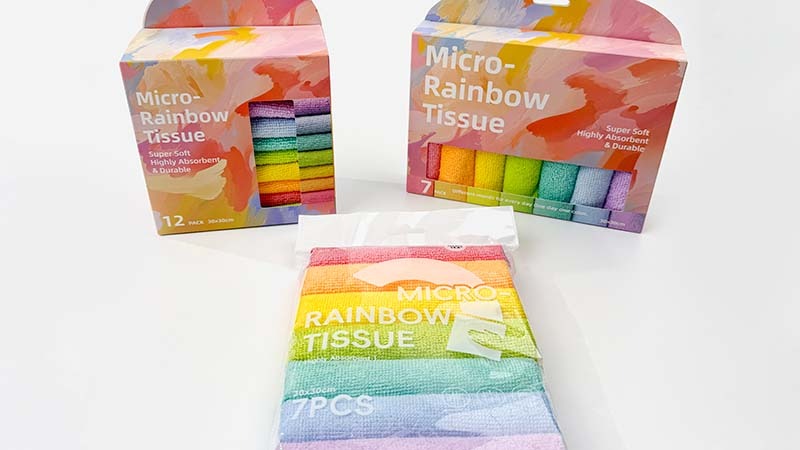
When you order microfiber towels from a towel manufacturer, you can also choose their factory packaging options. The exact packaging depends on whether you’re selling microfiber wholesale or retail.
Wholesale Microfiber Packaging
Microfiber towels are packed as a large set of a few hundred units. These are large, heavy shipments that often have a wooden crate for extra reinforcement.
The biggest advantage of wholesale microfiber packaging is the cost.
Retail Microfiber Packaging
Retail packaging involves individually wrapping a microfiber towel in a plastic bag with a cardboard sleeve that shows your branding and logo. It also allows you to segregate your products based on size, colors, and other performance factors.
The catch is that this can be quite expensive. However, it’s also important to note that retail packaging from the factory is more cost-effective than ordering in bulk and packaging the products yourself.
Choose a Reliable Microfiber Towel Manufacturer
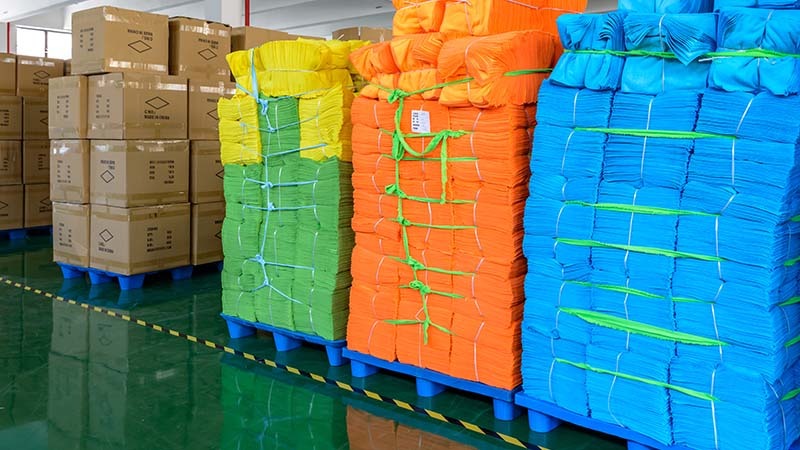
The last but most important step in any microfiber procurement plan is choosing a reliable manufacturer and supplier. Here are seven factors to consider when choosing a microfiber towel factory.
- Look at the Factory Capacity.
- Ask for Customization Options.
- Request a Copy of the Necessary Business Licenses.
- Ask for a Detailed Plan on Lead Times and Shipping.
- Always Request an Early Sample before Committing to a Large Order.
- Test the Sample thoroughly by measuring the size, weight, GSM, and colorfastness through washing.
- Ask about MOQ (minimum order quantity) and bulk discounts.
FAQ
Is 80/20 or 70/30 Microfiber Better?
80/20 microfiber towels are more durable and better suited for heavy cleaning tasks. In comparison, 70/30 microfiber products are softer, which makes them ideal for cleaning delicate surfaces like glass, plastic, or car paint.
Which Microfiber is Better, 500 GSM or 800 GSM?
800 GSM microfiber towels have high absorbency and are useful for drying applications. Whereas anything under 500 GSM has lower absorbency but is easier to handle.
Which is Better, Microfiber or a Cotton Bath Towel?
Microfiber bath towels are generally better because they are hypoallergenic and possess antimicrobial properties.
How Often Should Microfiber Towels Be Replaced?
Household microfiber towels see less use and should be replaced after 3-5 years of use. Commercial microfiber towels like the ones used in hotels should be replaced after 1-2 years of use.
Can Microfiber Towels Be Used Both Wet and Dry?
Microfiber towels attract and trap dirt between the fibers. So you can effectively clean most surfaces with a dry or slightly damp microfiber cloth. For stubborn stains, you can use a wet microfiber towel.
How Should You Wash Microfiber Towels?
Microfiber towels are delicate, and you should wash them in cold water using a mild detergent. Avoid fabric softener and concentrated bleach, which can damage the microfibers. Lastly, air-dry your microfiber towels for the best results.
Conclusion
Choosing the right microfiber towel is a tough job. But when you have the necessary knowledge on microfiber properties and customization options, it becomes a lot easier. Always choose microfiber towels based on your cleaning applications. High GSM and a 70/30 microfiber blend are premium options, but they aren’t always the best choice. You often need a more durable and lightweight microfiber for fine detailing and cleaning.
Get the Perfect Microfiber Towels from Manywell!
Manywell has been manufacturing high-quality microfiber products for nearly two decades. We specialize in all types of microfiber towels, including microfiber terry towels, waffle weave towels, beach towels, and coral fleece towels. In addition to these, we also have microfiber mop heads, scrubbing mitts, and more.
Every Manywell product is fully customizable. You can get your brand name, logo, and images added to our premium microfiber towels. Businesses can also avail themselves of our extensive discounts on bulk orders.