
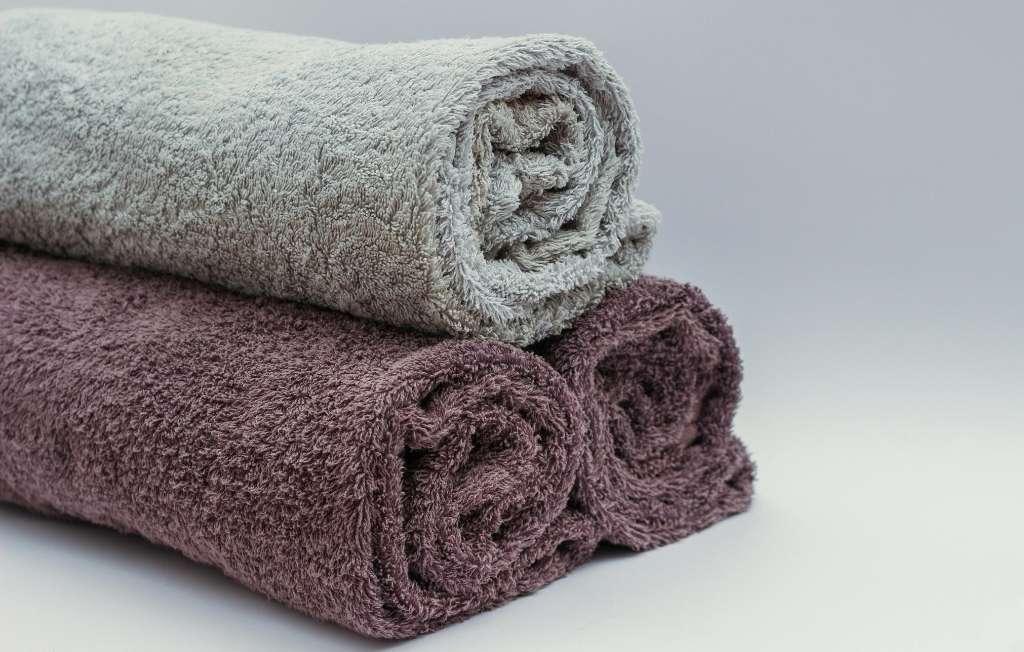
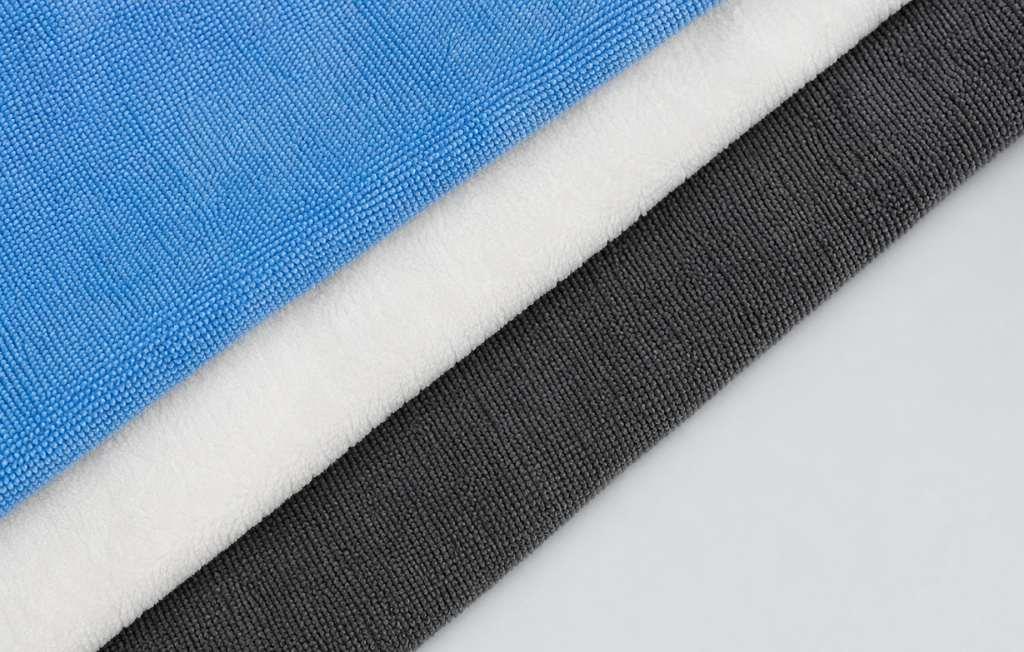
Microfiber towels are now the all-around replacement for nearly every wiping need. Paper towels. cotton rags. Random fabric scraps. They are rarely ever found in modern household cleaning.
Microfiber cloths have replaced them, especially contributing to their remarkable performance in everyday cleaning. But do microfiber towels wear out? Absolutely.
Even high-quality microfiber cloths lose softness, absorbency, and cleaning performance after repeated use and washing.
So, how long do microfiber towels last, how long do microfiber cloths last, and when to replace microfiber towels? The answer depends on quality, washing habits, proper care, and the type of cleaning task.
How Long Do Microfiber Towels Usually Last?

Many brands claim their microfiber towels are long-lasting. But this label is often quite vague. You also cannot give one exact wash count or age by putting all microfiber cloths in the same box.
- So, how long do microfiber towels last?
For household cleaning, they may last from several months to a few years, especially if they’re high-quality and maintained properly.
- How long does microfiber last in professional use?
In hotels, janitorial work, industrial cleaning, or car detailing, the replacement cycle tends to be shorter. This is usually because they are used frequently and at times for heavy-duty cleaning
- How many washes do microfiber towels last?
This depends on when they start shedding, dragging on surfaces, or losing absorbency. That’s usually the end of microfiber towel lifespan.
What Determines the Lifespan of Microfiber Towels
70% of microfiber cloth lifespan is decided during production. The 30% depends on its maintenance.
Certain factors like GSM,material blend, recycled vs virgin yarn etc.can have a major impact on how long a towel lasts. But poor washing and storage habits can shorten the lifespan even further, especially with lower-quality microfiber.
GSM
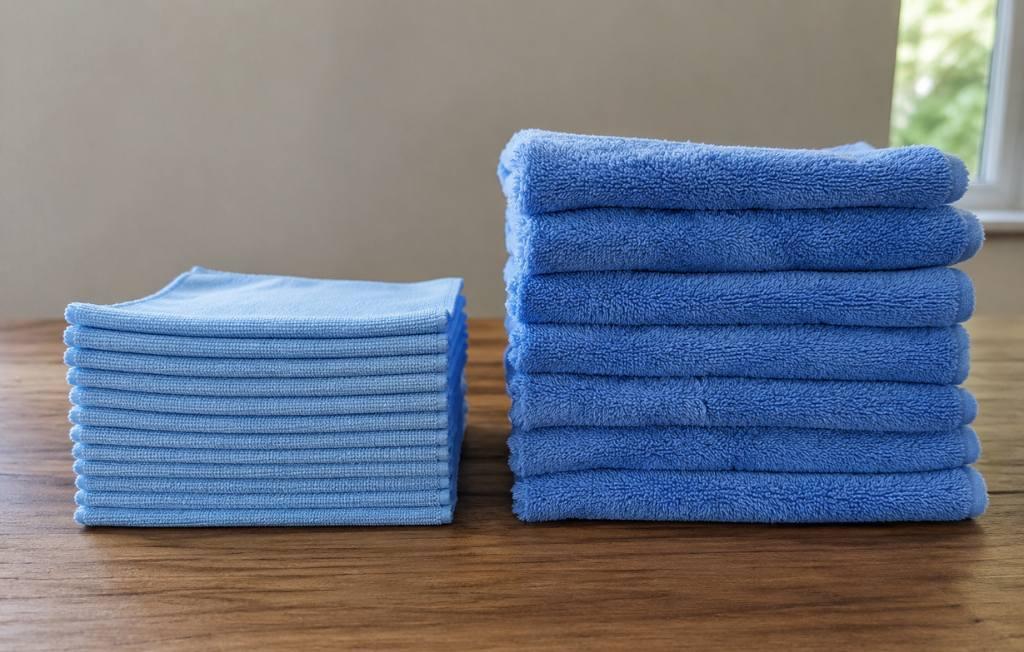
GSM is how much fabric weight is packed into one square meter. It ultimately impact everything from the cloths feel to its performance. The higher the GSM the plusher and thicker it will be.
You will likely find high GSM more commonly used for commercial microfiber towels and microfiber towels for car detailing. But that is mainly because it better fits their intended use. High GSM isn’t always better and low GSM isn’t always a bad thing.
Usually GSM ranges have assigned applications. Using them within their means can help last microfiber towels last longer.
Table 1: GSM Range
| GSM Range | What It Usually Means for Lifespan |
|---|---|
| 250 to 300 GSM | Lasts well for light wiping, dusting, and glass cleaning when used gently |
| 250 to 300 GSM | Good balance for daily cleaning, kitchen use, and general commercial work |
| 400 to 600 GSM | Better for drying, polishing, and car detailing because it has more fiber density |
| 600+ GSM | Feels plush and absorbs more, but can trap residue if not washed properly |
Material Blend
The lifespan of your microfiber cloths is at times largely dependent on the material their made of. Most microfiber towels are made from polyester and polyamide. Polyester adds strength. And polyamide is what makes it soft and absorbent.
The ratio between them can affect how the towel feels, cleans, and holds up after repeated washing.
- 80/20 blend: Durable and cost-friendly for regular cleaning.
- 70/30 blend: Softer and more absorbent for glass, paint, and delicate surfaces.
- Poor fiber splitting: Towels may feel soft at first but lose absorbency quickly.
- Recycled yarn: Reduces cost, but fibers are usually weaker and more likely to shed lint.
Usage and Washing
A towel used daily in kitchens, hotels, or commercial cleaning will wear faster than one used occasionally for dusting. Wheels, grease, and rough dirt also put more stress on the fibers.
Poor washing speeds damage up even more. Fabric softeners, bleach, harsh detergents, hot water, and high heat can weaken microfiber over time. Mild detergent, low heat, and dry storage help maintain softness and absorbency.
Signs Your Microfiber Towels Need to Be Replaced
If you find yourself asking, “Why do microfiber towels stop absorbing?”, it’s time for a replacement. But this alone shouldn’t be the deciding factor for your microfiber towel replacement. Knowing the signs of degradation of the towels can help prevent surface damage.
Table 2: Common Signs of Microfiber Wear
| Sign of Wear | What It Usually Means |
|---|---|
| Weak absorbency | If water sits on the towel instead of soaking in, the fibers may be blocked by grease, detergent, or fabric softeners. |
| Rough or stiff texture | A towel that feels scratchy or waxy after washing is no longer safe for glass, paint, or polished surfaces |
| Lint or streaks | The towel is no longer cleaning properly and may leave marks behind during household cleaning or car detailing |
| Dragging on surfaces | Worn fibers stop gliding smoothly and can create performance issues on delicate surfaces |
| Frayed edges or holes | Loose stitching, thinning fabric, and edge damage are common signs of wear and tear |
| Bad smell after washing | Usually caused by trapped moisture, dirt, or residue deep inside the microfiber cloth |
Why Do They Degrade Over Time
Several factors can damage microfiber cloths over time. Care rules and storage conditions play a big role in how fast they degrade.
Certain factors can accelerate degradation, causing them to deteriorate well before you expect them to.
Table 3: Common Causes of Microfiber Damage
| Cause | Effect on Microfiber |
|---|---|
| High heat above 60°C / 140°F | Fibers weaken, harden, or melt |
| Fabric softeners and dryer sheets | Fibers get coated and stop absorbing properly |
| Harsh chemicals and bleach | Towel loses softness and cleaning power faster |
| High spin washing | More friction and fiber breakage |
| Washing with other fabrics | Lint sticks inside the towel |
This is what normal degradation usually looks like in a quality microfiber towel with a premium feel. The exact lifespan can still vary based on GSM, washing habits, cleaning tasks, and proper care.
Table 4: Microfiber Cloth Lifecycle
| Lifecycle Stage | Approximate Wash Cycles | What Happens |
|---|---|---|
| Peak Performance | 0 to 30 washes | Towel feels soft, highly absorbent, and picks up dirt and moisture easily |
| Early Wear | 30 to 80 washes | Minor edge fraying may appear, softness slowly drops, but cleaning performance is still strong |
| Decline Phase | 80 to 150 washes | Absorbency becomes weaker, lint transfer increases, and the towel may start dragging on surfaces |
| Heavy Degradation | 150+ washes | Fibers begin clumping or breaking, streaks become more common, and the towel loses much of its cleaning effectiveness |
| Retirement Stage | Varies by use | Towel is no longer safe for glass, paint, or delicate surfaces and should be moved to rough cleaning tasks |
Care Guide: How to Make Microfiber Towels Last Longer
Age alone does not decide microfiber towel lifespan. In fabric care, wash cycles are usually the better way to judge wear because repeated washing slowly breaks the fibers down. The good part is these microfiber towel care tips can help make the why do microfiber towels stop absorbing biggest difference:
- Wash microfiber separately from other fabrics to avoid lint buildup.
- Use a gentle detergent instead of bleach or harsh detergents.
- Avoid fabric softeners and dryer sheets because they coat the fibers.
- Use warm water and low heat settings while drying microfiber.
- Air dry when possible to reduce heat stress.
- Rotate towels for different tasks instead of using one towel everywhere.
- Store clean towels in a dry place away from moisture and dirt.
What B2B Buyers Should Check Before Ordering Microfiber Towels
A microfiber towel may feel soft, but long-term performance matters more. Smart buyers check technical details before bulk orders.
Ask About Material Composition
Check whether the towel uses an 80/20 or 70/30 blend. Also, ask if the yarn is virgin or recycled because this can affect softness, durability, and long-term consistency.
Check GSM and Towel Size
GSM affects thickness, absorbency, and lifespan. A towel made for glass cleaning will not need the same GSM as a car drying towel. Size should also match the cleaning task instead of using one towel for every application.
Review Edge Stitching
Weak stitching is one of the fastest ways a towel starts fraying. Buyers should ask about edge stitching density and fray resistance, especially for towels meant for repeated washing.
Don’t Choose Only by Price
Cheap microfiber towels may save money upfront, but poor fiber splitting, recycled yarn, and weak stitching often lead to faster wear, lint shedding, and shorter lifespan. For commercial use, consistency matters more than the lowest price.
Request Samples Before Bulk Orders
Always test samples before committing to large orders. Wash them multiple times and check softness, absorbency, lint shedding, shrinkage, and durability after repeated use.
Confirm Packaging and Labeling
For retail and wholesale microfiber towels, packaging matters almost as much as the towel itself. Ask about barcode labels, private label packaging, custom microfiber towels options, color options, and logo customization.
Confirm Quality Control Standards
Good suppliers should be able to explain:
- Fiber splitting standards
- Industrial washing cycle testing
- Lint control
- Consistency between sample and bulk production
Conclusion
Smart buyers know that specs on paper are not enough. There’s far lot to consider when evaluating the quality of microfiber towels.
At Manywell, we don’t just claim to sell the best microfiber towels for cleaning. We encourage buyers to test them first because we trust our microfiber products and quality standards.
As a microfiber towel manufacturer, Manywell supports OEM and ODM customization. Giving you flexibility to choose GSM, size, weave type, color, logo printing, packaging, labeling, and product sets. Every order also goes through quality checks because we take our customer’s satisfaction seriously.
Contact us today if you have any inquiry regarding the quality of our microfiber towel sets.