
Do your microfiber mop heads start smelling bad after a few uses? Are you noticing persistent water streaks on the floor even after cleaning? Microfiber mop heads are reusable, but they may lose their function without proper care and maintenance.
As a result, they retain residues, lose absorbency, and start changing color. This is especially costly for hotels, malls, and hospitals because mop replacements add up quickly. High-quality mops combined with proper care can remain functional for a long time. Here’s how to clean any microfiber material, including mop heads, correctly.
Can You Wash Microfiber Mop Heads?
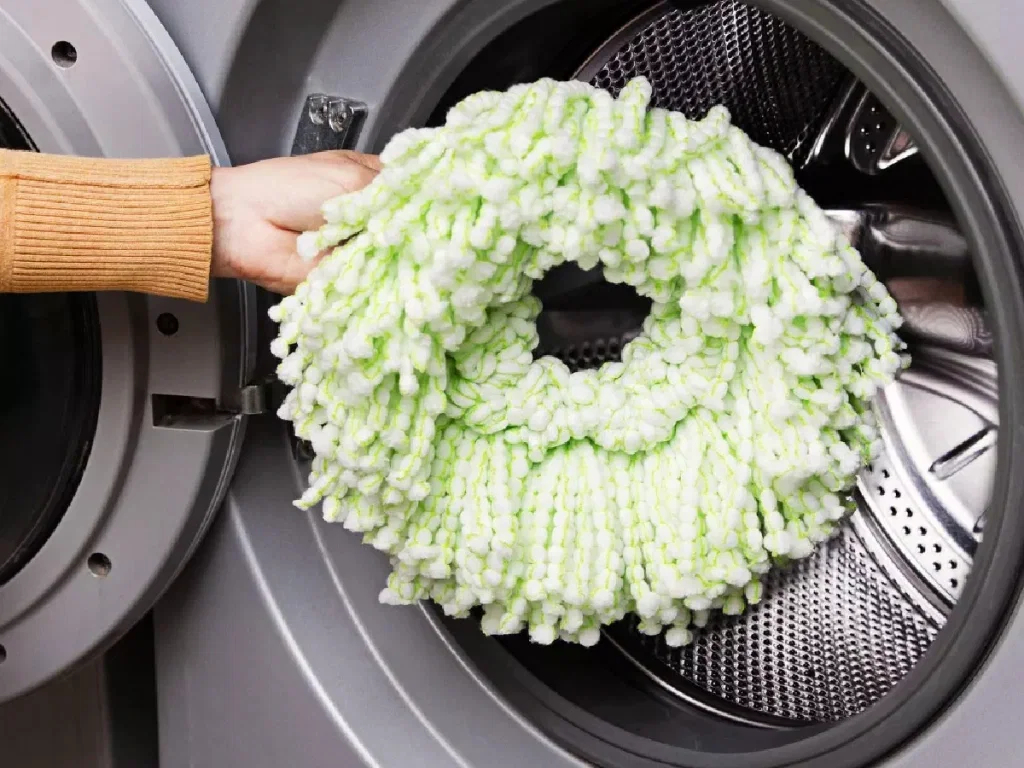
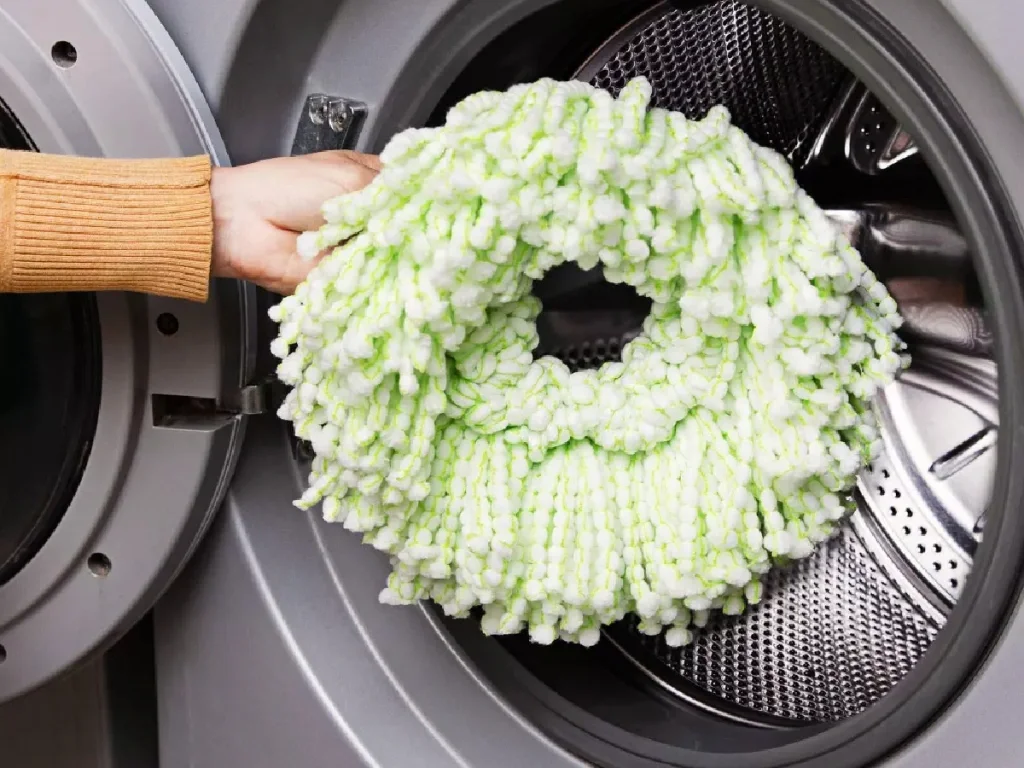
Yes, you can wash microfiber mop heads and other microfiber items. Home users can wash them by hand. Commercial cleaning teams, hotel owners, or public building managers have the microfiber products in bulk. They can wash them in a machine.
However, it is not essential to wash microfiber cleaning cloths every time you use them. You can simply wash lightly used mop heads or pads after every 3 washes. Proper preparation can help improve the cleaning efficiency while maintaining durability.
Essential Preparation Before Cleaning Microfiber Mop Heads
Before washing microfiber mop pads and heads, you must have the following things prepared:
- Detergent: Use a mild detergent without any fragrances, dyes, or harsh chemicals.
- Water at the Right Temperature: The recommended temperature to wash microfiber mop heads is between 60°C and 95°C.
- Laundry bag: A laundry bag can help wash the mop heads while preserving their delicate fiber.
- Bucket and Soft Brush: To remove tough dirt, you can soak the mop head in a bucket and scrub it with a soft brush.
- Drying Rack: It is best to hang dry with cleaned microfiber items. So, you will need a drying rack placed in a well-ventilated space.
Washing the microfiber mop heads and pads with proper care is not only about cleaning convenience. Rather, it helps maintain their absorbency. This reduces the replacement costs and improves cleaning effectiveness, especially for commercial cleaning teams.
How to Machine-wash Microfiber Mop Head
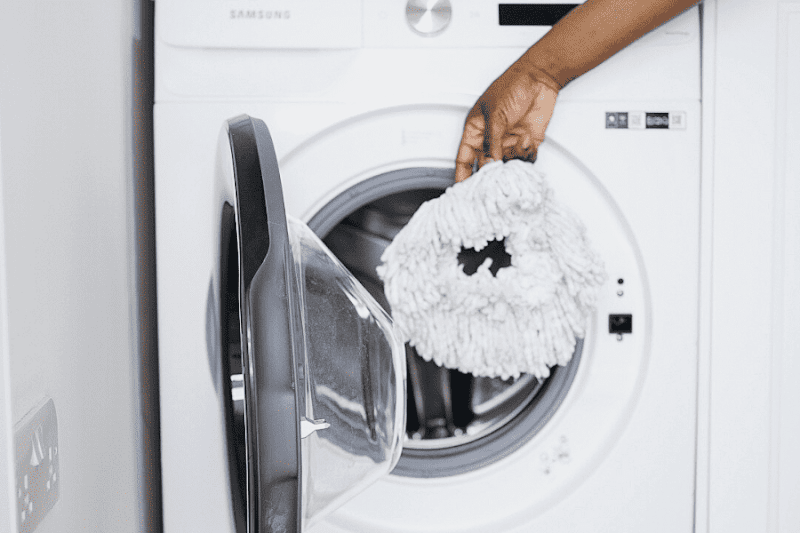
Microfiber mop heads and pads are both hand-washable and machine-washable. Here is how to wash microfiber mop pads and heads in a machine:
- To remove the trapped dirt and grime, rinse the microfiber mop head under running, clean water.
- Separate the microfiber mop heads from other cleaning towels and put them in a laundry bag.
- Set the washing machine on a delicate cycle.
- Add a mild detergent to the detergent tray.
- Once the mop heads and pads are washed, prepare them for drying.
How to Hand-wash Microfiber Mop Head
Hand washing is mostly recommended for home users. The best way to clean microfiber mop heads by hand is:
- Fill the bucket with warm water and add a gentle detergent. You can also use cold water for lightly used mop heads.
- Soak the microfiber mop head in it for 5-10 minutes to loosen the trapped dirt.
- Gently agitate it to get rid of grime and trapped dirt.
- Use a gentle brush to remove stubborn stains.
- Refill the bucket with cool water and rinse the mop head a few times to remove all the dirt, stains, and trapped detergent.
- Gently squeeze the water out of the mop head strings, and air-dry it.
| Common Mistakes to Avoid | Reason |
| Using harsh detergents or fabric softeners | Clogs the microscopic gaps and reduces their cleaning power |
| Using Bleach | Degrades the material |
| Using Hot Water | Melts down the synthetic polymers |
| Washing with cotton cleaning items | Traps lint from other materials |
| Mixing greasy rags with mop heads | Traps oil |
| Drying at high heat | Causes the shrinkage of microscopic fibers |
| Using Dryer Sheets | Waxy residue reduces absorbency |
| Storing wet mop heads | Enhances mildew growth |
Removing Stains, Deep Cleaning, and Sanitizing Microfiber Mop Heads
Deep cleaning and sanitizing should only be reserved for cleaning heavy-duty microfiber cloths and mops. To remove the stubborn dirt:
- Mix a mild detergent with warm water in a bucket and let the mop head soak for a few hours.
- Once the grease, oil, and dirt loosen, rinse them thoroughly.
- If there are any stains still present, use an enzyme-based stain remover to pre-treat stains.
- Finally, machine wash or hand wash it.
- To remove bacteria and other germs, you need to disinfect or sanitize it. For this use diluted bleach or vinegar.
- Mix half a cup of either of the two in one gallon of warm water.
- Soak the mop heads in it for half an hour and rinse them.
Drying, Storage, and Maintenance Tips
Once the mop heads are clean, it is best to:
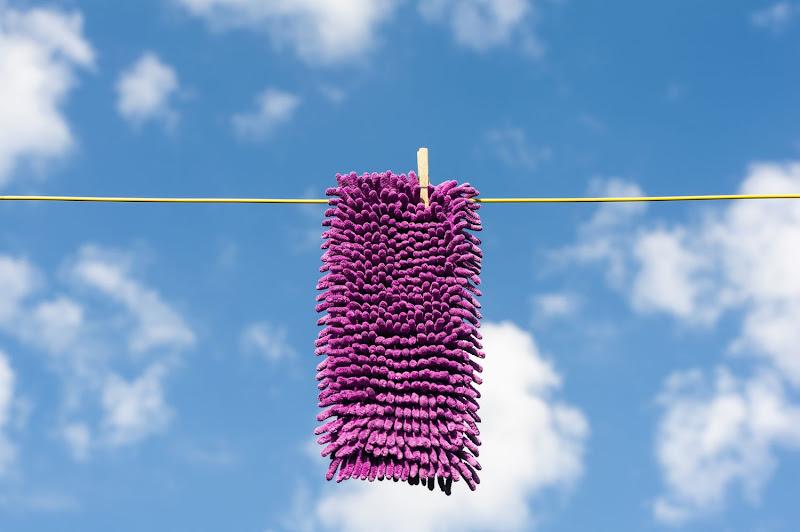
- Air-dry them in a well-ventilated area away from direct sunlight. You can hang them dry with their fibers hanging down.
- You can also tumble dry the mop heads, but make sure that the machine is set on a low heat.
- Once they are completely dry, store them in a clean area away from moisture.
- Keep checking the microfiber mop heads and pads after every few washes. You can look for stiffness or any other signs of wear and tear.
- Read the instructions provided by the manufacturer on the label before washing and drying the microfiber cloths.
Quick After-Use Daily Care Tips for Durability
Here are some quick after-use daily care tips to enhance the longevity of microfiber mop heads:
- If you mop floor daily, Vacuum or shake the mop heads after every use to remove dirt and trapped debris.
- If the mop pads or heads are used to clean oily or greasy surfaces, rinse them immediately in water after every use. This helps prevent oil and dirt from becoming trapped in the fibers over time.
- Hotels and commercial cleaning services can improve hygiene by implementing a color-coded mop system. Assign different mop heads to kitchens, bathrooms, and common areas to reduce cross-contamination.
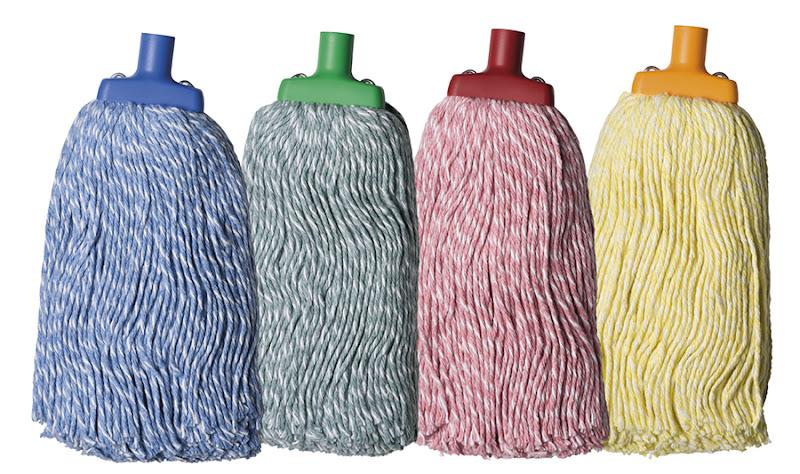
- If the mops are wet, make sure to wring out excess water. Once they are dry, you can store them.
The Right Time to Replace Microfiber Mop Head
The lifespan of microfiber mop heads varies from 200 to 500 washes, depending on their usage, quality, and chemical exposure. Your microfiber mop head or pad needs replacement when you notice:
- Persistent Odors: If there are any lingering smells even after deep cleaning, replace them.
- Reduced Cleaning Results: If the microfiber mop head is unable to absorb water, the floor remains sticky, or you notice uneven spreading of water, replace it.
- Visible Signs of Damage: When the microfibers start feeling stiff, or their strings shrink or start changing colors, you need to get a new mop head.
B2B Purchasing Guide: Choosing Durable Microfiber Mop Heads
Microfiber mops works well for all types of floors including hardwood or concrete floors. However, low-quality mop heads often seem cost-effective at first. Their threads start coming off loose within a short time, or they fail to clean properly. This leads to more frequent replacements and higher costs for commercial cleaning teams.
How to choose the right microfiber mop heads? Before making your purchase, pay attention to:
- Microfiber Yarn Quality: Choose tightly woven microfiber yarn that can resist fraying even after repeated washes.
- GSM and Thickness: Low GSM microfiber mop heads are useful for light cleaning tasks. High GSM mop heads are usually thick and offer higher absorption.
- Stitching Quality: A good quality mop head should have strong and even stitches. It helps prevent the mop head from coming apart during washing.
- Size Compatibility: Ensure that the size of the mop head is compatible with the handle size.
Where to Find High-quality Microfiber Mop Heads? Check Out Manywell Microfiber Cleaning Products
Manywell supplies high-quality microfiber mop heads in various colors, attachment styles, yarn structures, and sizes. Hotel owners, commercial cleaning brands, and product distributors can also avail our customization service.
FAQs
Why does my microfiber mop head have a bad smell?
If the microfiber mop heads are not washed or stored properly, they might smell bad. Wrong practices that can cause odors include using the wrong detergent, applying fabric softeners, or storing wet mop heads.
Why is my microfiber mop head stiff?
Excessive detergent or fabric softeners can leave a residue in the microscopic gap of microfiber mop heads. It results in fiber stiffness. In addition, using a dryer on high heat can cause the fibers to shrink and become stiff.
Why do microfiber mop heads lose absorbency?
Without thorough cleaning of oil, grease, or stain residues, the mop heads can easily lose absorbency. In addition, poor quality fiber can also affect their performance after repeated washes.