
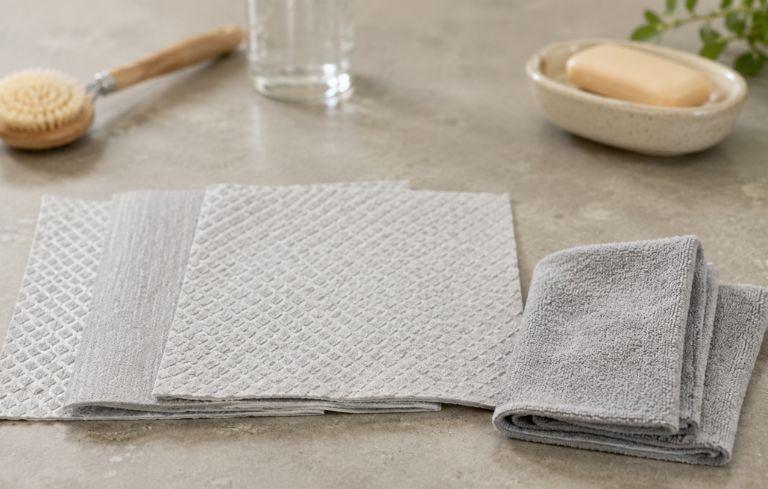
Swedish dishcloths are the new hype product in kitchen cleaning. They are an eco-friendly alternative to paper towels. The cleaning performance is truly impressive. And include the Scandinavian branding, which, admit it or not, adds to their appeal
But is this market worth getting into?And how does it compare to classic microfiber cloths, which are already known for picking up dirt, lint, dust, and liquid so well?
This guide breaks down Swedish dishcloths vs microfiber cloths. Their differences, and which one may serve your business better.
Why Buyers Compare Swedish Dishcloths and Microfiber Cloths
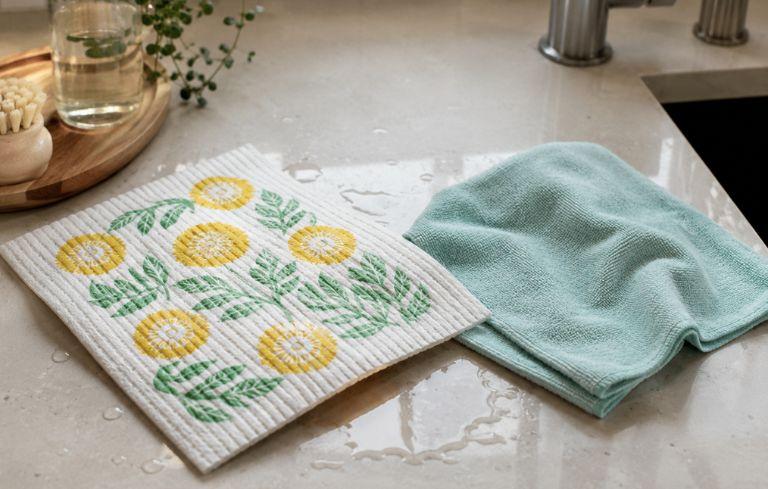
Both Swedish dishcloths and microfiber cloths target a relatively similar market. Buyers are looking for reusable and low-plastic-waste cleaning products. But they are still very different.
Swedish dishcloths are marketed as super absorbent, biodegradable, reusable kitchen cleaning cloths. They are used in washing dishes or cleaning down surfaces.
Microfiber cloths are used for more versatile cleaning. They can clean glass, furniture, electronics, car detailing, and general home cleaning. Their advanced fiber design makes them not only versatile but extremely effective.
It is important to understand the difference between Swedish dishcloth vs microfiber. This will ultimately help you market each product the right way.
You need to know what your market cares about, then position the product around that. This is why comparing them becomes hard to avoid.
What Are Swedish Dishcloths?
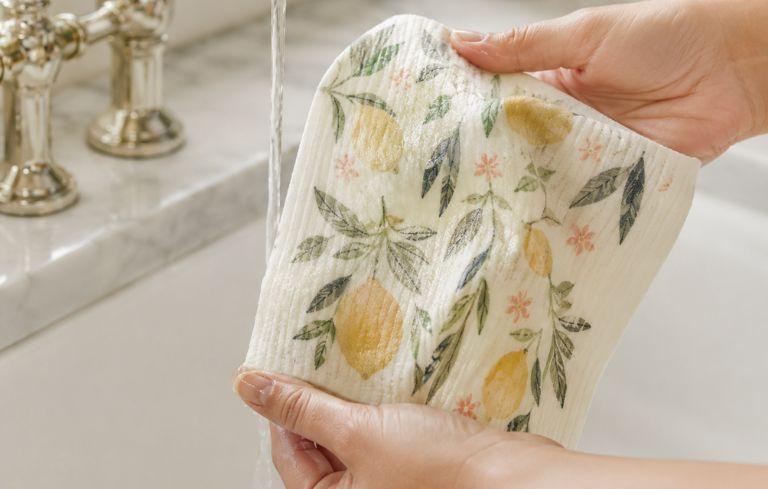
Scandinavian favorite dishcloth, Swedish dishcloth look stylish beside the sink. Create less plastic waste. And can absorb spills better than many disposable cleaning products.
Invented by Swedish engineer Curt Lindquist, these reusable cleaning cloths are made from 70% cellulose and 30% cotton. This blend gives them sponge-like absorbency while keeping the cloth light in weight.
Built to last:
Swedish dishcloths can handle around 200 washes. You can either wash in a washing machine or rinse through water. They also dry faster than regular sponges and hold less bacteria.
Cost-effective:
One cloth can replace around 15 to 18 rolls of paper towels. That makes them useful for low-waste kitchens.
Low plastic waste cleaning:
Swedish dish towels are seen as environmental friendly option. Brands use them as alternatives to rolls of paper towels.
These reusable cellulose sponge cloth products are biodegradable. They also help reduce plastic waste from disposable cleaning products.
Stylish Appeal:
Swedish dishcloths are thin and easy to print. Soft colors and Scandinavian-inspired prints give them extra shelf appeal in modern kitchens.
What Are Microfiber Cloths?
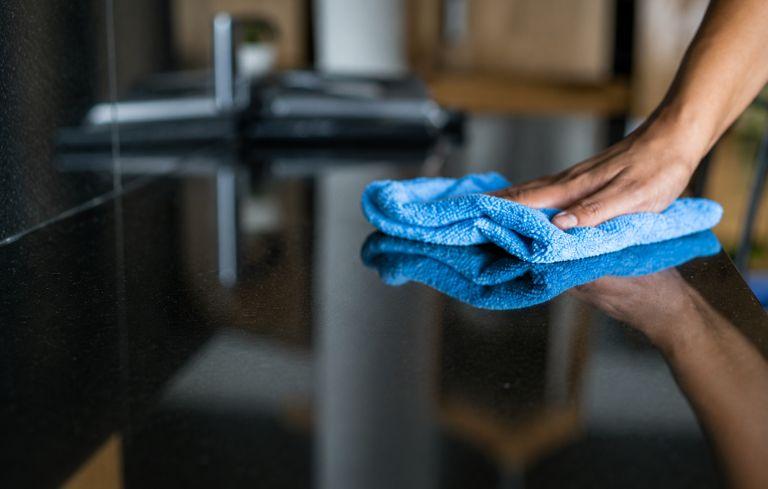
Microfiber cloth is basically multiple tiny polyester and polyamide fiberspacked tightly together. These fine fibers are usually suitable for any kind of surface, leaving the space spotless. They pick up dust, lint, spills, grease, better than any sponge cloth.
Today, you will probably find a microfiber kitchen cloth within arm’s reach in almost every home or cleaning business.
Works Almost Everywhere:
One microfiber cloth can clean virtually anything. Think glass, electronics, furniture, kitchen countertops, and even car interiors.
Durable and Long-Lasting:
Microfiber cloths tend to last longer than sponge cloths. Rinsing them in water or throwing them in the washing machine is usually enough to get rid or smell and bacteria buildup.
Different GSM for Different Jobs:
Manufacturers offer microfiber cloths in different GSM ranges. Some are softer for delicate surfaces like glass and electronics. Some are heavier GSM cloths. They work better for tougher cleaning and high absorbency tasks.
Light in weight but Powerful:
They are light in weight. Strong enough for drying dishes. Wiping streak-free stains. Easily replaces paper towels. Many buyers also use them as a replacement for paper towels.
Swedish Dishcloths vs Microfiber Cloths: Key Differences
These are some of the major differences between Swedish dishcloths and microfiber cloths. They will help you understand which product fits your business, customers, and cleaning needs better.
Table 1 – Swedish Dishcloths vs Microfiber Cloths: Key Product Differences
| Comparison Point | Swedish Dishcloths | Microfiber Cloths |
|---|---|---|
| Material | Cellulose and cotton (sponge-like feel) | Polyester and polyamide |
| Main Use | Kitchen cleaning, dishes, sink | Multi-purpose cleaning |
| Absorbency | Super absorbent for spills | Absorbs liquid, grease, lint |
| Best Surfaces | Countertops, kitchen counter, wet areas | Glass, appliances, furniture, electronics |
| Texture | Thin, sponge-like texture | Soft microfiber fabric with tiny fibers |
| Wet or Dry Use | Best wet or slightly damp | Works wet or dry |
| Durability | Durable for daily kitchen use | Better for repeated heavy cleaning |
| Eco Friendly Appeal | Biodegradable paper towel alternative with low plastic waste | Reusable after wash and long-lasting |
| Branding Style | Printed patterns, stylish packs | GSM, colors, custom textures |
| Best Buyer Fit | Eco-friendly kitchen brands | Household and cleaning brands |
Which One Absorbs Better?
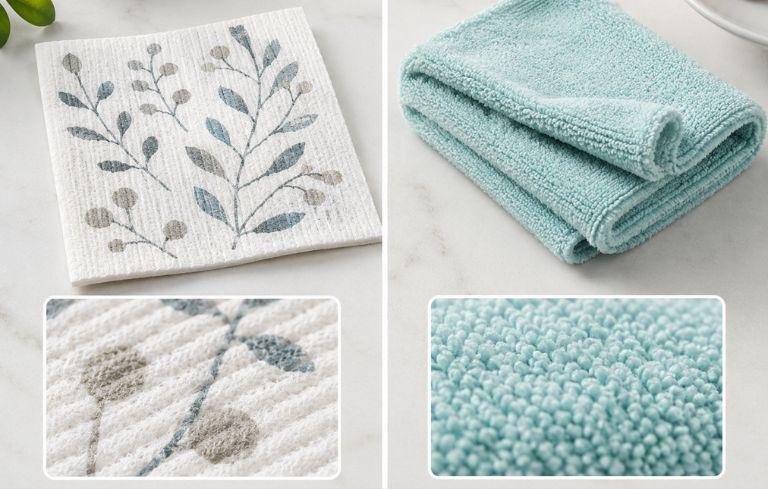
In the same amount of fluid, a Swedish dishcloth can pick up more water than a microfiber cloth.
The cellulose and cotton make them perform like sponges. They soak up spills quickly. And because it basically passes more as cloth than sponge, they dry quickly, too.
Meanwhile, the tiny split fibers in microfiber towels are better at trapping up grease, lint, and dirt from surfaces. They still pass as hygienic cleaning options that are normally preferred for delicate surfaces.
Practical Buyer Advice
Both products target different buyers.
Swedish dishcloths are great for spills. They absorb like a sponge but dry much quicker. Produces near to no plastic waste. That quicker drying time helps reduce bacteria buildup. And is overall an environment friendly option.
Microfiber cloths serve a much wider market. While they do contain plastic fibers and cannot fully be called environment friendly. They are still marketed as long-use cleaning products. Especially if you compare with sponge cloths. This usually means less frequent disposal.
Which One Cleans Better?
Th e best cloth for kitchen cleaning is usually subjective. Swedish dishcloths are great for wet kitchen messes. Spills. Sink areas. Wiping countertops. Drying dishes.
Microfiber cloths built their name around versatility. They clean virtually anything. The fibers pick up grease, and lint much more effectively than many sponge cloths or cotton cloths.
Which One Is More Eco-Friendly?
Swedish dishcloths are made from cellulose and cotton. Cellulose comes from wood pulp. The cloth is biodegradable and fits naturally into low-waste and eco-friendly markets.
Microfiber cloths take a different route, though. They are usually made from plastic fibers, so although durable, are not biodegradable in the same way.
Which One Is Better for Retail Packaging?
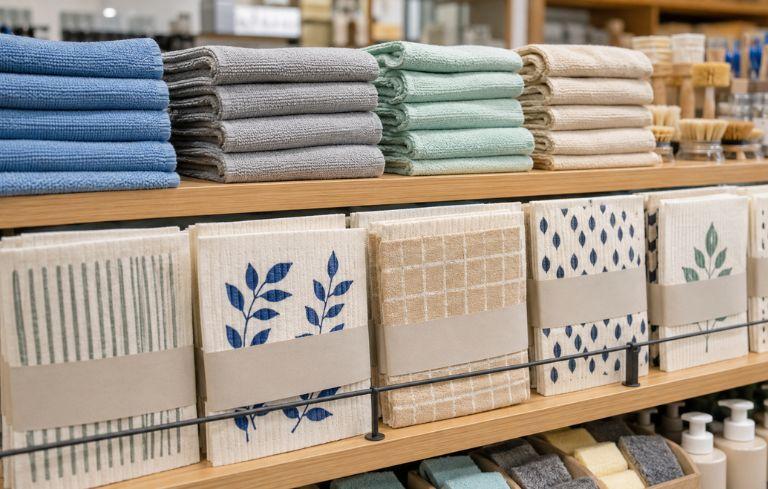
In many ways, Swedish dishcloths are no longer sold like basic cleaning products. A lot of brands sell them with stylish printed artwork, soft colors, seasonal patterns, and eco friendly packaging.
They tend to fit into kitchen stores, gift shops, lifestyle shelves, and low-waste product sections.
You will usually see them sold as:
- Printed 3-pack or 5-pack sets
- Kraft paper sleeves
- Seasonal collections
- Hanging retail cards
Microfiber cloths or towels take a different route. Their packaging usually focuses more on cleaning performance than design.
Common microfiber cloth packaging includes:
- Bulk microfiber cloth packs
- Color-coded cleaning sets
- Glass cleaning kits
- Car detailing towel packs
- Commercial cleaning bundles
Which One Is Better for Custom Branding?
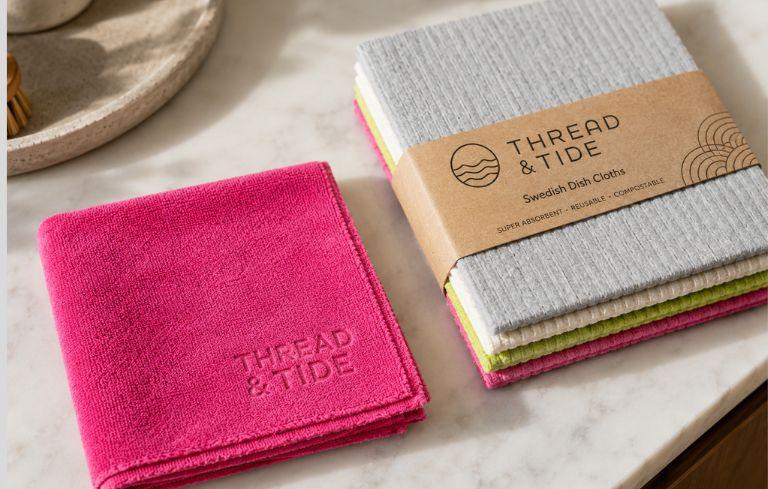
Both products support custom branding, but they do it differently. Which is better is purely subjective.
Swedish dishcloths work better for visual branding. Brands can use printed patterns, seasonal artwork, and soft colors. Scandinavian-style packaging also helps them stand out on shelves.
Microfiber cloths are better for product branding. Brands can customize GSM, colors, texture, and stitching. They can also add logo printing, packaging, and custom microfiber cloths for different cleaning tasks.
Common Mistakes Buyers Make When Choosing
Before bulk buying between sponge cloth vs microfiber cloth evaluate carefully. Take precautions beforehand to avoid monetary loss later.
Mistake 1: Choosing Only The Cost Effective Option
Poor quality often leads to complaints and fewer repeat orders. The packaging may also feel better than the product itself. Buyers who only focus on the cheaper option, tend to rethink their decision.
Mistake 2: Using One Product for Every Cleaning Scenario
These are not one-size-fits-all products. Swedish dishcloths work better for kitchen spills and replacing paper towels. Microfiber cloths handle grease, glass, electronics, and multi-surface cleaning better.
Mistake 3: Ignoring Packaging Strategy
Buyers should never underestimate packaging. On the surface, that is often what sells first.
Swedish dishcloths usually sell through printed designs and low plastic packaging. Microfiber cloths sell more through performance claims like streak-free cleaning and strong absorbency.
Mistake 4: Not Testing Samples
A lot of buyers trust product photos too much. Then the cloth arrives stiff, weak, or poor at absorbing spills. Always test samples first before bulk buying.
Which Product Should B2B Buyers Choose?
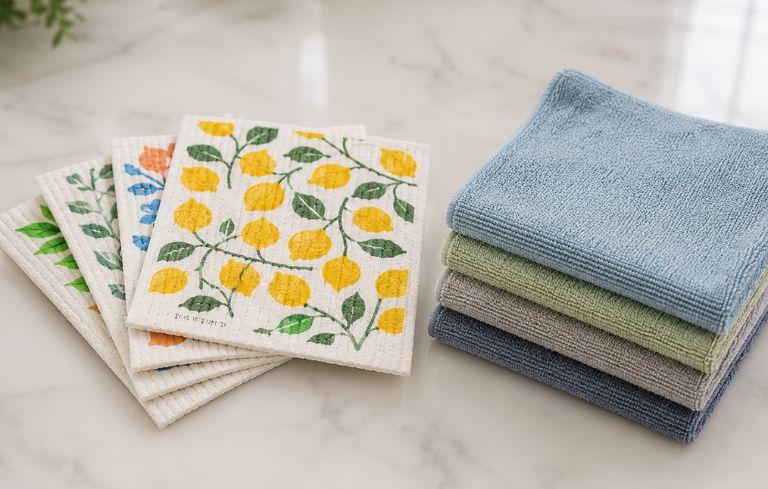
Ultimately, the product you choose depends on the kind of business model you are building. One product sells more on branding and lifestyle appeal. The other through scale, repeat demand, and cleaning performance.
Choose Swedish Dishcloths if Your Business Focuses on Branding
Swedish dishcloths work well for eco friendly and kitchen lifestyle brands. They also fit businesses focused on aesthetics. Buyers are not just purchasing a cleaning cloth here. They are buying the low-plastic waste kitchen image that comes with it.
Businesses choose Swedish dishcloths because they are easy to market especially on social media.
They replace rolls of paper towels. The printed patterns also help. They look stylish on shelves and work well for social media. Buyers can also toss them in the washing machine and reuse them.
They will likely work great for brands that are:
- Boutique kitchen brands
- Gift-style product stores
- Pinterest and Etsy-style businesses
- Scandinavian-inspired home brands
- Eco friendly product lines
Choose Microfiber Cloths if Your Business Focuses on Scale
Microfiber cleaning cloths fit businesses looking for wider demand. This means repeat bulk orders, and multiple cleaning categories.
One cloth can serve many cleaning categories. Different GSM towels can also target different buyers and price points. Buyers can reuse them for months before disposal, which makes them cost effective.
Plus bulk microfiber towels are easier to sell through wholesale and commercial contracts.
They are commonly used in:
- Household cleaning
- Car detailing
- Hotel and janitorial supply
- Commercial cleaning markets
- Microfiber cloth wholesale businesses
- Supermarkets and bulk retail
Recommended Product Mix for Wholesale Buyers
For wholesale buyers, the better move is not to depend on one cloth only. Different customers clean different spaces, so your product line should cover more than one need.
Table 2 – Recommended Product Mix for Wholesale Cleaning Cloth Buyers
| Product Type | Best Use | Best Sales Channel | Why It Belongs in the Line |
|---|---|---|---|
| Swedish Dishcloths (Or Sponge Cloths) | Dishes, spills, kitchen counters | Kitchen retail, eco stores, Amazon | Strong paper towel alternative with eco friendly appeal |
| Microfiber Cleaning Cloths | Daily home cleaning | Wholesale, supermarkets, household cleaning | Core item with broad demand and repeat use |
| Microfiber Glass Cloths | Mirrors, windows, screens | Retail, professional cleaning | Good for streak-free and lint-free cleaning |
| Waffle Microfiber Cloths | Kitchen, bar, restaurant wiping | Food service, hospitality | Absorbent texture for wet surfaces and drying |
| Microfiber Car Towels | Washing, drying, detailing | Auto care, car wash suppliers | Soft fabric for paint, glass, and interiors |
| Microfiber Mop Pads | Floor cleaning | Janitorial, hotels, commercial cleaning | Better fit for bulk buyers and repeat orders |
For most wholesale buyers, microfiber cleaning cloths should be the base product because they cover the most use cases. Swedish dishcloth wholesale can provide you with a niche add-on. They help you reach kitchen-focused brands and customers looking to replace paper towels.
A good product mix also gives you more ways to sell. Best way to figure out a mix is knowing the platform, buyer type, and cleaning use case you want to target first.
How Manywell Supports Custom Cleaning Cloth Projects
Good cleaning brands know their buyers are not all looking for the same thing. Some want the eco friendly dishcloths such as Swedish dishcloths. Others want stronger products for daily kitchen cleaning, spills, towels, and repeat use.
So if you are building a kitchen cleaning line, your product mix matters. You need items that look good, clean well, and make sense for your market.
That is where Manywell can help. We offer microfiber cleaning cloths and products like our Bamboo Fiber Kitchen Sponge. It has strong absorbency for spills, works as a reusable paper towel alternative, and lasts longer than many regular sponge cloths.
We also support OEM and ODM needs. You can choose from our ready-to-sell cleaning products. Or you can opt for a more customized microfiber cloth option with logo printing, retail packaging, and mixed product sets.
Contact us today to build high-quality cleaning products around your brand.