
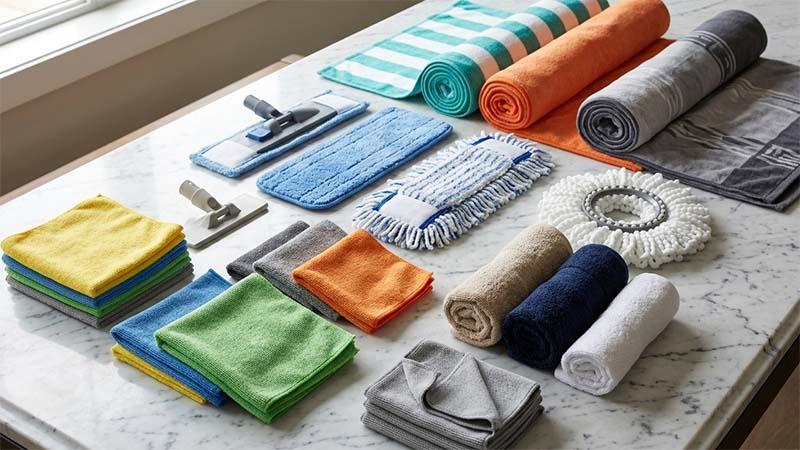
Microfiber products are known for their softness, durability, and superior cleaning performance. Several home and professional cleaners rely on the versatility of microfiber cloths. Understanding how microfibers are made will help you choose the right cleaning cloths for your business.
In this article, we break down the complete microfiber manufacturing process, from raw material production to fabric construction to dyeing and packaging.
What Are Microfiber Cleaning Products Made Of?
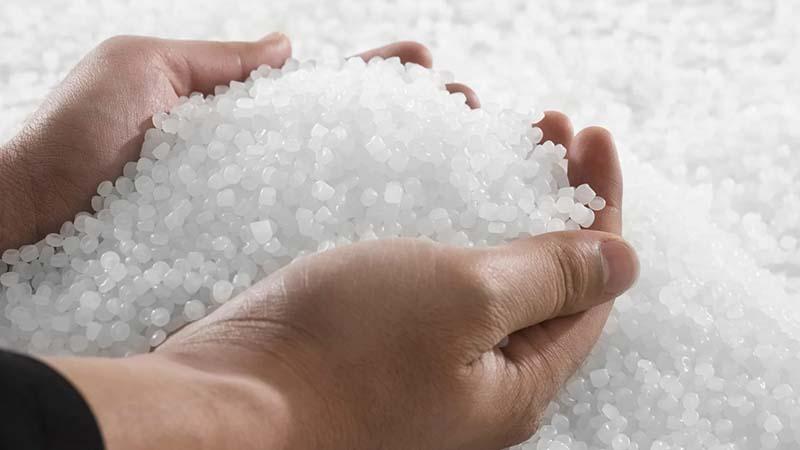
All microfiber products are made from a combination of tiny fibers called polymers. Polymers are long-chain synthetic materials made in a lab. The two most commonly used polymers are polyester and polyamide (nylon).
Polyester makes up the durable structure of the microfiber cloth, and polyamide brings the softness and absorbency. Microfiber blends are listed as a ratio on the packaging.
- 70/30 Blend Microfiber = 70% Polyester & 30% Polyamide
- 80/20 Blend Microfiber = 80% Polyester & 20% Polyamide
An 80/20 blend microfiber is used for making all-purpose cleaning cloths and body towels. In comparison, a 70/30 blend is recommended for luxury microfiber towels and scratch-free cleaning cloths.
The difference between 70/30 and 80/20 microfiber blend ratios can be best described through applications.
Table 1 – Comparing microfiber blend impact through popular applications
| 70/30 Microfiber | 80/20 Microfiber |
|---|---|
| Eye Wear | Glass Window Cleaning |
| Camera Lens | Bath Towel |
| Phone & TV Screens | Beach Towel |
| Facial Care | Kitchen Cleaning |
| Luxury Bath Towels | Floor Cleaning Mops |
| Car Drying | Disposable Cloths |
| Polishing Cloth |
Microfiber works by trapping dirt, dust, and water in the fabric weave. A higher polyamide ratio will increase absorption and improve cleaning performance.
Step 1: Raw Materials – Polyester and Polyamide
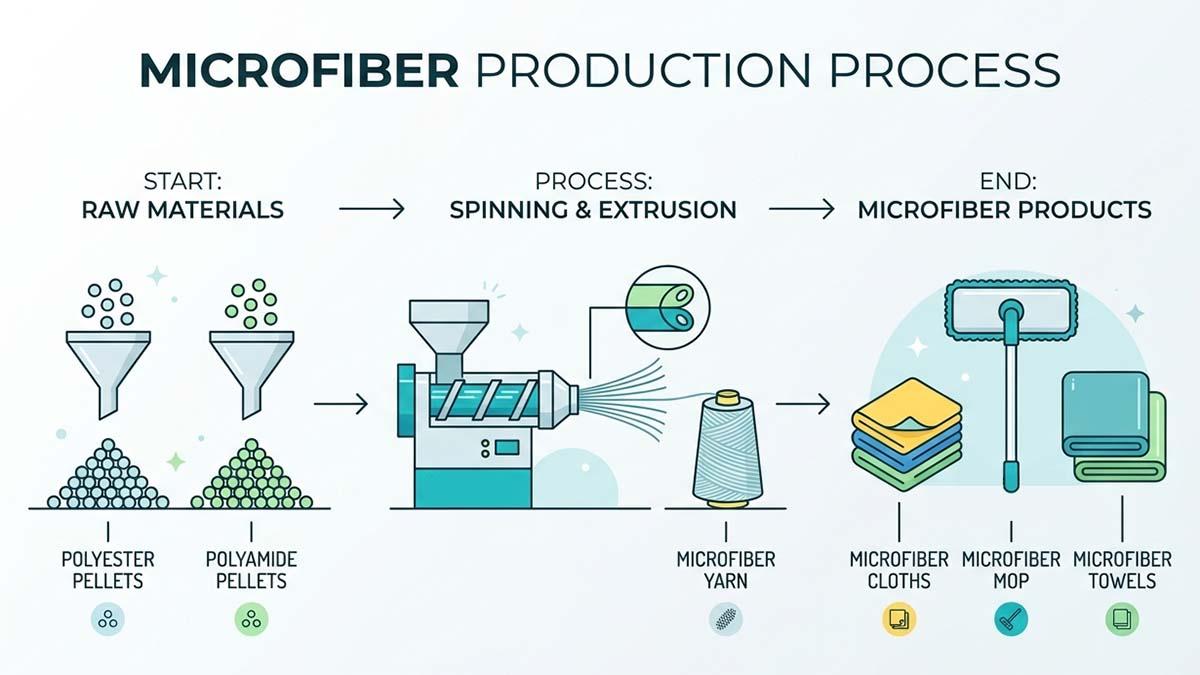
Raw polyester and polyamide are sold as pellets (small solid nuggets of plastic). Manufacturers can either source virgin materials or recycled materials.
- Virgin Materials: Made in a factory from petroleum by-products.
- Recycled Materials: Made from old plastic bottles and other polyester products.
Most microfiber manufacturers use a blend of virgin and recycled microfibers. GRS and RCS product certifications ensure the use of recycled materials.
GRS (Global Recycled Standard): Microfiber production contains >20% recycled materials.
RCS (Recycled Claim Standard): Microfiber production contains >5% recycled materials.
Step 2: Raw Material to Fibers
First, raw polyester and polyamide pellets are mixed in the desired blend ratio. Next, this pellet mixture is melted and pushed through a spinneret. This process converts the solid raw material into long, noodle-like strings.
At this point, the microfiber strings are too weak. So they are layered, heated, and stretched until you get one-denier thin microfibers. To put things into comparison, a human hair has a thickness of 20 denier (or a diameter of ~200 microns).
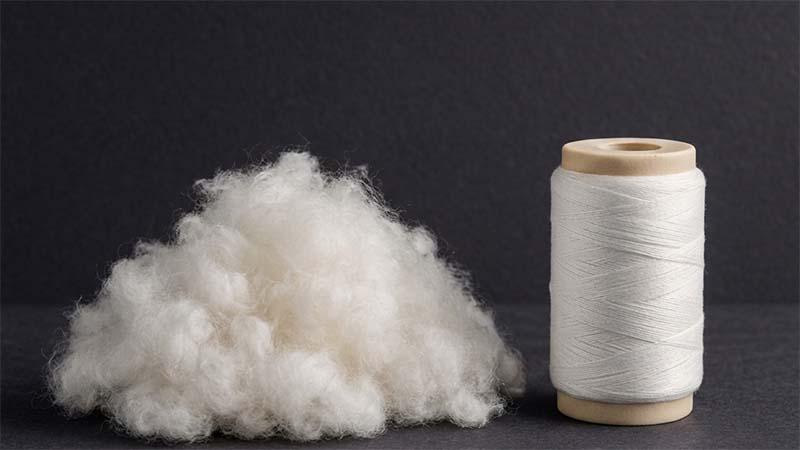
Lastly, these fibers are chopped into a fine fluff. The chopped fibers make woven and non-woven fabrics. By mixing the chopped microfiber with other fabrics, you get blended fabrics. High-performance cotton cloths are made by mixing cotton and polyester fluff.
Step 3: Spinning (Fiber to Yarn)
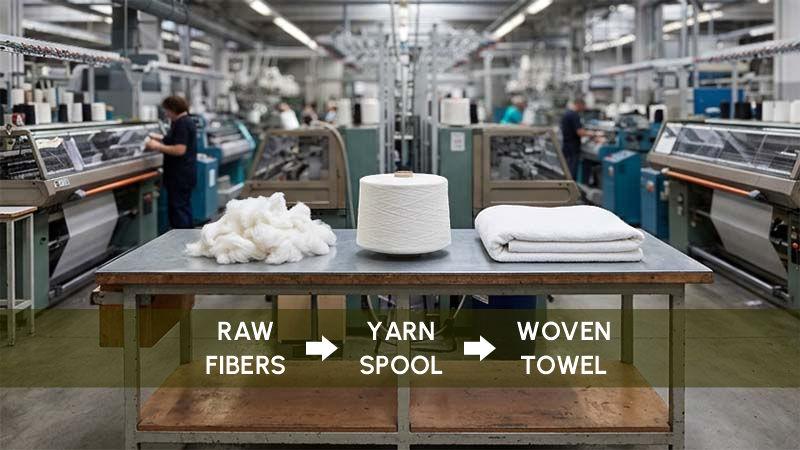
Textile spinning is the process of converting the individual filaments (tiny fibers) into a durable, long thread. The unprocessed fibers are pulled in a single direction. These parallel fibers are then twisted (spun) into a continuous microfiber yarn.
The yarn is then wound around a cylinder, making a spool. This process also removes knots and impurities from the microfibers.
Optional Early Yarn Dyeing
You can dye the microfiber yarn now. But most manufacturers prefer to dye the final microfiber fabric after weaving.
Step 4: Weave Knitting (Yarn to Fabric)
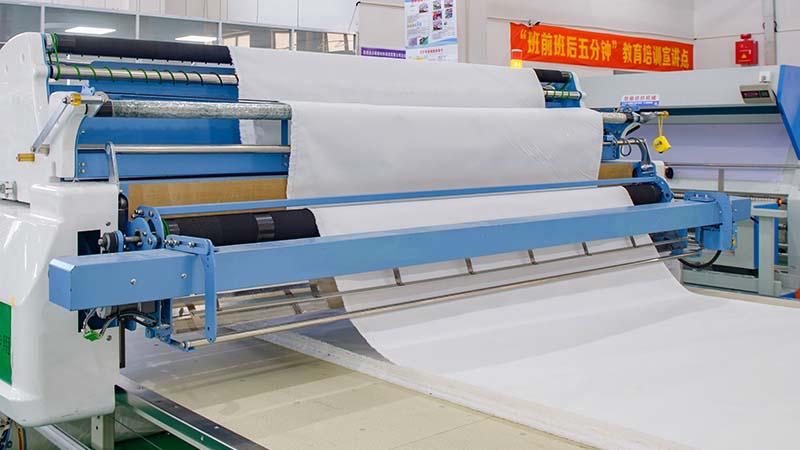
Weaving is the process of converting yarn into a microfiber fabric. This weaving process also determines the GSM weight of microfiber cloths.
1. Beam Warping
First, the smaller spools of microfiber yarn are wound around a larger spool, called a warp beam. This beam will keep the threads straight and parallel to the weaving machine.
2. Knitting
In this process, several yarns of microfiber are fed to a weaving machine. The machine uses needles to punch through the different layers of yarn to create interlocking loops.
The two most common microfiber weaving processes are warp and weft knitting.
- Warp Knitting: Durable microfiber cleaning cloths with high absorbency and low elasticity.
- Weft Knitting: Flexible microfiber cleaning cloths with good elasticity but low absorbency.
Manufactured microfiber generally uses warp knitting for its durability.
3. Weave Texture
The knitting machines can also add texture to microfiber cleaning cloths. Here are four of the most popular weave options.
Table 2 – Microfiber weave options and their impact
| Towel Weave | Key Benefit | Key Applications |
|---|---|---|
| Terry Weave | High Absorbency | Drying Applications |
| Waffle Weave | Absorbency & Durability | Heavy Cleaning Tasks |
| Coral Fleece Weave | Traps Dirt & Stays Soft | Facial Care & Dry Cleaning |
| Suede or Flat Weave | Smooth Texture | Light Cleaning for Delicate Surfaces |
After weaving, the microfiber cloth is ready and wound on a large industrial roll.
Step 5: Dyeing Fabrics
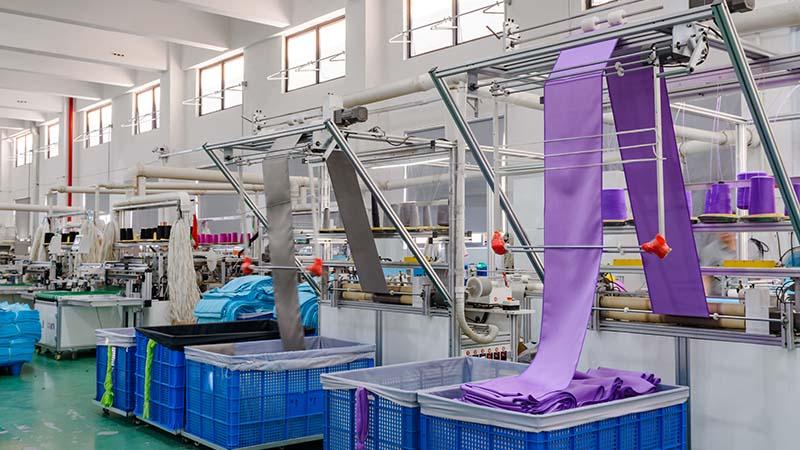
Now the microfiber cloth is ready for washing, dyeing, and cleaning.
- First, the microfiber cloths are passed through a series of industrial rollers. These rollers stretch the fabric and remove wrinkles before dyeing.
- Next, the fabric is treated with a bleach solution that removes bacteria, oils, and other impurities from the fabric.
- Later, the fabric passes through a giant cylinder that contains the dye bath. The hot dyeing agents evenly penetrate the microfiber cloth.
- After dyeing, the microfiber cloth is thoroughly washed. This removes the excess dye and harmful chemicals from the fabric.
- Lastly, the fabric is dried and re-wound on an industrial spool. Afterwards, the fabric can be processed into the right size.
B2B buyers can request fabric samples before placing large orders. A poorly dyed microfiber cloth will have inconsistent colors, poor absorbency, and uneven texture.
Step 6: Sizing & Cutting
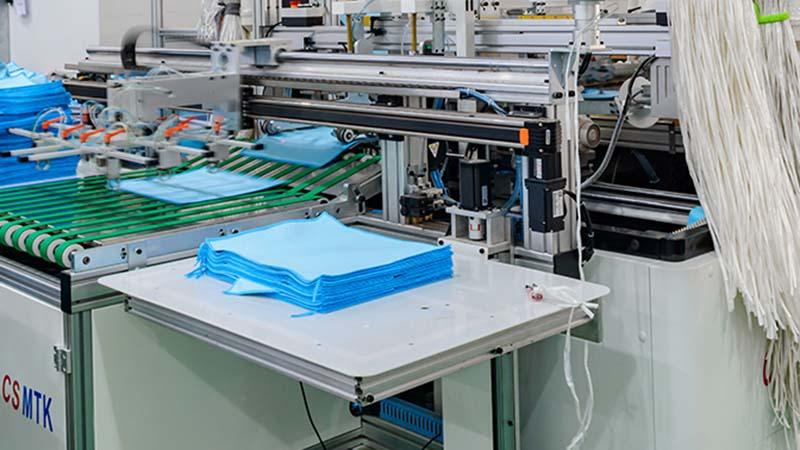
At this point, the large rolls of microfiber cloth can be used to prepare different microfiber cleaning products. Manufacturers cut the large unprocessed roll into smaller pieces for easier management.
- Microfiber Mops: Requires wide rectangular pieces.
- Microfiber Towels: Small to medium-sized pieces.
- Microfiber Cleaning Cloths: Smaller pieces with a lower GSM.
Customers require microfiber towels in different sizes for different applications. In comparison, microfiber mops are sold only in a few sizes. Hence, the processing and OEM costs of microfiber towels are higher than those of microfiber mops.
Step 7: Sewing & Edge Stitching
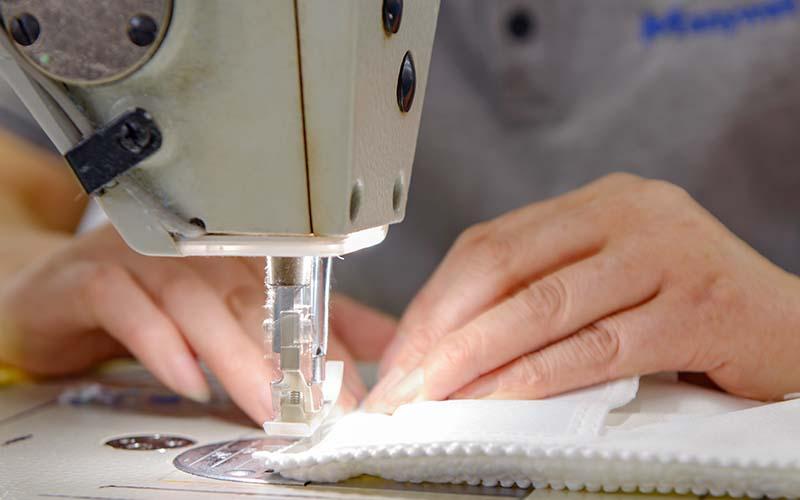
The microfiber cleaning cloths can now be sewn into the right shape and format. Most of the microfiber stitching is still done by hand to ensure a high-quality finish.
Sewing in Microfiber Mops
Microfiber mops are available in Velcro or pocket mop designs.
- Velcro mop pads are sewn flat to ensure compatibility with hook and loop mop frames. surface.
- Pocket mop pads have an extra polyester pocket sewn in the back.
Edge Stitching for Microfiber Cleaning Cloths & Towels
Towels and cleaning cloths share similar edge stitching techniques. The goal here is to seal the edges of the microfiber cloth after cutting. Failure to do so will result in fraying and lint shedding.
| Edge Sealing | Key Benefit | Key Applications |
|---|---|---|
| Ultrasonic Cutting | Soft Edges | Cleaning Delicate Surfaces |
| Overlocking Stitch | Durable Edges | General Heavy & Light Cleaning |
| Hemmed Stitch | Ultra Soft Edges | Scratch-Free Drying |
| Piped Edge | Soft & Durable Edges | Scratch-Free Regular Use |
The two most popular microfiber designs use edgless and overlocked finishes.
Step 8: Customization & Logo Addition
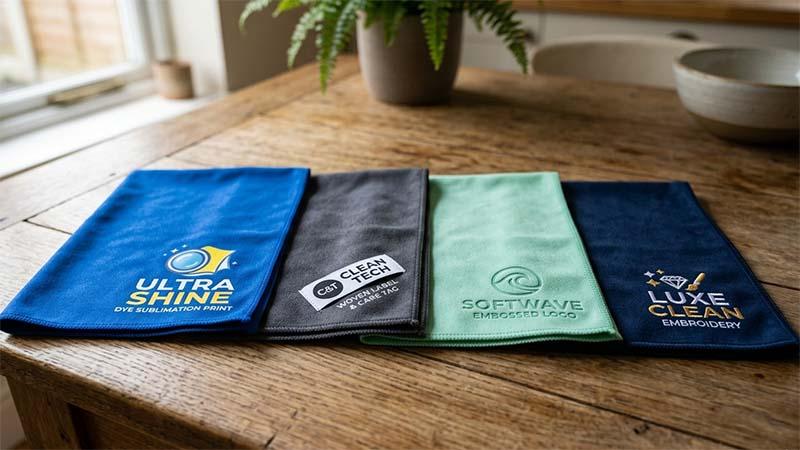
The microfiber cloth customization process can take on several shapes.
- Printing: Dye sublimation is the most popular customization process for microfiber cleaning cloths. But businesses can also request screen printing and heat transfer designs.
- Embossing: This process uses heat and pressure to press a logo or other simple design into a microfiber cleaning product.
- Embroidery: The process of sewing a logo or design into fabric using thread.
- Labels & Tags: The simplest way to add a logo to a microfiber cleaning cloth is to stitch a separate tag on the edge.
Step 9: Quality Control
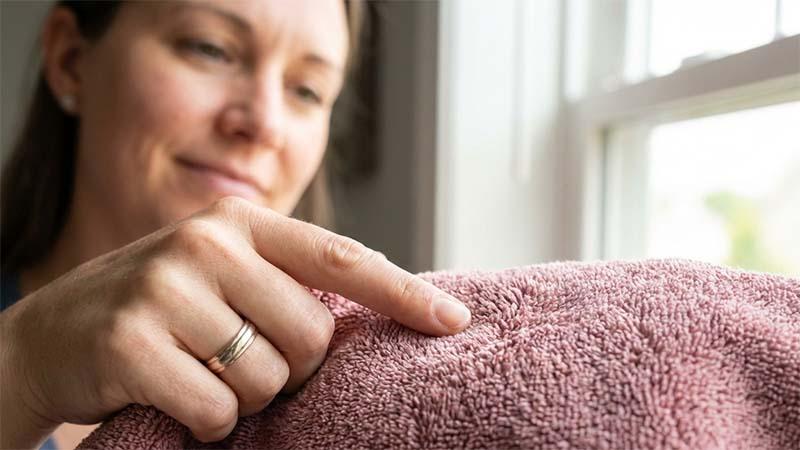
Once the Microfiber products are ready, they go through an extensive inspection process.
Factories often use machines equipped with cameras to check color consistency, surface finish, linting, and fabric defects. Meanwhile, human inspectors look for stitching quality and loose threads.
The entire quality control process works alongside microfiber production. From spinning to packaging, every step has an in-line inspection process.
Step 10: Packaging & Export Preparation
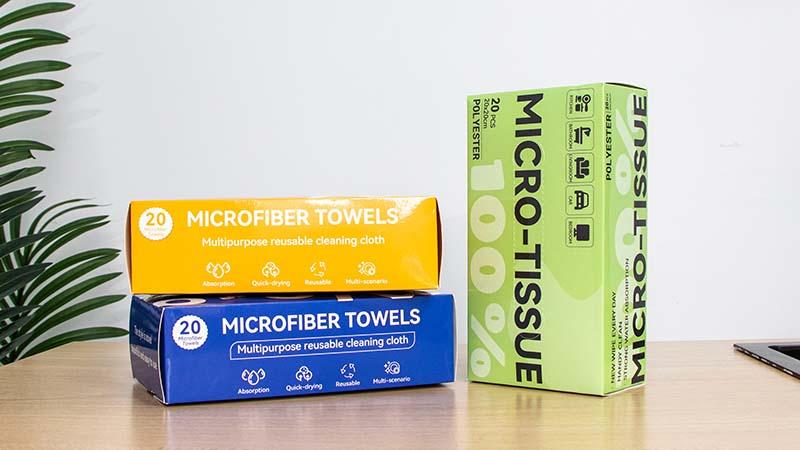
Most microfiber cloth manufacturers offer bulk packaging for B2B consumers. The products are packed in a set of one thousand units. This process uses a large plastic sleeve for water protection and an outer cardboard box.
Some suppliers also offer individual packaging options. The manufacturer takes responsibility for custom cardboard, paper, or plastic packaging for the end user.
Conclusion
Microfiber towels, cloths, mops, and cleaning rags are all made from the same basic materials. The main differences between these products arise from processing techniques. The weight, size, texture, and weave techniques have the biggest impact on microfiber performance. Use the information from this guide to choose the perfect microfiber prodcut for your business.
Get High Performance Microfiber Cloths, Towels & Mops from Manywell!
Manywell is an expert in microfiber manufacturing. We specialize in all types of microfiber towels, cleaning cloths, scrubbing mitts, and flat mops. You can fully personalize these products according to your brand needs.
The best part is that you can get this high level of customization at flexible MOQs. All our products pass through a detailed quality assurance process, so you get only the best products. Contact us Today for a FREE Quote!