
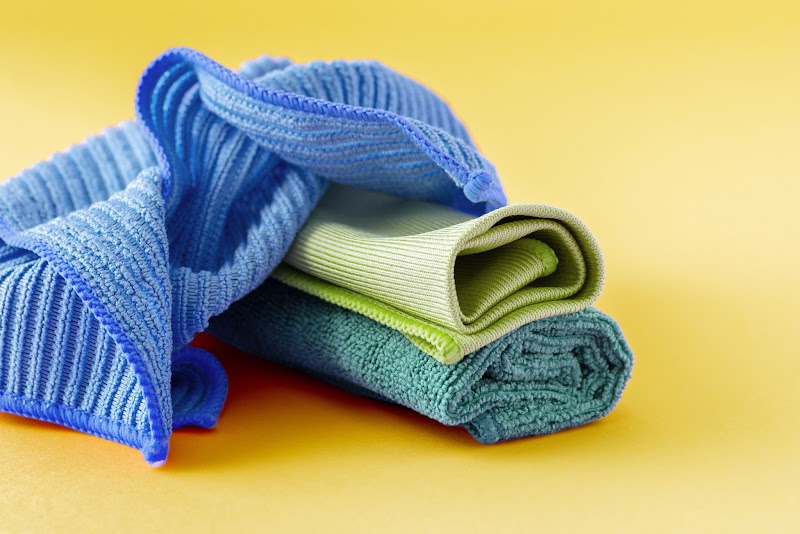
Microfiber products are superior to ordinary clothes based on their performance. Unlike regular fabrics, they are made of ultra-fine, split strands. This creates a much larger surface area for trapping dust and dirt.
This results in more effective cleaning with less effort. In many cases, even a wet cloth can clean surfaces efficiently. In this article, we will explore what makes it so special and whether it is worth buying or not.
What is Microfiber and How is it Made?
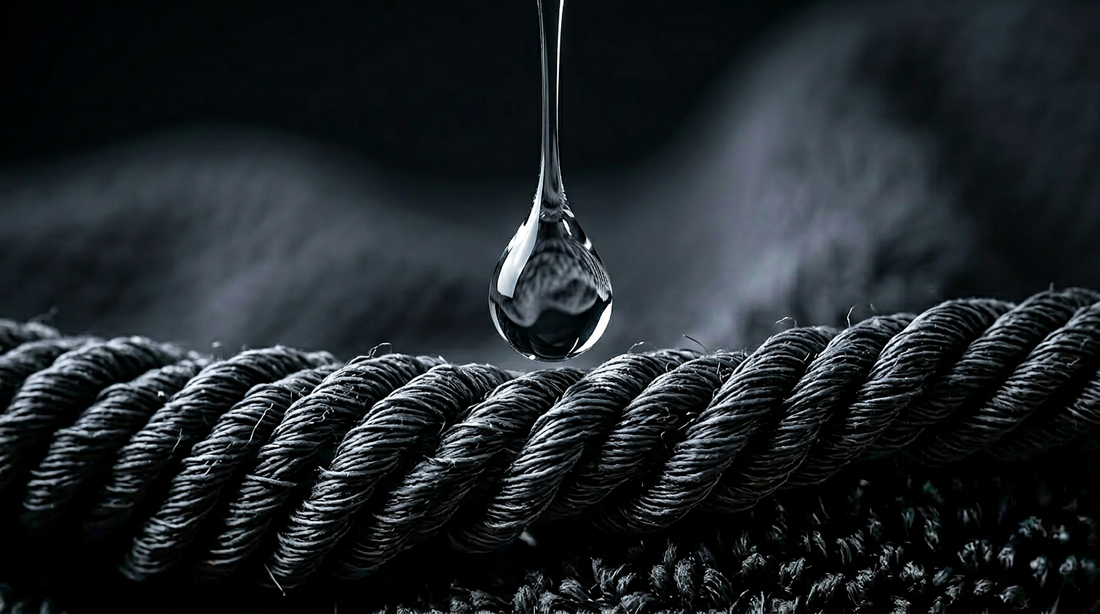
Any fiber that is less than 1 denier is known as microfiber. Denier is a unit used to measure how fine and thin a fiber is based on its weight. In easy words, 100 microfibers combined together equals to the diameter of one human hair. To explain it further, one square inch of any microfiber cloth contains around 200,000 individual fiber strands.
How are the filaments in microfiber cleaning cloths engineered to become ultra-fine?
- The extruding process starts by blending synthetic materials, polyester, and nylon. They are heated and forced through a spinneret to create ultra-fine fibers.
- Both materials are placed side-by-side during the process of extrusion. This creates tiny wedge-shaped sections of a microfiber filament.
- The finished fabric is then treated with high-pressure water jets. The force splits the fibers into finer strands, creating the ultra-soft microfiber structure.
The tiny fibers with split edges also have more surface area compared to normal cloth fibers.
The Science Behind How Microfiber Cloth Actually Works
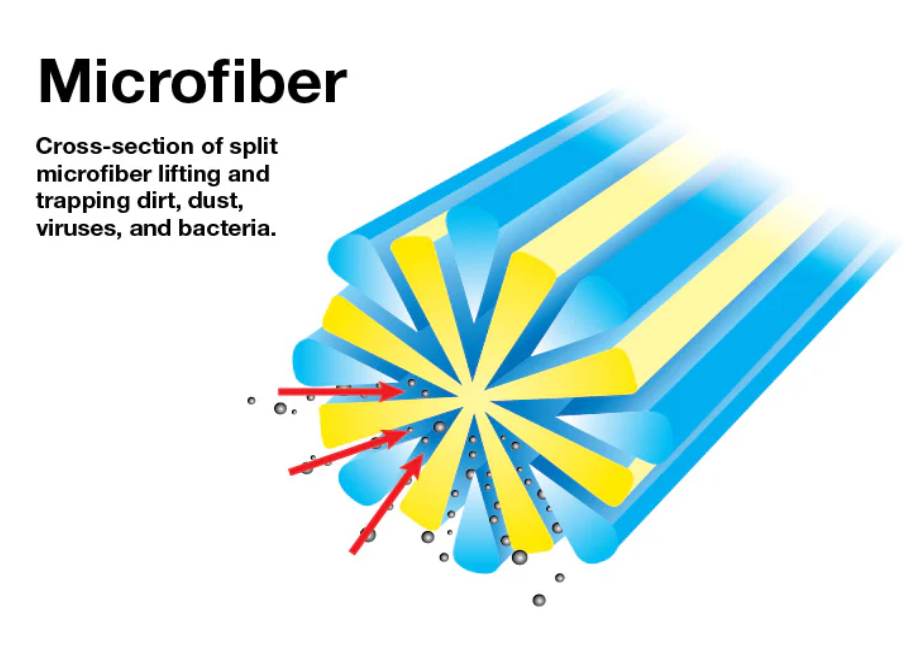
The core mechanism of microfiber cleaning products relies on the following:
Mechanical Trapping of Dirt
The splitting process creates millions of microscopic hooks within the fibers. These structures physically hold dirt and larger particles such as pollen grains. They have a high surface area. As a result, the split strands can trap even the tiniest dirt particles easily.
Capillary Absorption
When the individual strands are split, they take an asterisk or star-shaped form. In cross-section, tiny gaps can be seen between the split fiber edges. These tiny gaps help the microfiber hold liquid up to 7 times its own weight. This allows the microfiber fabric to work like a sponge. It can instantly absorb any liquid and clean the spills.
Static Electricity Effect
When two molecules are closer than 0.6nm, the van der Waals force of attraction activates naturally. The microfiber strands become positively charged to attract dust. It enables effective cleaning without scratching the surface. As a result, microfiber cloths can safely be used on a wide range of materials, including glass and wood.
Why is Microfiber Cloth Considered Better than Cotton?
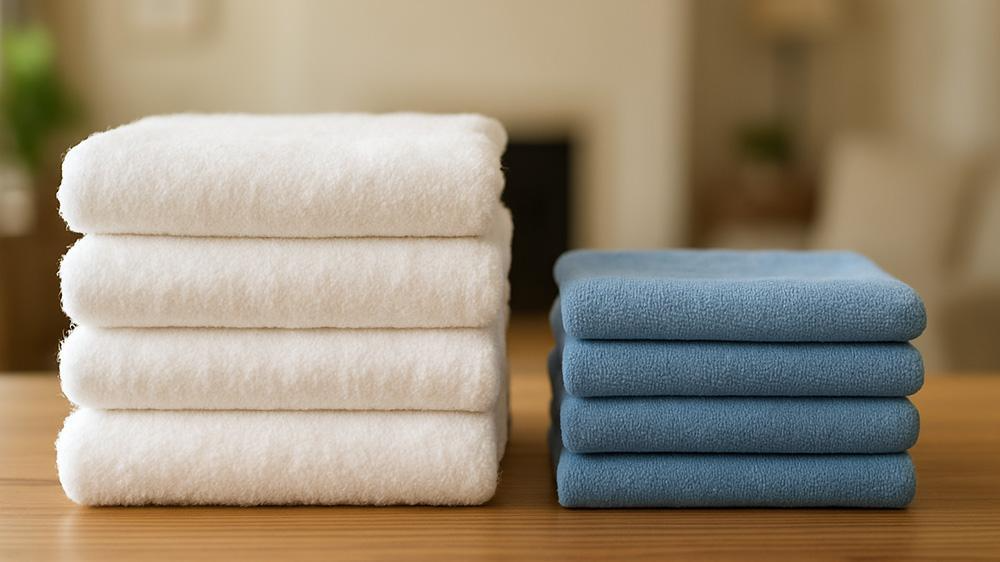
Cotton cloths have been used for cleaning for centuries. They are soft, offer good liquid absorption, and are affordable. Then, why is everyone switching to microfiber products? Here is the detailed comparison:
1.Surface Area and Thickness
Microfiber strands are extremely fine, which gives them a much larger surface area than cotton fibers. Because of this, even a small 8-by-8 inch microfiber cloth can clean as effectively as a much larger cotton cloth. This larger surface area helps microfiber pick up more dirt and dust, despite its small size.
2.Absorption
Both cotton and microfiber cleaning cloths offer high absorbency. Cotton can absorb up to 27 times its weight in liquid. Microfiber typically absorbs around 7 times its weight. However, microfiber cleaning cloths dry quickly and have higher efficiency. That is why they are considered superior to cotton.
3.Cleaning Performance
Microfiber excels in removing grime from different surfaces. It can get rid of dirt better than other clothes. Microfiber is not only effective in removing dirt but can also trap bacteria and viruses.
According to a study, a microfiber cleaning cloth removed 98 percent of bacteria and 93 percent of viruses without any disinfectants. On the other hand, cotton could only get rid of 30 percent of bacteria and 23 of percent viruses from a contaminated surface. Moreover, unlike other fabrics, it is a very soft cloth that does not scratch any surface.
4.Durability
Microfiber cleaning products are more durable than cotton cloths. The former can work effectively even after 150-200 washes. When handled with care, the synthetic fibers remain soft even after multiple uses.
In contrast, cotton cloths get rough over time. It sheds lint, causing the fabric to become thin and tear after several uses.
5.Cost
Cotton cleaning cloths are generally more affordable than microfiber at the time of purchase. However, this advantage is mainly short-term.
Over time, cotton cloths need to be replaced more frequently, whereas a single microfiber cloth can last much longer while maintaining its performance. As a result, microfiber proves to be the more cost-effective option in the long run.
Can a Microfiber Cloth Work Without Cleaning Solutions?

Do microfiber cleaning cloths work well with just water? Does it need any detergent or chemical solution to clean better? Microfiber can clean effectively with just water. Traditional cleaners rely on chemicals or detergents. Microfiber lifts dirt from surfaces and holds it inside the cloth using natural forces, instead of chemicals..
A microfiber towel with a small amount of water is enough to wipe grease, oils, and dirt from any surface. This not only makes cleaning easy but also helps reduce overall costs for users.
Is Microfiber Cloth Eco-Friendly? The Truth About Microfiber Pollution
Microfiber comes with several benefits over any other standard cloth. Is it also eco-friendly? Microfiber works with high efficiency in cleaning tasks. However, they cause microfiber shedding, which affects environmental health.
When washed, they release small synthetic fibers that can easily travel into the drainage system. Waste water treatment facilities can remove most of these microplastics. A significant number can still pass through. The waste reaches the rivers and oceans, contributing to plastic pollution.
Is there any way to reduce this? Yes, there are several washing mitigation strategies you can try:
- Use special laundry bags to catch microplastics.
- Ensure that you are using external washing machine filters to trap microfibers.
Where to Use Microfiber Cleaning Cloth?
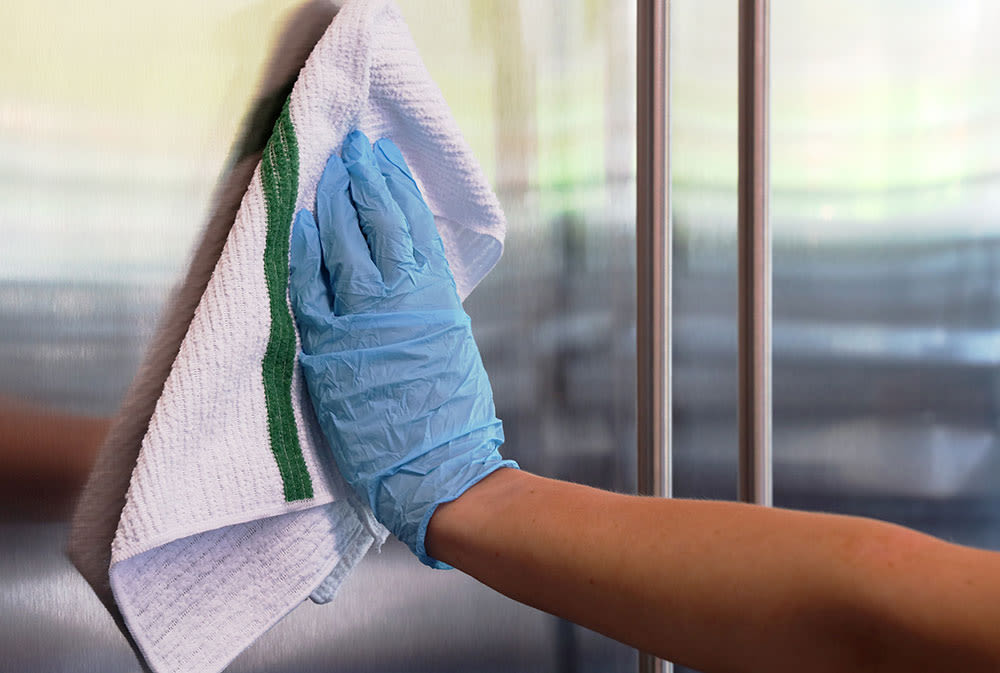
Microfiber cleaning cloths are multi-purpose. You can use them for:
- In kitchen cleaning, they are ideal for wiping countertops, soaking up spills, and removing grease easily.
- In car detailing, soft microfiber towels are used for polishing, drying, and waxing. They help reduce swirl marks and safely lift dust from delicate car paint.
- In hotel housekeeping, these clothes are used for dusting, cleaning mirrors, and wiping spills. They can remove most bacteria and viruses without needing a cleaning spray. They also dry quickly, which makes them suitable for busy environments.
- In industrial cleaning, heavy-duty microfiber cloths are used for tougher cleaning tasks because of their strong fiber structure.
Microfiber Purchasing Guide: Identifying High-Quality Microfiber Cloth
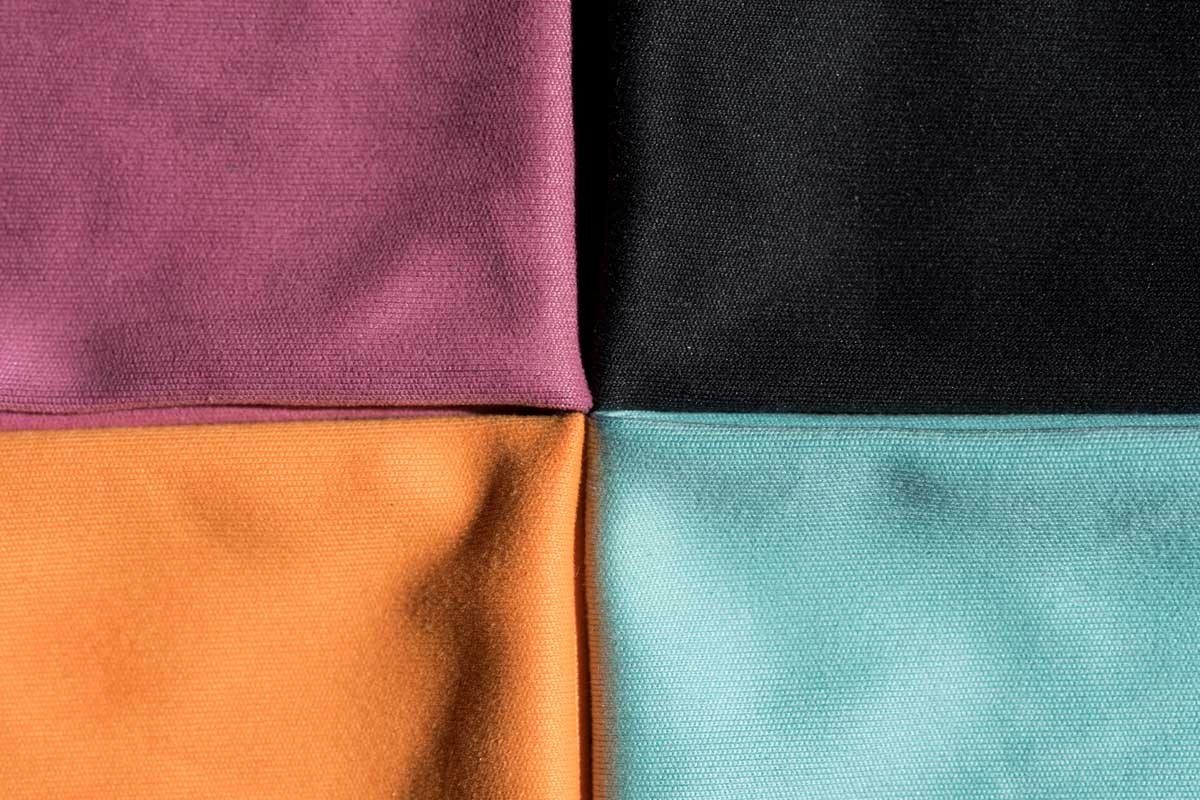
Before purchasing microfiber cleaning cloths, check these:
- Blend Ratio: Both 80/20 and 70/30 blend ratios are considered high-quality. You can use an 80/20 blend for kitchen and house cleaning. Go for 70/30 blend for delicate surfaces
- Edge-stitching: High-quality microfibers usually have hemmed, piped or banded edges. They prevent scratches.
- GSM: The Higher the GSM, the better the quality. Low GSM microfiber cloths are useful for light tasks like dusting. For heavy-duty cleaning, buy a high GSM product.
- Weave Type: Terry weave and waffle weave microfiber towels offers better absorption. Suede or flat weave microfiber cleaning cloths are best to avoid scratches.
Choosing a Trusted Supplier
Once you can identify the microfiber quality, the next step is to choose a trusted brand. You can ask for the following to make the final decision:
- Denier value: The microfiber cleaning cloth must have a denier value less than 1.0. The lower, the better.
- Split Microfiber: Check on the packaging whether the manufacturer provides split microfiber or not. It is because any microfiber product without edges is just like other average cloths.
- Fiber count per square inch: Choose a brand that offers microfiber cloths with 200,000 fibers per square inch.
Conclusion
Microfiber cleaning cloths work better than any other fabric. It is because they comparatively have smaller fibers with large surface area. All you need is a good-quality microfiber cleaning cloth, along with proper care to maintain its performance.
For example, avoid using hot water, harsh detergents, soap, or bleach when washing. Instead, wash gently and allow the cloth to air dry completely before storing it.
Buy High-quality Microfiber Cleaning Clothes from Manywell
Are you looking for good-quality microfiber suppliers? Manywell offers high-quality microfiber cleaning supplies. From small orders to bulk purchases, we offer flexible solutions that match your budget. Contact us to get your samples and OEM/ODM customization solutions for your target market.