
Microfiber towels are marketed as a scratch-free cleaning tool. Yet, as many of you have experienced, it occasionally scratches surfaces. So why do microfiber towels still scratch surfaces? And what are the proper steps you can take to avoid this?
In this article, we explore the reasons microfiber may cause scratches and identify guaranteed scratch-free microfiber towels.
6 Reasons Why Microfiber Towels Still Scratch Surfaces

Just so we are all on the same page. When used correctly, a good microfiber towel is unlikely to result in scratches.
However, we have narrowed down six key reasons why your microfiber towels still result in scratches and surface damage.
1. Lower Quality Microfibers
A lower-quality microfiber is less soft and even less absorbent. Meaning you unknowingly apply more pressure while cleaning. And this results in scuffs and scratches.
Microfibers are a blend of two polymers (polyester and polyamide). The fiber blend is a ratio of the two materials. Higher polyamide content means a softer and more absorbent microfiber towel.
- 70/30 Microfiber has 70% Polyester & 30% Polyamide
- 80/20 Microfiber has 80% Polyester & 20% Polyamide
We always recommend using 80/20 or higher fiber blend towels. 85/15 or 90/10 towels are coarse and rough, typically used as disposable cleaning towels.
2. Hidden Contamination
Sometimes dirt particles get trapped between the microfibers of the towel. When you clean a surface, these trapped dirt particles press against the surface and cause scratches.
Give your towels a cursory look before cleaning. Small dirt particles won’t scratch kitchen countertops. But they will absolutely damage your phone screens, car paint, and other sensitive surfaces.
3. Wrong GSM & Weave for the Application
GSM refers to towel weight. Higher GSM means a heavier but more absorbent towel.
- High GSM microfiber towels are used for car drying, glass window cleaning, and body care applications.
- Low GSM microfiber towels are used for everyday cleaning and handleability, such as bathroom faucets, restaurant tables, staircase railings, etc.
Weaving is the process of converting microfiber threads into a soft towel.
- Terry Cloth Weave is designed for maximum absorbency.
- Flat Weave is for maximum scratch resistance.
- Waffle Weave is for balance absorbency and scratch resistance.
- Coral Fleece Weave is for maximum softness.
4. Hard Edge Stitching
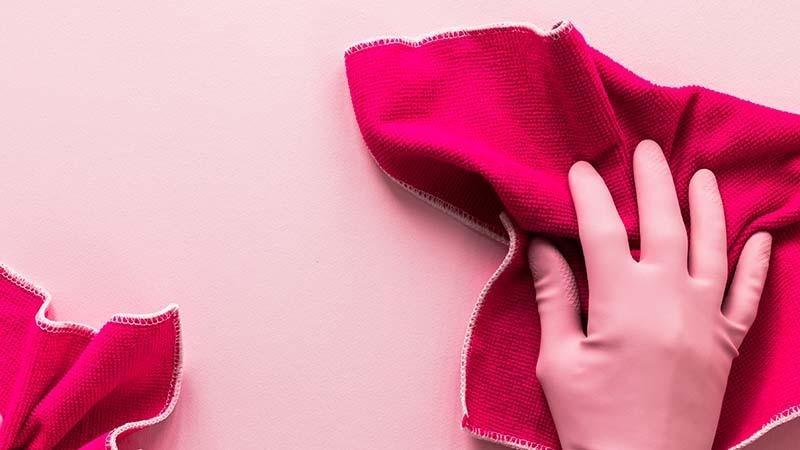
Even if you have a soft microfiber towel, the hard edges can cause scratches. The most common culprit here is overlocked edges. This type of edge stitching is designed to increase towel durability by sealing the edges.
Unfortunately, the overlocking threads are rougher than the soft microfiber towel fabric.
5. Dry Wiping with Pressure
Microfiber towels are designed for wet and dry wiping. However, it’s important to pay attention to the surface material. Dry wiping can cause abrasion and scratches on a delicate surface.
For most surfaces, dry wiping with a microfiber towel is a safe option. But for delicate surfaces, soap and water can act as a lubricant. This makes sure the microfiber doesn’t scratch, and you have an easy time cleaning.
6. Incorrectly Maintained Towels
Microfiber towels are notorious for their maintenance requirements. If you don’t wash microfiber towels properly, they will become rough and develop hard edges.
- High-heat drying can melt the delicate microfiber and turn it into scratch-causing points.
- High-concentration bleach also damages microfiber and causes color fading.
- Fabric softeners coat the microfiber in a waxy layer that reduces absorbency.
- Washing microfiber towels with dirty rags causes contamination. These contaminated towels trap dirt and grit, which causes scratching.
How To Identify Truly Scratch-Free Microfiber Towels?
Let’s move on to the main reason why you’re here. There are a handful of ways you can identify truly scratch-free microfiber towels.
Remember these seven points the next time you are out shopping for microfiber towels.
1. Choose a Soft Microfiber Blend
Always start with the microfiber blend. An 80/20 blend is the sweet spot between towel softness and durability. But for a truly scratch-free cleaning experience, we always recommend a 70/30 blend microfiber towel.
2. Higher GSM Isn’t Always the Best Option
High GSM microfiber towels are purpose-made for absorbency. But these towels are also larger, heavier, and more expensive.
For specific work applications like cleaning car side mirrors, vinyl tabletops, or brass door handles, a lower GSM towel is more useful. Its compact and thin design makes it easy to use. You can also spot any dirt particles stuck to the surface.
3. Common Towel Weave Options
There is no one perfect weave option for microfiber towels. Towel GSM, size, and weave are all related to one another. We recommend the following combination for scratch-free microfiber cleaning.
- Twisted Loop (Terry Weave) for larger towels with high 600-1200 GSM towel weight.
- Flat Weave for smaller towels with low 250-350 GSM towel weight.
- Coral Fleece Weave for medium-sized towels with 350-500 GSM towel weight.
4. The Ideal Microfiber Towel Size
Keep in mind that the perfect microfiber towel size is application-dependent. Using the wrong towel size for the job can result in scratches on surfaces with a delicate finish.
- 30×36 inches is a very large towel reserved for car drying applications.
- 16×28 inches is the perfect towel for everyday cleaning.
- 12×12 inches is ideal for cleaning around tight areas with one hand.
You must have more questions on the topic of towel sizes. Here is our complete guide on microfiber towel sizes.
5. Edge or Edgeless Microfiber Towels
Similar to other microfiber towel properties, edge stitching doesn’t exist in a vacuum. In our expert opinion, there are three scratch-free edge options for microfiber towels.
- Ultrasonic-Cut Edgeless Microfiber Towels.
- Thick Hemmed Microfiber Towels
- Microfiber Towel with a Satin Soft Piped Edge
Other microfiber edge stitching options aren’t bad. But their usage is different. Learn more about edgeless vs overlocked edge microfiber towels here.
6. Pick a Trustworthy Microfiber Towel Supplier
After carefully examining your use case, you can answer the above questions about microfiber blends, sizes, and GSM. But all of that becomes irrelevant if you don’t have a trustworthy towel supplier.
Pick a microfiber towel factory that is able to manufacture products according to your specifications. The manufacturer should also have quality control processes that ensure consistent towel quality.
7. Request Early Towel Samples & Test Manufacturer Claims
You can verify manufacturer claims by requesting early product samples.
- Look for signs of visual defects, color fading, and fiber damage.
- Read the product specifications and compare them to your internal measurements.
- Feel the surface texture. Is it up to your quality standards?
- Wash the sample microfiber towels to see if they retain their softness and color.
These things may seem simple, but they can save you a lot of hassle in the long run.
The Ideal Microfiber Towel for World-Class Cleaning Performance
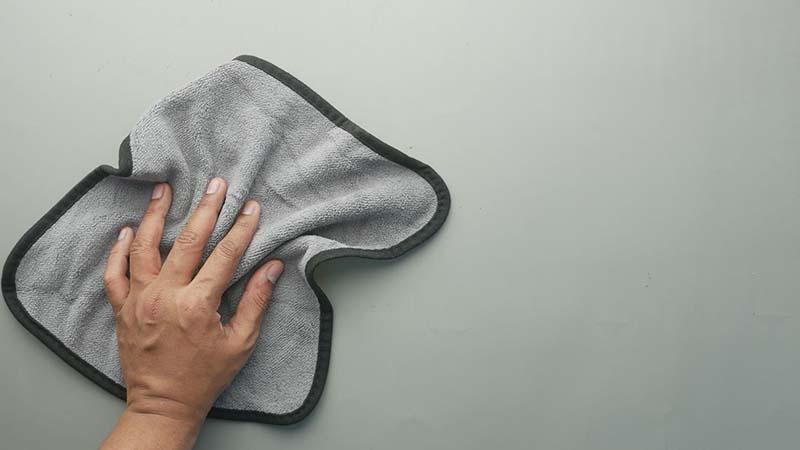
We have told you how to pick the right microfiber towel based on your cleaning needs. But what is the objectively best configuration of a microfiber towel?
Here is our pick for the ideal microfiber towel for any application.
Table 1 – Comparing the ideal microfiber towel configuration to a more balanced one.
| Microfiber Towel Properties | IDEAL Configuration | Balanced Configuration |
| Microfiber Blend | 70/30 | 80/20 |
| Towel Weight | 600-750 GSM | 400-500 GSM |
| Towel Weave | Low Pile Twisted Loop | Waffle Weave |
| Towel Size | 24×24 in. | 16×24 in. |
| Towel Edges | Ultrasonic Cut | Ultrasonic Cut |
| Labels & Tags | Removable Tags or Non-Etched Logos | |
How to Use Microfiber Towels Safely & Prevent Scratching?
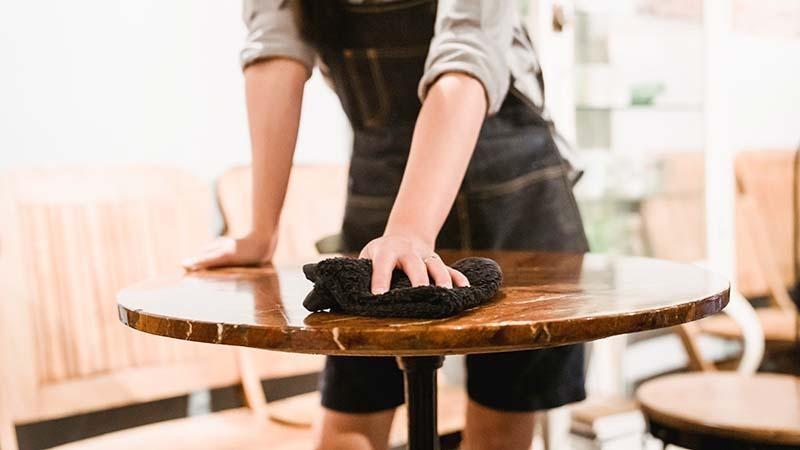
Here are some simple tips to help you get the most out of your microfiber towel.
- Always rinse your microfiber towels in clean water before using.
- Use separate towels for different cleaning areas.
- Apply gentle light pressure when dry or wet wiping.
- Avoid harsh cleaning chemicals.
- Wash microfiber towels after every use.
- Never wash microfiber with other cotton towels. It can clog the fibers and cause lint transfer.
- Completely air dry your towels before storage.
- The storage areas should be a moisture-free and dust-free zone.
- Replace your rough and old microfiber towels regularly.
Conclusion
Microfiber towels are ultra-soft cleaning tools that are designed to prevent scratching. But a poor-quality microfiber towel and an improperly maintained one will result in accidental scratches. Your best option is to choose a high-quality scratch-free microfiber towel based on your cleaning needs. Remember to properly wash and dry your microfiber towels for consistent performance and long lifespan.
Get Scratch-Free Microfiber Towels from Manywell!
Manywell is a microfiber towel expert. We specialize in soft, durable, and scratch-resistant microfiber cleaning supplies. Our catalog includes microfiber cleaning cloths, soft towels, scrubbing mitts, and flat mops.
We are an ISO 9001-certified business and are committed to quality products and customer service. You can also fully customize our microfiber towels and request early samples for testing and validation.