
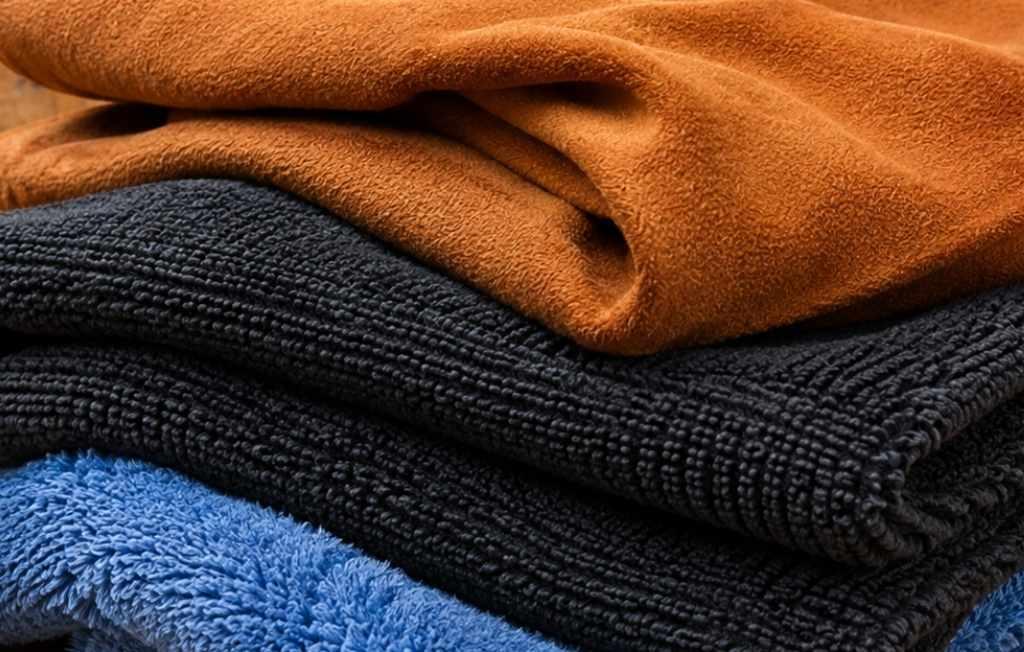
How a microfiber towel performs is dependent on many different factors. These factors ultimately impact how the surface cleans. Say, for glass cleaning, you would need a towel covering the maximum surface area while being gentle on the surface.
But for light dusting, you would want a microfiber drying towel that covers a minimum surface area. Microfiber towel weave types can tell you a lot about how a cloth behaves.
It predicts how dirt or dust gets picked up and which cleaning surfaces they are best for. Knowing this can ultimately help you choose the best microfiber cloth for your business.
Why Microfiber Weave Structure Matters?
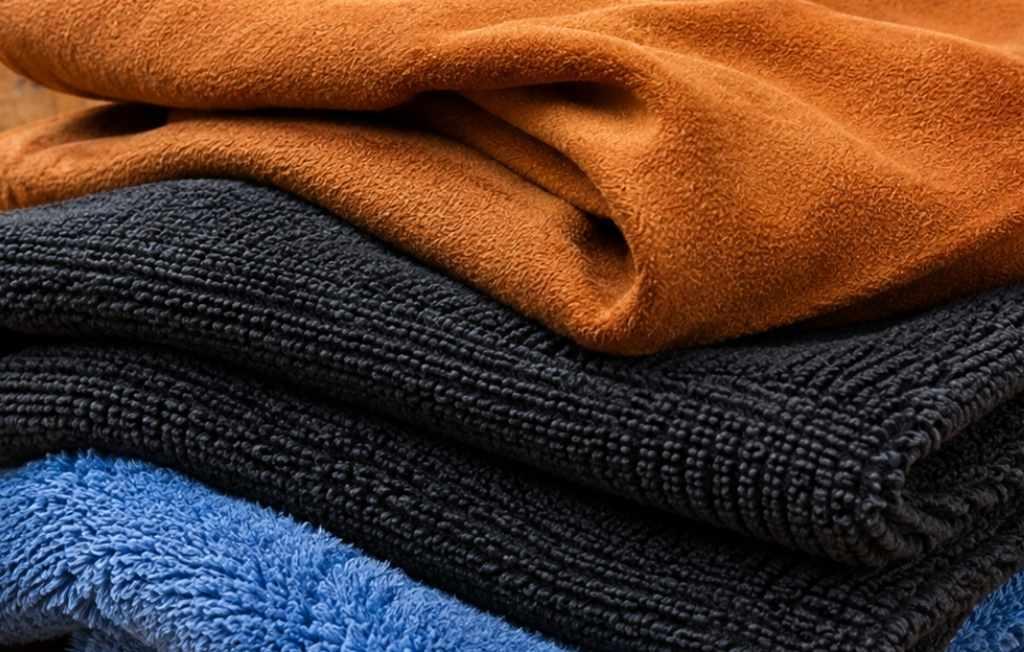
Many microfiber cloth distributors will ask you to choose between a weave type. It is up to you whether you want a tightly knit low-pile cloth or a plushy high-pile microfiber towel. This decision should be made considering the service you wish the towel to provide.
These are a couple of reasons why several businesses consider looking into weave structure before making a purchase:
Predicts performance: Medium pile can absorb liquid far better than a low pile cloth. Meanwhile, herringbone picks up lint quite impressively compared to others. Every weave has a specific purpose with its cleaning ability.
Protects the surface: A plush weave will keep your car spotless because it’s specifically designed with surfaces like car paint in mind. Meanwhile, waffle weave, if dragged across dirt, might scratch car paint.
Weaves are designed keeping in mind how the surfaces will tolerate the cloth.
Improves product lifespan: The weave also affects how well the towel handles repeated use and washing. A stronger weave can hold its shape better, resist fraying, and continue to perform well even after frequent use.
What is Microfiber Weave Structure?
Microfiber towels are made from ultra-fine synthetic fibers that are split into smaller strands during the microfiber towel manufacturing process. How those fibers are then woven together into a specific pattern, pile height, and density–that’s the weave structure.
The weave determines three critical things:
- · Surface texture: How the towel feels and looks
- · Absorption level: How much liquid it can hold
- · Cleaning behavior: Whether it picks up dirt, leaves streaks, or works best on specific surfaces
The 5 Main Microfiber Towel Weave Types
Weaves don’t just perform different, they look different too. This makes them very easy to spot. Here is the most common microfiber towel structure explained:
1. Twisted Loop Weave Microfiber Towel
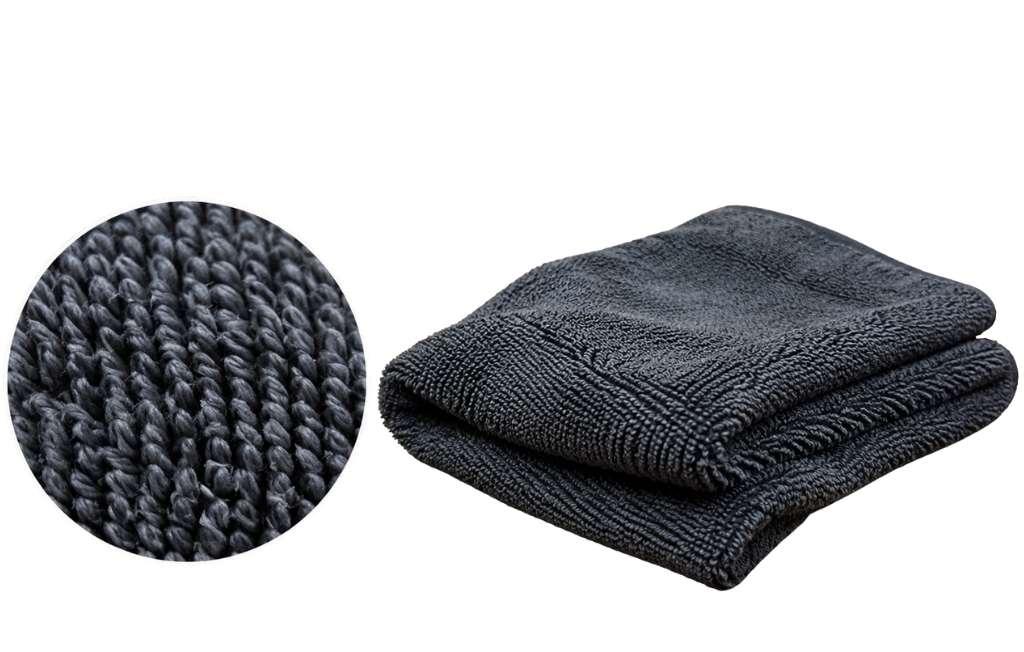
Fiber bundles that are twisted together in a double helix pattern are what make the weave “twisted loop microfiber towel”. This weave makes the fabric extremely absorbent and perfect for heavy-duty water absorption, outperforming other weave types like waffle weave.
The superior absorbency comes from its maximized surface area through the pile microfiber construction. It also creates next to no friction when you drag it across the surface, making it a fitting option for delicate surfaces.
Some microfiber drying towels are made using hybrid weaves. This normally compasses twist loop with other patterns.
Best for: Car drying, detailing tasks, polish removal, and delicate paint finishes. Ideal after ceramic coating applications.
Market position: Twisted loop microfiber towels command higher prices because they deliver genuine performance for automotive work.
2. Waffle Weave Microfiber Towel
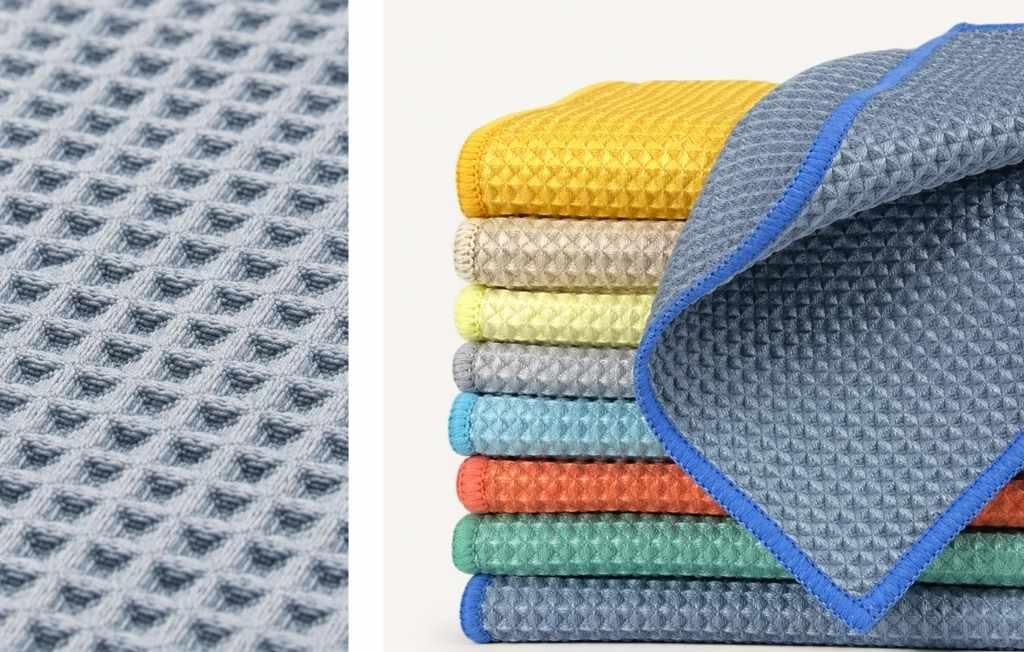
A Waffle weave cleaning cloth or waffle weave towels has a grid-like pattern resembling the pattern of a waffle (hence, the name). It doesn’t have a pile.
Because of its cross-hatched pattern, it dries fast and effortlessly picks up lint on smooth surfaces.
Best for: Glass cleaning, window cleaning, kitchen surfaces, and lint-free polishing. Excellent for door jambs and interior cleaning.
Market position: It’s especially popular in commercial spaces because it performs well at reasonable pricing.
3. Coral Fleece / Plush Weave Microfiber Towel
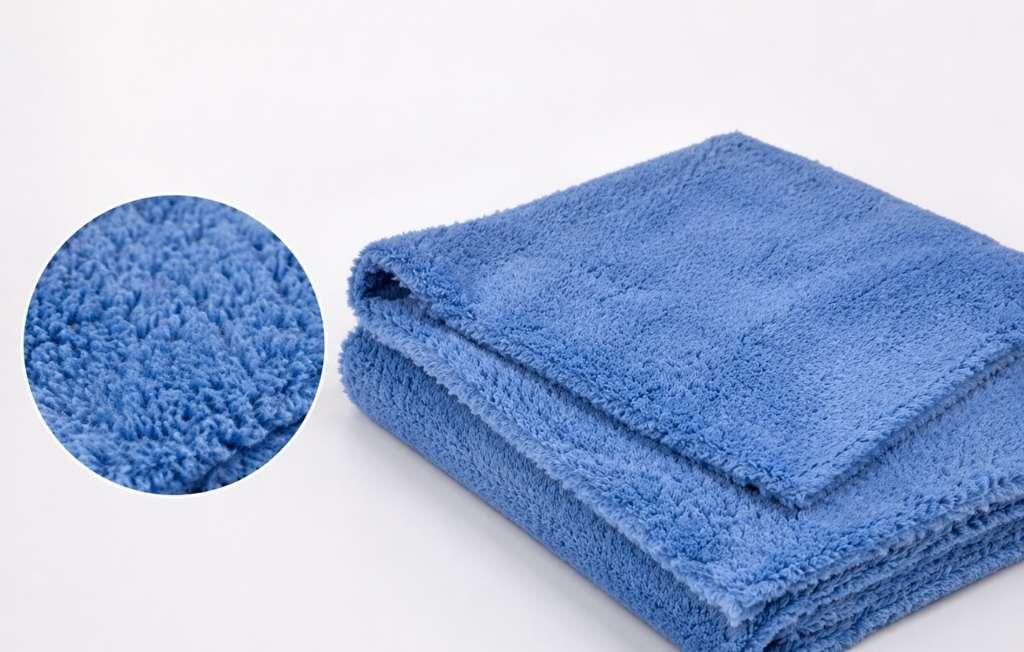
A plush weave feels plush because they’re high pile towels. It’s either one side of the material or both.
The pile between the material and the surfaces creates a buffer. This minimize surface area contact, reducing the pressure with which the material cleans the surface.
Best for: General dry interior cleaning, dusting, and everyday use.
Market position: Most general-purpose cleaning towels use this weave.
4. Suede / Flat Weave Microfiber Towel
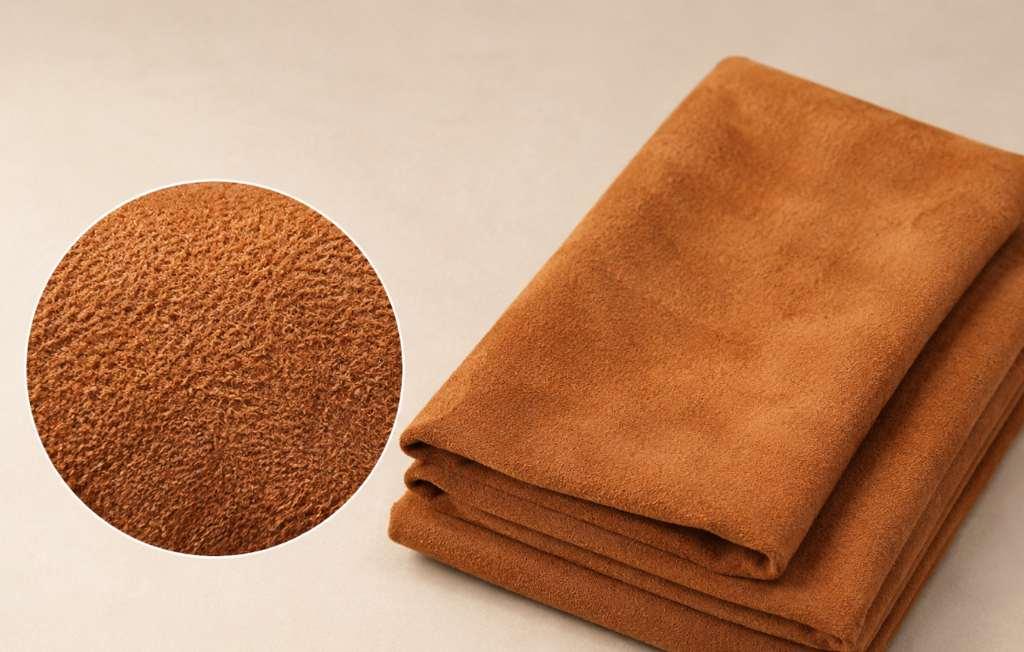
Suede cloth barely has any pile and feels and seems smooth and soft. The surface is entirely flat. And this makes it hard to pick up lint, so instead, it is used to wipe smudges or fingerprints most effectively.
They sometimes go by “glass towels”, indicating they are best used on glass.
Best for: Phone screens, camera lenses, eyeglasses, delicate electronics, and leather cleaning.
Market position: For precision cleaning and premium care products.
5. Terry Weave Microfiber Towel
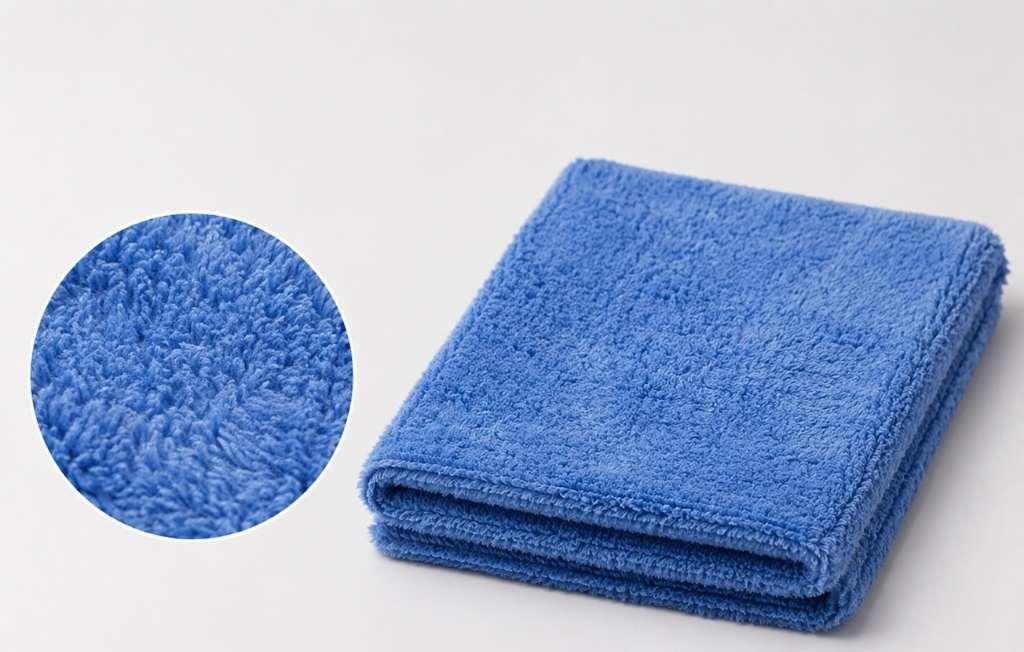
Terry weave is what many associate with traditional microfiber pile structure. It has a medium fiber pile on both sides with an equal nap size. This makes its use case quite extensive, ranging from picking up lint to wiping liquid from the surface.
Best for: General cleaning, hotels, and hospitality use.
Market position: Mass market workhorse of microfiber towels.
Quick Comparison: Which Weave Does What?
Here’s a rundown of the microfiber cloth types comparison of different weave structures.
| Microfiber Weave Type | Best For | Key Benefit | Limitation |
| Twisted Loop | Wet mops, floor cleaning, commercial use | Holds more liquid and picks up dirt well | Not ideal for polishing or glass |
| Waffle Weave | Glass, mirrors, drying towels, kitchen use | Absorbs quickly and reduces streaks | Can feel rough on delicate surfaces |
| Plush Weave | Car paint, buffing, delicate surfaces | Very soft and scratch-safe | Needs proper washing to remove trapped dirt |
| Suede Weave | Screens, lenses, glasses, coated surfaces | Smooth, low-lint finish | Low absorbency |
| Terry Weave | General cleaning, wiping, dusting | Balanced for everyday use | Less specialized than other weaves |
What Weave Should My Business Go For?
While choosing a weave type for your business, you don’t have to nail down a single weave type alone. Different microfiber towel types are made for different cleaning tasks, so businesses should choose the weave based on where the towel will perform.
Choose by Different Detailing Tasks
A towel for interior cleaning does not need the same weave as a car drying towel, glass towel, or wash mitt. For different detailing tasks, businesses will eventually need a very specific weave type.
Match the Weave to Car Paint
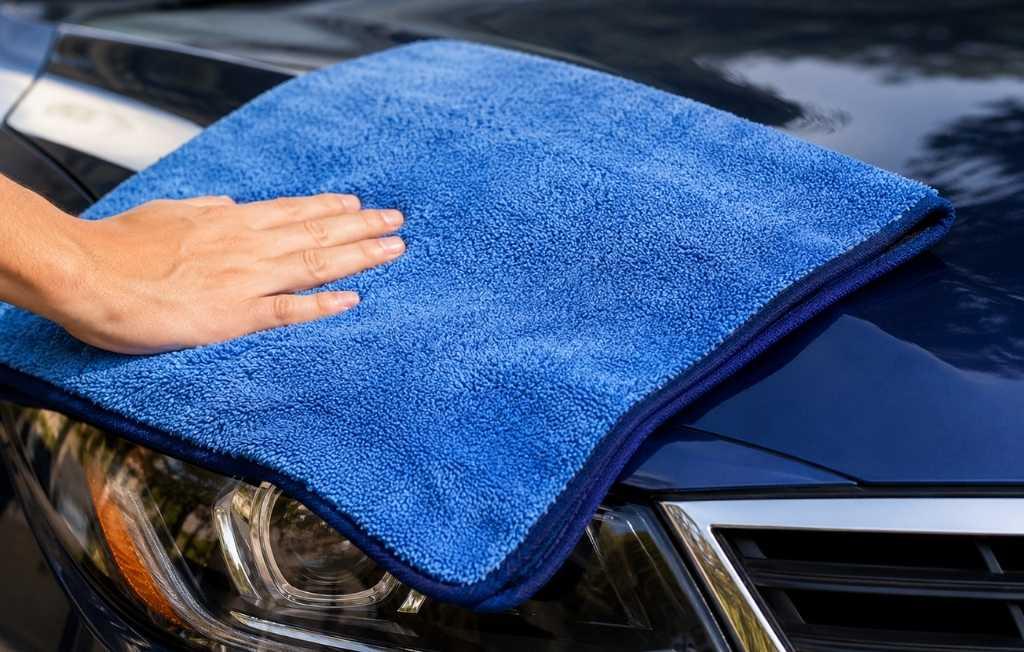
Car paint is delicate, and the wrong towel can leave scratches or swirl marks, especially if rubbed across dirt. For soft paint, plush microfiber towels, plush towels, or a high pile are best microfiber weave for car drying,
Pick High Pile Towels for Soft Surfaces
A high pile towel is usually better when a soft feel and surface safety matter most. The longer fibers help the towel glide more smoothly and reduce direct pressure on the surface.
Make sure you are choosing high-quality towels with the right material blend if you are targeting delicate surfaces. While the weave may be correct, the overall towel quality can still affect cleaning performance, surface safety, lint control, and durability.
Use Glass Towels for Streak and Smudge Control
If you’re targeting glass towels, your USP should be smudge-free cleanliness. A low pile towel or suede-style weave can deliver spotless cleaning with its flatter surface and is less likely to shed lint on mirrors, windows, or screens.
Choose Drying Towels for Car Wash Use
A microfiber drying towel, waffle weave towel, or twist loop towels can help pull water from the surface fast. A larger towel is often better for drying big panels because it can cover more area and hold more water, which makes the drying process faster.
Consider Ceramic Coatings and Sensitive Finishes

For ceramic coatings, soft paint, or cleaning delicate surfaces, twist pile microfiber tends to be an optimal option. Avoid rough edges, dirty towels, or low-quality fibers that can act like mini razor blades when dragged across the surface.
A soft plush weave or safe medium pile towel is usually a better fit for coated and polished finishes.
Check GSM, Grams per Square Meter
GSM, or grams per square meter, tells you how dense and heavy the towel is. A medium GSM grams per square is usually great for higher absorbency. Ideally, 350 GSM is optimal as it doesn’t just absorb liquid better but dries fast too.
Meanwhile, high GSM towels (900-1200) are considered premium for car drying towels, adding plushiness to the towel, while offering high absorbency.
Look at Towel Size and Product Use
Towel size should match the job. A small towel may be easier for tight areas, screens, or interior trim, while a larger towel works better for drying cars or covering bigger surfaces. Also consider whether the towel is being sold for general cleaning, detailing, drying, polishing, or mopping.
Check Two Pile Design
Some microfiber towels come with a two pile design, where one side is shorter and the other is thicker. The medium pile side can be used for wiping and cleaning, while the softer side can be used for buffing or final finishing.
Think About Washing and Care
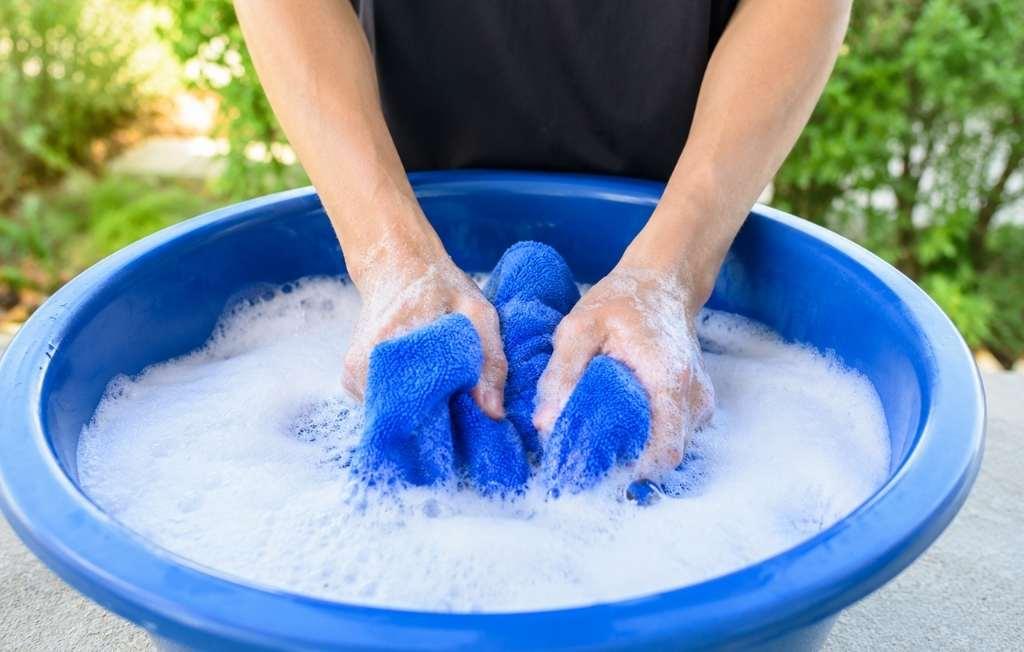
The most critical step, even before choosing a rag company for business is knowing how to care for the microfiber towel types. Microfiber towels should usually wash separately and avoid fabric softeners.
Preferably, wash microfiber cloth with a dedicated microfiber detergent and stay away from dryer sheets because these can coat the fibers and reduce performance. To protect towel quality, it is better to use a low heat setting or let the towels air dry.
Conclusion
Oftentimes, when choosing a microfiber cloth businesses hesitate and struggle to decide which one to go for. It is often recommended that you order a sample first.
Conduct your research, and once you decide what to buy for your business, don’t bulk buy right away. Test the samples thoroughly before making the final decision.
Choose Manywell to Build a Reliable Microfiber Towel Line
Manywell Manufacturing Company is not just any rag company. They excel at providing premium-quality microfiber cloth ranges. This means no matter the weave, GSM, or blend you order, you will get the best quality product. You can further decide whether you want to pursue ODM or OEM services.
With 18 years of experience in fabric production, Manywell strives to deliver premium cleaning for every purpose. You can also customize the cleaning towels to your liking.
For branding purposes, you can get customized logos on the towel plus on the package. You can get color-coded microfiber to prevent cross-contamination. You can also opt for edgeless designs to prevent scratching.
Contact us today to get a full quote on your interested products.